Spring in Spring, Texas brings warming weather, longer days, and the perfect opportunity to revitalize your home’s carpets. After months of winter foot traffic, pet activity, and indoor living, your carpets have absorbed dirt, dust, and allergens that regular vacuuming alone can’t touch. Whether you’re preparing for the spring season or simply tackling accumulated grime, understanding the right carpet cleaning methods and timing can make a real difference. This guide covers practical DIY techniques, professional options, and honest advice on when to call in the pros versus handling the job yourself.
Table of Contents
ToggleKey Takeaways
- Spring is the ideal time for carpet cleaning in Spring, TX because winter moisture, dust, and allergens accumulate in fibers and warm weather allows for faster drying with open windows.
- Hot water extraction is the most effective DIY and professional carpet cleaning method, but requires careful drying to prevent mold in humid Texas climates.
- Address pet stains and spring mud immediately by blotting and using baking soda or enzymatic cleaners, waiting until mud dries completely before vacuuming.
- Hire professional carpet cleaners in Spring, TX for heavy soiling, pet damage, high-end materials, or when you’re preparing to sell your home.
- Regular vacuuming of high-traffic areas, placing entry mats, and immediately treating spills prevent most carpet problems and reduce the need for deep cleaning.
- Schedule professional deep carpet cleaning annually or every 12–18 months as preventive maintenance to extend carpet life and maintain indoor air quality.
Why Spring Is the Ideal Time for Carpet Cleaning
Spring cleaning isn’t just a cultural tradition, it’s backed by practical logic. Winter traps moisture, dust, and pet dander in carpet fibers, creating conditions where mold and mildew can develop, especially in the humid Texas climate. As temperatures warm up, these contaminants become more active and noticeable.
Spring also brings seasonal allergens like pollen. If family members suffer from allergies, deep cleaning carpets before peak allergy season makes real sense. You’ll breathe easier, literally.
Timing your cleaning for spring also means you can open windows during and after cleaning, allowing your home to air out thoroughly. This accelerates drying time and reduces the musty smell that can linger if carpets stay damp too long. Finally, spring marks the start of higher foot traffic and outdoor activities, mud on boots, pollen tracked inside, and more wear and tear. A fresh cleaning now gives you a clean baseline to work from before the heavier months ahead.
DIY Carpet Cleaning Methods That Actually Work
You don’t always need a professional to restore your carpets. Several DIY methods can deliver solid results if you approach them correctly.
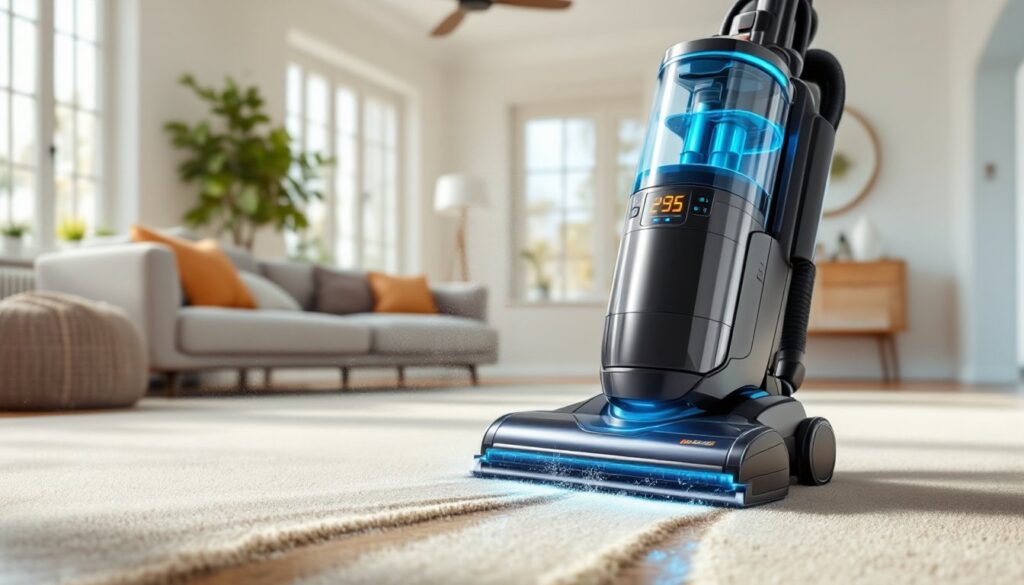
Vacuum thoroughly first. This isn’t optional. Remove loose dirt and debris with a high-quality upright or canister vacuum. Spend extra time on high-traffic areas. You can’t clean a dirty carpet effectively with just water.
Spot-treat stubborn stains using a mixture of 1 tablespoon liquid dish soap, 1 tablespoon white vinegar, and 2 cups warm water. Apply with a spray bottle, let sit for 5–10 minutes, then blot with a clean cloth. Repeat if needed, but don’t oversaturate, excess moisture invites mold.
For rental machines, you can pick up a wet vacuum or carpet shampooer from grocery stores, hardware stores, or equipment rental shops at modest daily rates. These machines inject hot water and cleaning solution into the carpet, then extract the dirty water back out. They’re effective for general cleaning, though they don’t match the heat and extraction power of industrial-grade equipment.
Dry carpet powder is another option: sprinkle it over the carpet, let it sit 15–30 minutes to absorb odors and light grime, then vacuum thoroughly. It’s low-mess and works well between deeper cleanings, but won’t handle heavy soiling.
Hot Water Extraction vs. Dry Cleaning Techniques
Hot water extraction (also called steam cleaning, though technically it doesn’t always use steam) is the most popular DIY and professional method. Hot water and cleaning solution are pumped into carpet fibers, then extracted with powerful suction. This lifts dirt, oils, and stains effectively. The downside: it takes 6–12 hours or more for carpets to fully dry, and oversaturation risks mildew. Follow the rental machine instructions carefully and never apply more water than the machine can extract.
Dry cleaning techniques like encapsulation or dry powder methods require little to no moisture. You apply a dry compound that encapsulates dirt particles, making them easier to vacuum out. These methods dry in 1–2 hours and are gentler on delicate fibers. The tradeoff: they’re better for light maintenance than heavy-duty cleaning.
For Spring, Texas’s warm, humid climate, be cautious with hot water extraction on carpets in poorly ventilated areas. If carpets take longer than 24 hours to dry, you risk mold growth. Run ceiling fans and open windows during warm daylight hours. If humidity spikes or drying stalls, consider calling in a professional with industrial-strength dehumidifiers and air movers.
Common Carpet Stains and How to Remove Them
Not all stains call for the same solution. The faster you act, the better your odds of removal. Never rub or scrub aggressively, always blot to avoid pushing the stain deeper into the fibers.
Grease and oil stains: Sprinkle baking soda or talcum powder on the stain, let it sit for 30 minutes to absorb the oil, then vacuum. If residue remains, apply the vinegar-and-soap solution listed above.
Wine, juice, or food stains: Mix 1 part white vinegar to 2 parts water, spray, let sit 5–10 minutes, then blot. Repeat as needed. For stubborn stains, add a drop of dish soap to the solution.
Coffee or tea: Same vinegar solution works. If the stain has set, you may need multiple applications over several days.
Ink or dye: Rubbing alcohol on a white cloth can lift some ink before it sets. Test on an inconspicuous area first, as alcohol can affect some carpet dyes.
Tackling Pet Stains and Spring Mud Marks
Pet accidents need immediate attention to prevent odor from setting. Blot up liquid thoroughly with paper towels or old towels. Sprinkle baking soda liberally over the spot and let it sit for several hours or overnight to absorb moisture and smell. Vacuum, then treat with the vinegar-soap solution. For stubborn or old stains, an enzymatic cleaner (specifically formulated to break down urine compounds) works better than general cleaners, enzymes digest the organic matter causing the smell, rather than just masking it.
Spring mud and dirt: This is seasonal in Texas. Let mud dry completely before vacuuming, dried mud vacuums out easily: wet mud smears and embeds. Once dry, vacuum thoroughly, then check for any remaining stain (usually just a light discoloration). A light mist of vinegar-soap solution and a quick blot finishes the job. For heavy mud traffic, consider placing washable rugs or mats in entry areas.
When to Hire Professional Carpet Cleaners in Spring, TX
DIY works for routine maintenance and light stains, but certain situations call for professional help. Professional cleaners bring industrial equipment with significantly higher heat, extraction power, and drying capacity than rental machines. They also carry specialized treatments for pet damage, allergens, and stain types.
You should hire a pro if:
- Your carpets show heavy soiling, odor, or widespread staining after DIY attempts.
- You have significant pet damage or suspect mold growth beneath the carpet.
- Carpets are high-end or delicate materials (wool, silk blends) that can be damaged by improper technique or heat.
- Your home has poor ventilation or humidity control, making fast drying critical.
- You’re preparing to sell your home and need professional results for showings.
- Local building codes or health concerns require professional-grade sanitization.
When vetting professionals in the Spring area, look for certifications like IICRC (Institute of Inspection, Cleaning and Restoration Certification), which indicates training and standards adherence. You can find top-rated carpet cleaners in Spring, TX through verified review platforms. Ask for quotes from at least two services, and don’t just pick the cheapest option, ask about their equipment, drying methods, and guarantees. Professional cleaning typically costs $2–5 per square foot depending on carpet condition and cleaning method, though prices vary by market and season.
Maintenance Tips to Keep Carpets Fresh Year-Round
The best carpet care starts with prevention. A clean carpet is easier to maintain than a neglected one.
Vacuum regularly: Traffic areas need weekly vacuuming: low-traffic rooms can go 2–3 weeks. Use slow, overlapping passes. A good vacuum removes 80% of dry soil, so this single step pays huge dividends. Invest in a quality machine with HEPA filtration if anyone has allergies.
Place mats at entries: Doormats outside and inside entry doors capture dirt before it reaches carpet. This one habit cuts tracked-in grime by 75%.
Address spills immediately: Blot, don’t wipe. Have a stain-removal kit handy (vinegar, dish soap, baking soda, white cloths, spray bottle) so you can treat spots before they set.
Rotate furniture periodically: Heavy furniture creates permanent compression marks. Move pieces quarterly to even out wear patterns and foot traffic.
Use area rugs strategically: Rugs in high-traffic hallways or under dining tables protect underlying carpet and are easier to clean or replace if damaged.
Control moisture: In Spring’s humid climate, use a dehumidifier in damp rooms and ensure bathroom exhaust fans vent outside. Carpet that stays damp longer than 24–48 hours risks mildew. Check under and around furniture occasionally, especially in corners.
Schedule professional deep cleaning annually or every 12–18 months, depending on household activity, pets, and foot traffic. Think of it like an oil change for your home, preventive maintenance costs less than waiting for a crisis.