If your regular vacuum isn’t cutting it anymore, a deep cleaning vacuum might be exactly what your home needs. These machines go beyond surface-level dirt removal, they’re engineered to extract embedded dust, allergens, and grime from carpets, upholstery, and hard floors that standard vacuums leave behind. Whether you’re dealing with pet hair, high-traffic zones, or just want a fresher living space, understanding how deep cleaning vacuums work and how to use them effectively can transform your cleaning routine. This guide covers everything from key features to maintenance, so you can make an informed choice and get professional-level results at home.
Table of Contents
ToggleKey Takeaways
- A deep cleaning vacuum uses dual-tank systems and powerful suction (12+ amps) to extract embedded dust, allergens, and moisture from carpets and upholstery that standard vacuums miss.
- Deep cleaning vacuums feature heated-air drying, motorized brush rolls, and suction exceeding 200 inches of water lift, which work together to clean and dry carpets 2–4 times faster than traditional methods.
- Pre-vacuum thoroughly before using a deep cleaning vacuum, move slowly at 1 foot per second, and avoid oversaturation to prevent water damage, mold, and extended drying times.
- Mid-range deep cleaning vacuum models ($400–$700) offer the best value and durability, with features like hot-water cleaning, adjustable brush height, and heated drying for professional results at home.
- Maintain your deep cleaning vacuum by emptying tanks after every use, rinsing filters monthly, cleaning the brush roll frequently, and decalcifying pipes in hard-water areas to ensure 8–10 years of reliable performance.
- Common mistakes to avoid include oversaturation, skipping pre-vacuuming, ignoring drying time, using wrong attachments for surfaces, and rushing fresh stain extraction—each can reduce cleaning effectiveness or damage your home.
What Makes A Deep Cleaning Vacuum Different
Key Features That Set Them Apart
A deep cleaning vacuum differs fundamentally from a standard upright or canister model in both power and design. Most deep cleaning vacuums use dual-tank systems, one for clean water (mixed with cleaning solution) and one for collecting dirty water extracted from surfaces. This allows them to actively scrub and lift dirt rather than just inhale surface debris.
The suction power is considerably stronger, often rated at 12+ amps (compared to 8-10 amps in regular vacuums), giving them the muscle to pull embedded dirt and moisture from deep within carpet fibers. Many models feature motorized brush rolls that agitate carpet while spraying cleaning solution, working similarly to a professional carpet cleaning rig but on a smaller, home-friendly scale.
Another hallmark is the heated drying function. Quality deep cleaning vacuums warm the air they blow, helping carpets dry faster, typically within 4-6 hours instead of 12-24 hours. Attachment versatility matters too: you’ll find specialized nozzles for stairs, upholstery, and hard floors, letting one machine handle multiple surfaces. The extraction width (usually 12-15 inches) covers more ground per pass than spot cleaners, saving you time on larger jobs.
When shopping, also look for adjustable brush height settings, which let you transition from low-pile to thick carpet without causing wear.
How Deep Cleaning Vacuums Work
The mechanics are straightforward but effective. You fill the clean water tank with hot water and cleaning solution, then plug in the machine and trigger the spray as you push it forward over the carpet. The pressurized solution shoots into the carpet fibers while the brush roll churns, breaking up dirt and loosening it from the base.
Immediately behind the brush, powerful suction, often exceeding 200 inches of water lift (a measurement of suction strength), pulls up the now-wet, dirty mixture into the soiled water tank. This extraction happens in one pass, which is why the machine works faster than traditional spot cleaners requiring multiple applications.
For hard floors and tile, you typically disable the brush roll and simply spray and extract, leaving surfaces clean without the agitation that can damage finishes. Upholstery attachments work similarly but on a smaller footprint, you hold them in place, spray, and let suction do the work.
The heated-air feature activates during the extraction phase on most models, warming moisture as it leaves the carpet. This promotes faster evaporation, reducing mold risk and getting your space back to normal faster. Think of it as combining a carpet cleaner, dehumidifier, and vacuum into one device.
Choosing The Right Deep Cleaning Vacuum For Your Home
Size and portability matter more than you’d think. Upright models offer the easiest handling for full-room cleaning, you can maneuver them like a regular vacuum. Compact or portable models suit smaller homes, apartments, or secondary cleaning on stairs and cars. Canister-style deep cleaners give you a handle on the actual cleaner unit with a separate tank, offering more control on delicate surfaces but requiring a bit more coordination.
Consider tank capacity. A gallon-sized clean water tank handles roughly 1,000-1,500 square feet before refilling, which is fine for most living rooms. Larger homes benefit from 2+ gallon tanks to avoid constant trips to the sink. The soiled water tank should match or exceed the clean tank size.
Brush roll type affects which carpets you can clean safely. Dual-brush designs ($300–$600 range) work on most carpet types. Single-brush models are lighter and cheaper but less aggressive. For high-pile or delicate rugs, softer bristles prevent damage. If you have mostly hard floors with a few carpeted areas, a convertible model with switchable brush rolls is smart.
Check water temperature capabilities. Cold-water-only models are cheaper but less effective on stains: hot-water models ($500+) deliver superior cleaning. Power output varies, higher wattage motors extract more water, which means faster drying. Battery-powered cordless options exist but tend to have shorter run times (30-40 minutes) and less suction. Corded models are still the standard for serious deep cleaning.
Brand reliability and warranty matter. Read reviews on sites like CNET to compare real-world performance and durability before committing. Don’t just chase the cheapest option: a mid-range model ($400–$700) typically outlasts a budget pick by years.
Deep Cleaning Techniques For Maximum Results
Before you start, vacuum the area thoroughly with a regular vacuum to remove loose dirt and pet hair. Deep cleaning vacuums work best on pre-cleaned surfaces, loose debris can clog the system or reduce suction efficiency.
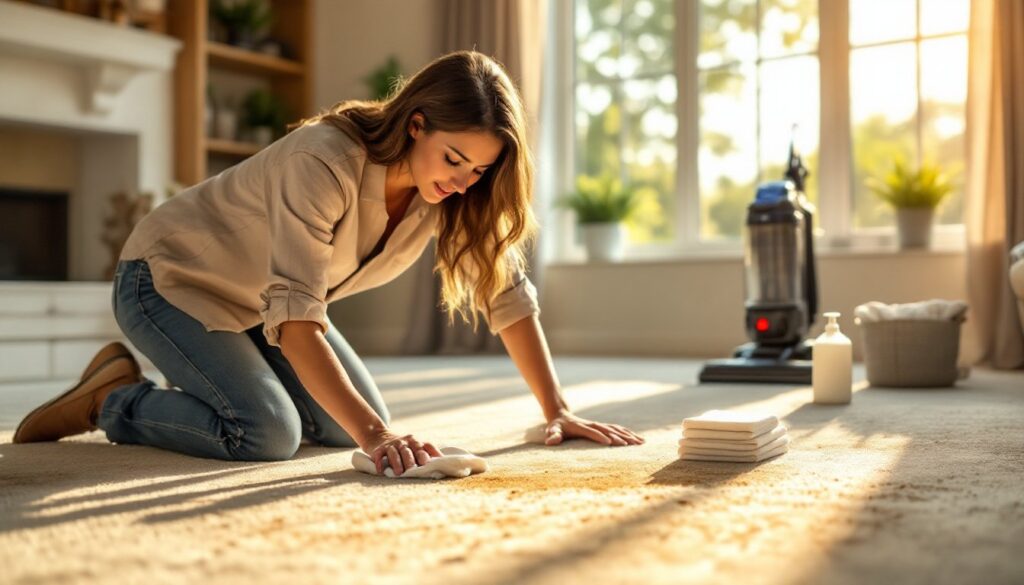
For carpets, start in a back corner of the room and work toward an exit. Move at a slow pace (roughly 1 foot per second) to give the solution time to penetrate and the suction to extract moisture. Make two passes on heavily soiled areas: one with solution spray active, then a second dry pass using only suction to pull remaining moisture. Don’t oversaturate, if carpet feels soggy after extraction, you’re using too much solution.
On stairs, switch to the upholstery attachment or stair-cleaning tool, spray a small section, let it sit for 10-15 seconds, then extract. Work downward: this prevents dirty water from running onto already-cleaned steps.
For upholstery, test the solution on a hidden area first (cushion seam, back edge). Use the attachment with light pressure, couches aren’t engineered for the same force as carpet. Multiple light passes beat one aggressive one. Allow at least 24 hours drying time before sitting on furniture.
Hard floor cleaning requires disabling the brush and often switching nozzles. Spray and immediately extract to avoid standing water. Tile grout responds well to a focused, trigger-based spray rather than the broad spray setting.
Let carpets dry completely before returning to normal foot traffic. Open windows, run ceiling fans, and crack doors between rooms to improve airflow. The step-by-step approach on Good Housekeeping outlines additional deep-cleaning practices if you want to extend results between major sessions.
Maintenance Tips To Keep Your Vacuum Running Strong
Empty both tanks after every use. Dirty water sitting in the soiled tank breeds bacteria and odor: clean water can grow algae and mineral deposits. Rinse tanks with fresh water and leave them open to air dry.
Inspect and rinse the filter monthly, or more often if you use the machine regularly. A clogged filter kills suction and strains the motor. Most filters are washable: use lukewarm water (not hot, which can damage pleats) and let them dry fully before reinstalling. Some machines have pre-filters that catch larger debris, rinse those separately.
Clean the brush roll frequently, especially if you have pets. Hair wraps around the bristles, reducing contact with carpet and dragging performance. A seam ripper or old toothbrush works to pull hair out: check between passes if you have shedding pets.
Decalcify the internal pipes monthly if you live in a hard-water area. Fill the clean tank with equal parts white vinegar and water, spray the solution through the nozzles into a sink or tub, then run plain water through to flush. Mineral buildup reduces spray pressure and suction.
Check hoses and connections for cracks or loose fittings. A small leak loses suction and wastes water. Most hose sections are replaceable and cost under $30.
Consult Today’s Homeowner for seasonal maintenance checklists that align with your home care schedule. Running your deep cleaner every 6-12 months (depending on use and foot traffic) will keep results consistent and extend machine life to 8-10 years.
Common Mistakes To Avoid When Deep Cleaning
The biggest mistake is oversaturation. Dumping too much solution into carpet causes water damage, mold growth, and extended drying times. Use the recommended water-to-solution ratio on your cleaning formula, and don’t hold the trigger down constantly, short bursts are more effective.
Skipping pre-vacuuming wastes time and machine efficiency. Loose debris clogs the extraction path, reducing suction and forcing you to make extra passes. Spend 10 minutes vacuuming first: it pays dividends.
Ignoring drying time risks musty odors and mildew. After deep cleaning, don’t seal the space. Open windows, run fans, and allow 6+ hours minimum before closing doors. In humid climates, use a dehumidifier.
Using the wrong attachment for the surface causes damage. The carpet brush on hardwood strips finishes: the bare-floor nozzle leaves residue on tile. Match the tool to the material and test first on inconspicuous areas.
Neglecting filter maintenance reduces performance dramatically. A dirty filter forces the motor to work harder, heating it and shortening its lifespan. Rinse or replace filters as recommended in your manual.
Finally, don’t deep clean fresh stains immediately. Let fresh spills sit for a few minutes so the cleaning solution can penetrate, then extract. Rushing creates a soapy residue that leaves marks as it dries.