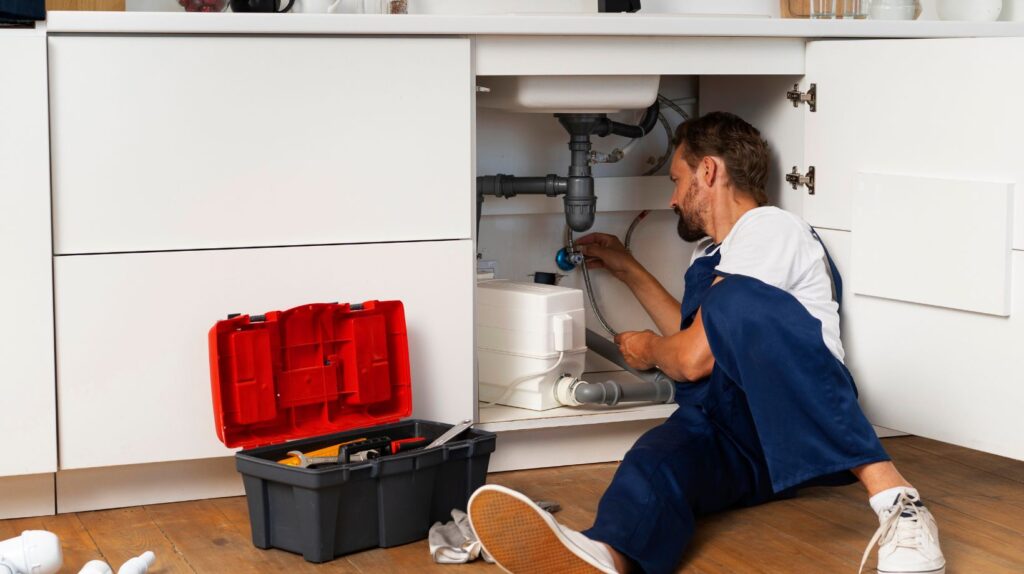
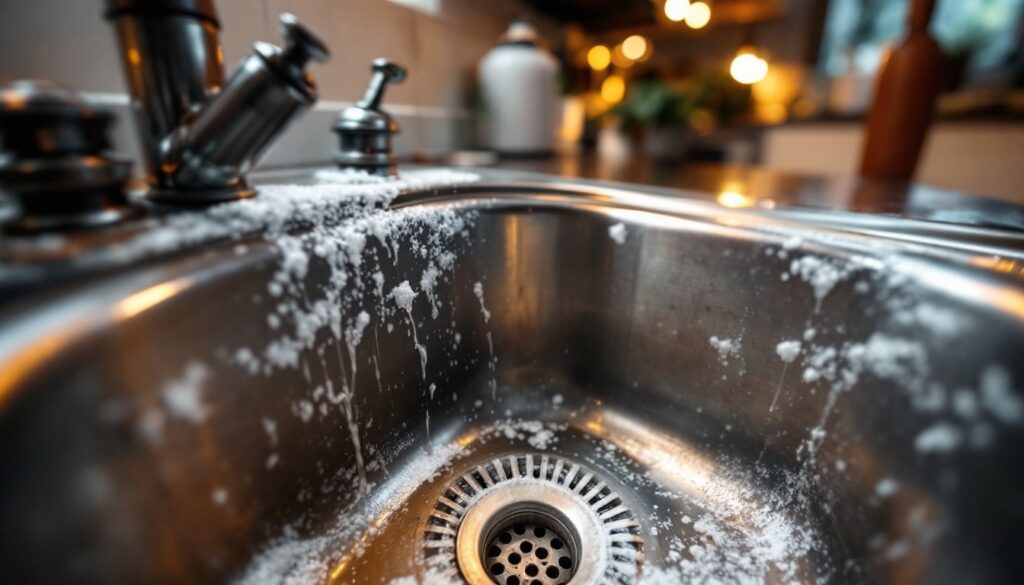
It’s midnight on a Sunday, and your kitchen sink won’t drain. Water’s pooling up, and that smell is getting worse by the minute. A backed-up drain doesn’t care about your schedule, it’s a genuine emergency that needs handling now, not Monday morning. That’s where 24-hour drain cleaning services come in. Whether you’re dealing with a stubborn clog from years of grease buildup, tree roots infiltrating your line, or a mysterious blockage that DIY plunging won’t budge, professional drain cleaning available round-the-clock can save you from water damage, sewage backup, and the headaches that follow. This guide walks you through when to call in the pros, what you can safely attempt yourself, and how to keep future drain disasters at bay.
Table of Contents
ToggleKey Takeaways
- 24-hour drain cleaning services prevent serious emergencies like water damage, sewage backups, and health hazards that can develop within hours when drains fail outside business hours.
- Common clog causes include grease buildup, hair accumulation, tree root intrusion, and flushed hygiene products—most develop gradually over months or years rather than overnight.
- Multiple warning signs like water backing up in several fixtures, sewage odors, gurgling sounds, and pooling yard water indicate deep blockages requiring professional help rather than DIY methods.
- Before calling a professional, try safe DIY approaches like plunging, drain snakes ($10–$30), or enzyme-based cleaners, but stop if one or two attempts fail to avoid pipe damage.
- Professional 24-hour drain cleaning typically involves camera inspection for diagnosis, motorized augers or water jetting (4,000+ psi) for removal, with costs ranging from $300–$600 plus 50–100% emergency surcharges.
- Preventing future drain problems through simple habits—never pouring grease, using drain strainers, avoiding flushing non-toilet-paper items, and scheduling annual maintenance—costs far less than emergency repairs and water damage restoration.
Why You Need 24-Hour Drain Cleaning Services
Drains fail on their own schedule, and it’s rarely convenient. A backed-up drain can turn into a nightmare fast, water damage to your home, sewage pushing back into fixtures, and potential health hazards if raw sewage enters your living spaces. Unlike a broken lamp or a cracked tile, a drain emergency affects your entire home’s ability to function.
The difference between a clog caught early and one that’s gone septic is often just a few hours. That’s why having access to 24-hour drain cleaning services matters. A professional plumber with the right equipment can diagnose and fix the problem quickly, preventing water from pooling in your yard, backing up into your foundation, or creating mold conditions in crawlspaces and walls.
Common Reasons for Emergency Drain Clogs
Most clogs don’t materialize overnight, they’re the result of months or years of buildup. Grease and cooking oil solidify as they cool, clinging to the inside of your pipes and trapping other debris. Hair and soap scum accumulate in bathroom drains, creating dense plugs that water can’t penetrate. Tree roots are a particular menace in older homes or properties with large trees nearby: roots seek moisture and can crack or puncture drain lines, creating serious backups.
Other culprits include flushed hygiene products and wipes (even those labeled “flushable”), food waste from inadequate garbage disposal use, and mineral deposits in hard-water areas. Once a clog forms, pressure builds, making the situation worse with each use.
Signs You Need Immediate Professional Help
Not every slow drain requires a plumber at 2 a.m., but certain warning signs mean you shouldn’t wait for business hours. If water is backing up into multiple fixtures, your tub and toilet both draining slowly, that’s a signal of a blockage further down the main line, not just a localized clog. Sewage odor coming from drains, toilets, or outdoors is a red flag that waste isn’t flowing properly and could back up into your home.
Listen for gurgling sounds from drains or toilets when other fixtures are running: this indicates air trapped by a blockage trying to escape. Pooling water in your yard or foundation, especially after heavy rain or a clog incident, suggests a broken or severely blocked sewer line. If you’ve already tried plunging and a drain snake didn’t work, DIY methods have likely reached their limit.
Bubbling or slow drainage in multiple drains at once also suggests a deeper problem. A professional can run a camera inspection, a flexible cable with a tiny camera on the end, to see exactly what’s blocking the line. This diagnostic step saves guesswork and prevents you from paying for unnecessary work.
DIY Drain Cleaning Methods to Try First
Before calling a 24-hour service, there are a few proven DIY methods worth attempting, provided the situation isn’t already a health hazard.
The plunger approach: Use a standard cup plunger (not a flange plunger meant for toilets) on sink drains. Fill the sink with a few inches of water to create a seal, block the overflow hole with a wet cloth, and plunge vigorously 15–20 times. The goal is to break the seal of the clog and force water through. This works best on fresh, localized clogs from hair or soap.
Drain snakes and augers: A hand-crank drain snake costs $10–$30 and can pull out hair clogs and debris. Feed it into the drain slowly, crank when you feel resistance, and pull back, often the clog comes with it. A motorized auger ($50–$100 to rent) handles tougher jobs. For stubborn clogs, a plumbing auger with a drum or handheld spinner can break through grease and mineral buildup.
Enzyme-based cleaners: Pour hot water down the drain, then add a commercial drain cleaner (choose enzyme-based over harsh chemical ones, which can damage old pipes and harm septic systems). Let it sit overnight. This works on mild grease and organic buildup but won’t touch solid obstructions.
If these don’t work after one or two tries, or if you suspect the clog is deep in the main line, stop and call a professional. Repeated DIY attempts can damage pipes, push the clog deeper, or mask a bigger problem.
What to Expect From Professional 24-Hour Drain Cleaning
A professional drain cleaning begins with diagnosis. The plumber will ask what drains are affected, whether backups occurred, and when the problem started. They may run a camera inspection through the drain using a flexible fiber-optic cable to pinpoint the clog’s exact location and cause. This step prevents guesswork and ensures the right tool is used.
For most clogs, professionals use a motorized drain auger or water jetting equipment. An auger is a long, rotating cable that can break through grease, roots, and debris: it works similarly to a handheld snake but with much more power. Water jetting shoots pressurized water (often 4,000+ psi) through the line, blasting away buildup and flushing debris downstream. Water jetting is gentler on pipes than aggressive mechanical cleaning and often leaves lines cleaner.
For tree root intrusions, the plumber may use a grinder attachment on the auger to cut roots, or recommend a more permanent solution like trenchless pipe repair or sewer line replacement. Complex issues might require excavation, which becomes a bigger job requiring permits and coordination.
After cleaning, the plumber typically runs water through the line and may perform a final camera inspection to confirm the blockage is cleared. A honest professional will also explain what caused the clog and suggest preventative measures. Some offer service agreements that include annual maintenance visits to catch problems early.
Cost Considerations and How to Save Money
Emergency plumbing costs vary widely based on your location, the severity of the clog, and the required equipment. A straightforward drain cleaning with a handheld snake might run $150–$300, while a camera inspection and motorized auger job could be $300–$600. Water jetting typically costs $200–$500. 24-hour emergency surcharges usually add 50–100% to standard rates, so a $250 job during business hours might cost $375–$500 after hours.
Before hiring, get estimates from multiple plumbers. Reputable platforms like Angi and HomeAdvisor let homeowners compare local contractors and read reviews. Don’t automatically choose the cheapest option, plumbers with experience diagnosing complex issues often save money by avoiding unnecessary work.
To reduce costs, try DIY methods first (but don’t damage pipes attempting them). Ask plumbers if they offer discounts for routine maintenance, many provide seasonal drain cleaning packages at a discount. If you’re in a newer subdivision, your municipality might have a sewer backup insurance option: check with your insurance agent. And remember that preventing problems through proper drain care is far cheaper than emergency cleaning and potential water damage repairs.
Preventing Future Drain Problems
The best drain cleaning is the one you never need. Smart habits prevent most common clogs. Never pour grease, cooking oil, or fat down the drain, let it cool, solidify, and dispose of it in the trash. This single practice eliminates the leading cause of residential clogs. Use drain strainers in sinks and showers to catch hair and food debris: empty them daily.
Fix dripping or slow-draining fixtures promptly, they often signal early blockages. Run hot water through drains weekly to keep grease and soap residue flowing. Avoid flushing anything besides human waste and toilet paper, even if the label says “flushable.” Install a sediment trap or cleanout plug in your main drain line if your home doesn’t have one, professionals can use this to access the line quickly if a clog forms.
For homes with known drain issues, consider annual or semi-annual professional drain maintenance. A plumber can run a camera inspection, catch developing problems before they become emergencies, and clean preventatively with water jetting or enzymatic treatments. According to resources like Family Handyman, regular maintenance costs a fraction of emergency repairs.
If you have an older home with clay or cast-iron sewer lines, be extra cautious, tree roots are more likely to penetrate these materials. Request a camera inspection if you haven’t had one in years. Understanding your drain system’s age and condition helps you plan and respond proactively instead of scrambling at midnight.