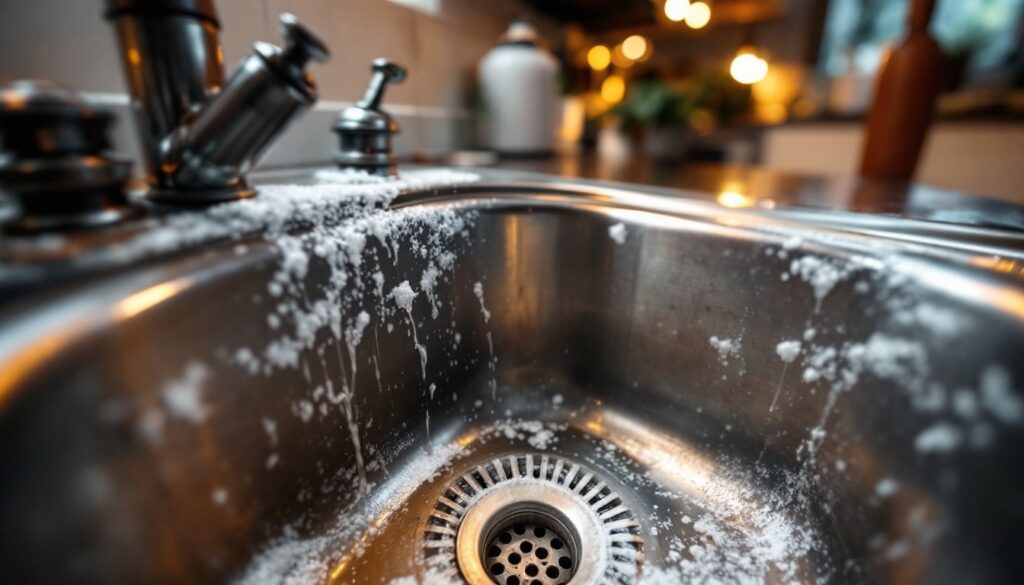
Your dishwasher works hard, so it deserves a little attention too. Over time, residue buildup, hard water deposits, and food particles accumulate inside the tub, spray arms, and filter, leaving your dishes looking dull and your machine working harder than it needs to. The good news? You don’t need expensive chemical cleaners. Cleaning a dishwasher with vinegar is a straightforward, budget-friendly solution that actually works. White vinegar cuts through grease, dissolves mineral deposits, and leaves your dishwasher sanitized without the harsh fumes. In this guide, you’ll learn exactly how to deep clean your dishwasher, tackle stubborn stains, and keep it running smoothly all year long.
Table of Contents
ToggleKey Takeaways
- White vinegar is an effective, budget-friendly, and non-toxic solution for cleaning a dishwasher without harsh chemicals, cutting through grease, mineral deposits, and soap scum.
- Remove and inspect your dishwasher’s filter regularly, as a clogged filter is the most common cause of reduced water pressure and unpleasant odors.
- Run your dishwasher on the hottest, longest cycle with 1 cup of white vinegar on the upper rack to dissolve mineral deposits and activate the vinegar’s cleaning power throughout the spray arms and interior.
- Unclog spray arm holes with a straightened paperclip or thin needle, and soak stubborn deposits in undiluted vinegar for 15–20 minutes to break down buildup before scrubbing.
- Monthly vinegar maintenance cycles prevent hard water stains and buildup from accumulating, saving you from heavy scrubbing and keeping your dishwasher running efficiently year-round.
- For tough stains, use a two-step approach combining a vinegar cycle with baking soda or apply a vinegar-baking soda paste directly to white deposits for extra cleaning power.
Why Vinegar Is the Best Natural Cleaning Solution for Dishwashers
White vinegar is acetic acid, typically around 5% concentration, which makes it surprisingly effective at breaking down mineral deposits, grease, and soap scum. Unlike harsh chemical cleaners, it’s food-safe, non-toxic, and already in your pantry. The acidity cuts through hard water stains (the white chalky buildup on glassware and the inside of your dishwasher tub) without scratching surfaces or leaving toxic residue.
Your dishwasher’s performance depends on clean spray arms, a clear filter, and smooth interior surfaces. When deposits build up, water pressure decreases, spray patterns become uneven, and dishes don’t get as clean. Vinegar dissolves these deposits without the environmental cost or skin irritation of commercial degreasers. Plus, the smell dissipates quickly once the cycle finishes. That sharp vinegar scent during the wash is just the acidity doing its job: it won’t linger on your dishes.
What You Need to Get Started
You won’t need much, in fact, you probably have everything at home already:
Materials:
• White vinegar (1–2 cups of 5% distilled white vinegar per cleaning)
• Soft-bristled brush or old toothbrush (for stubborn spots)
• Clean cloth or sponge
• Optional: baking soda (for extra scrubbing power on stains)
Safety & Prep:
• Make sure the dishwasher is empty before you start
• Wear kitchen gloves if you have sensitive skin: vinegar is safe but can dry out hands over time
• Ensure good ventilation, open a window if the vinegar smell bothers you
That’s truly all you need. No special equipment required. A soft brush helps remove debris from tight spots, but if you don’t have one, a folded cloth works fine. Baking soda is optional but useful if you encounter stubborn hard water stains that vinegar alone won’t budge.
Step-by-Step Guide to Cleaning Your Dishwasher with Vinegar
Step 1: Remove and Inspect the Filter
Locate your dishwasher’s filter, usually at the bottom of the tub, often in a cylindrical cage that twists out. Pull it straight up (consult your manual if you’re unsure). Rinse it under warm running water and use a soft brush to gently remove any visible debris, food particles, or buildup. This is the most important step: a clogged filter forces water to pool and creates odors. Most filters unscrew into two pieces: clean both the mesh and the outer cage.
Step 2: Wipe the Tub and Door Seals
Use a damp cloth to wipe the inside walls of the tub, the rubber door gasket, and the hinges. These areas trap moisture and grime. Pay extra attention to the door gasket, it’s a common source of mold and mildew because it stays damp between cycles. A quick wipe now prevents future problems.
Step 3: Run the Vinegar Cycle
Reinstate the filter. Place a dishwasher-safe container (a ceramic mug or small bowl works) filled with 1 cup of white vinegar on the upper rack. Run your dishwasher on the hottest, longest cycle available (usually “heavy” or “sanitize”). The heat activates the vinegar’s acidity and circulates it throughout the spray arms, jets, and interior surfaces. The vinegar will dissolve mineral deposits and break down grease buildup as it sprays.
Step 4: Deep Cleaning the Spray Arms and Filter
Once the cycle finishes, remove the filter again. Inspect the spray arms, these rotating tubes at the bottom and sometimes the top spray holes where water exits. You’ll likely see small perforations that can get clogged with mineral deposits. Using a straightened paperclip or thin needle, gently poke through each hole to clear any blockage. If deposits are stubborn, soak the spray arms in a bowl of undiluted white vinegar for 15–20 minutes, then use the brush to scrub away softened buildup.
If your dishwasher has a removable upper spray arm, twist it counterclockwise to detach it and repeat the same process.
Step 5: Run a Second (Optional) Cycle
For heavily soiled dishwashers or those with months of buildup, run another hot cycle with 1 cup of baking soda in a container on the lower rack. Baking soda is slightly abrasive and will scrub away remaining stains. Skip this step if your first vinegar cycle left things looking clean.
Step 6: Inspect and Reassemble
Check the tub for any remaining white deposits or discoloration. If you see stubborn stains, make a paste of white vinegar and baking soda (roughly 3 parts vinegar to 1 part soda), apply it to the spots, let it sit for 5 minutes, and scrub with a soft brush. Rinse thoroughly, reinstall the filter, and you’re done.
Deep Cleaning the Spray Arms and Filter
The spray arms are where your dishwasher’s power comes from, they rotate and distribute hot water under pressure to clean every corner of the tub. When holes clog with mineral deposits or food debris, water can’t spray properly, and dishes won’t get clean. That’s why this step matters.
After the main vinegar cycle, remove the filter and examine the spray arms closely. Hold them up to a light and look through each hole. You’re looking for white, chalky deposits (calcium) or dark specks (old food or mold). If you see buildup, a straightened paperclip or thin needle is your best tool, gently insert it into each hole and wiggle it to dislodge the blockage. Don’t force it: you don’t want to enlarge the holes or scratch the metal.
For stubborn mineral deposits, soak the spray arm in undiluted white vinegar for 15–20 minutes. The longer soak lets the acidity break down the deposits without scrubbing. After soaking, use a soft-bristled brush (an old toothbrush is perfect) to gently scrub each hole and the arms themselves. Rinse under running water and reinstall.
If your dishwasher has a top spray arm, it usually twists off counterclockwise. Treat it the same way. Some models also have a fine-mesh screen where the water enters the spray arm, if your manual mentions it, check and rinse that too. Many people skip the spray arms and then wonder why their dishwasher still isn’t working well. Don’t be that person.
Addressing Hard Water Stains and Buildup
Hard water is mineral-rich water that leaves white, chalky deposits on glassware, the dishwasher interior, and spray holes. If you live in an area with hard water (common in the Midwest and Southwest), you’ve probably seen this. The mineral deposits don’t affect safety, but they do make dishes look cloudy and reduce your dishwasher’s efficiency.
Vinegar tackles hard water stains because acetic acid dissolves calcium carbonate (the mineral responsible for the deposits). One cup of vinegar per cycle handles light buildup, but if you haven’t cleaned your dishwasher in six months or longer, the deposits may be thick.
For stubborn buildup, try this two-step approach: Run the standard vinegar cycle first, then follow with a second cycle using 1 cup of white vinegar plus 2 tablespoons of baking soda sprinkled directly on the bottom of the tub (not in a container, you want it loose for extra scrubbing action). The combination of acid and mild abrasive works better than vinegar alone on hardened deposits.
If white stains remain on the interior after two cycles, make a paste of baking soda and white vinegar (3 parts vinegar to 1 part baking soda), apply it directly to the stained areas, and let it sit for 5–10 minutes. The paste will fizz slightly, that’s the chemical reaction breaking down the deposits. Scrub gently with a soft cloth or brush, rinse thoroughly, and run a short rinse-only cycle to clear any residue.
One note: Hard water buildup is easier to prevent than remove. Running a monthly vinegar cleaning keeps deposits from accumulating and saves you from heavy scrubbing later. Homeowners with very hard water should check if their dishwasher has a water softener setting: consult your manual.
Maintenance Tips to Keep Your Dishwasher Fresh Between Cleanings
Deep cleaning every three to six months keeps your dishwasher running smoothly, but a few quick habits between cleanings make a real difference.
Rinse Dishes Before Loading: Food particles in the filter create odors and encourage mold growth. You don’t need a perfect rinse, just knock off loose debris. This one habit dramatically reduces buildup and keeps your dishwasher fresher longer.
Check the Filter Monthly: Pull it out once a month and rinse under running water. This takes 30 seconds and prevents clogs that slow drainage and trap food odors.
Leave the Door Ajar After Cycles: After the wash finishes, prop the door open for a few hours (if safe in your home) to let moisture evaporate. The rubber gasket especially benefits from air circulation, it stays fresher and resists mold. If you can’t leave it open, simply wipe the gasket dry with a clean cloth.
Run a Vinegar Rinse Monthly: Place 1 cup of white vinegar in a container on the upper rack and run a hot cycle once a month. This keeps mineral deposits from building up and maintains optimal spray arm performance. It’s preventive maintenance, much easier than heavy cleaning later.
Inspect the Spray Holes Occasionally: Once or twice a year, remove the spray arm and look for blockages. Poking holes clean takes two minutes and saves you from diminished cleaning power. This visual check catches problems early.
These steps fit naturally into your routine. None requires special products or much time. Homeowners who follow even three of these tips rarely face stubborn buildup problems. Many people on sites like The Kitchn and The Spruce swear by monthly vinegar maintenance as the secret to dishwashers that last longer and perform better. You might also explore DIY Cleaning: 10 Easy for other vinegar-based solutions around your home.
Conclusion
Cleaning a dishwasher with vinegar is straightforward, inexpensive, and effective, no special knowledge or tools required. The combination of a hot cycle, a little scrubbing on the spray arms, and optional baking soda handles everything from light buildup to stubborn hard water stains. Most homeowners see dramatic improvements after just one deep clean: dishes come out cleaner, water pressure feels stronger, and odors vanish. Follow up with monthly maintenance, and you’ll keep your dishwasher running like new without spending money on harsh chemicals or repair bills.