A slow drain is annoying. A completely clogged drain is worse, and it usually shows up at the worst possible time. Whether you’re dealing with a kitchen sink that won’t clear, a shower backing up, or an entire main line issue, drain cleaning in Durham doesn’t always require calling in a professional right away. Many homeowners find success with DIY methods for minor blockages, but knowing when to tackle it yourself versus when to bring in trained technicians makes all the difference. This guide walks you through both approaches, so you can handle your drain problems confidently and avoid costly mistakes.
Table of Contents
ToggleKey Takeaways
- Regular drain maintenance using simple methods like baking soda and vinegar can prevent minor clogs and save you from costly emergency service calls.
- DIY drain cleaning works well for slow drains and minor blockages, but professional drain cleaning in Durham is necessary for main line issues, recurring clogs, or sewage smells.
- A hand-crank drain snake ($15–$40) effectively handles most kitchen and bathroom clogs, but motorized equipment and camera inspections require licensed professionals.
- Prevent future clogs by using drain covers, avoiding grease and non-flushable items, and performing monthly hot water flushes plus quarterly baking soda and vinegar treatments.
- When hiring a professional, choose contractors who use camera inspection, provide written estimates, and are licensed and insured—not just those with the cheapest quote.
Why Regular Drain Maintenance Matters
Most drain problems don’t happen overnight. They build up slowly from hair, soap scum, food particles, and mineral deposits that accumulate inside your pipes. In Durham’s climate, where humidity and seasonal temperature swings are the norm, mineral buildup can accelerate, especially in older homes with hard water.
Regular maintenance stops small clogs before they become emergencies that disrupt your entire home. A drain that drains slowly today becomes a backed-up mess that affects multiple fixtures tomorrow. The cost of preventing a clog through simple maintenance, maybe $50 in supplies, beats an emergency service call or worse, damage to your home’s plumbing structure.
You don’t need to do much. Monthly or quarterly drain cleanings using simple methods keep lines flowing and give you peace of mind. Plus, you’ll catch problems early when they’re still manageable DIY territory.
DIY Drain Cleaning Methods That Actually Work
The Baking Soda and Vinegar Method
This is the gentlest option and works well for minor buildup and slow drains. It’s safe for old cast iron and PVC pipes alike, and you probably have both ingredients at home.
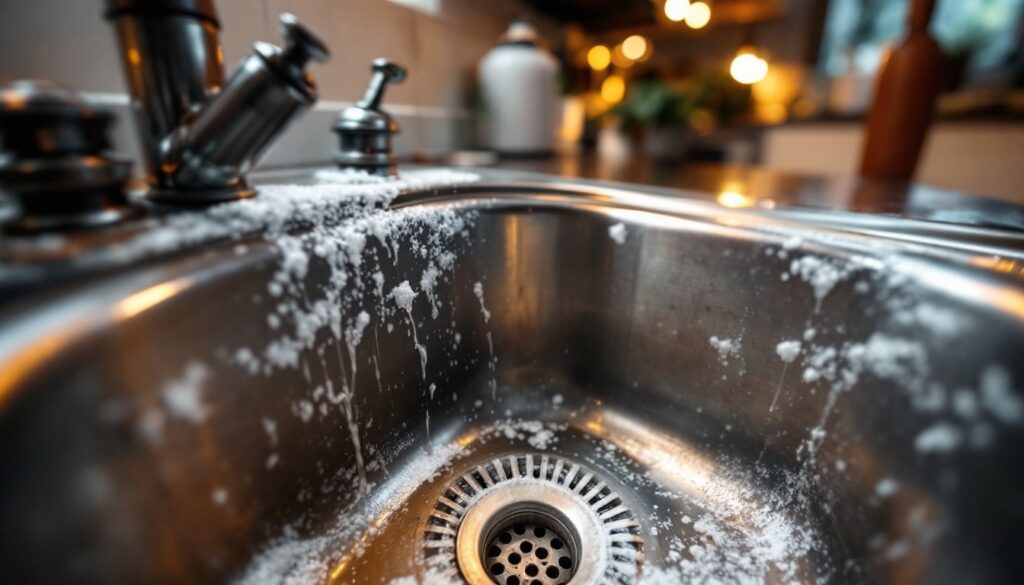
You’ll need baking soda (½ to 1 cup, depending on drain size), white vinegar (½ to 1 cup), and hot water. Remove any visible debris or hair from the drain opening. Pour baking soda directly into the drain, then follow it immediately with hot vinegar. The chemical reaction creates fizzing action that breaks apart light clogs and deodorizes at the same time. Cover the drain with a plug or wet cloth to keep the action inside the pipe, not spraying out. Let it sit for 15–30 minutes, then flush with boiling water.
This method works best as preventive maintenance or for slow drains. If water’s backing up completely, you’ll need something stronger.
Using a Plunger and Drain Snake
A standard cup plunger (not the rubber accordion one for toilets) can dislodge clogs in sinks and showers. Fill the sink or tub with a few inches of water to create a seal, position the plunger over the drain, and pump vigorously 15–20 times. The pressure difference helps break up blockages.
For tougher clogs, a hand-crank drain snake (also called a plumber’s auger) goes deeper. Feed the coiled wire into the drain slowly while turning the handle. When you hit resistance, that’s likely your clog, push and twist to break it apart or pull debris back out. Snakes cost $15–$40 for basic models and handle most kitchen and bathroom clogs.
For main line clogs or situations where your hand-crank snake keeps jamming, you’re looking at professional territory. A motorized snake or sewer camera inspection requires proper equipment and experience. Forcing the wrong tool can crack old clay pipes or push blockages deeper. If plunging and hand snaking don’t work after two or three attempts, calling a professional saves you from causing damage you’ll pay much more to repair.
When to Call a Professional Drain Cleaner
Stop the DIY efforts and call a professional if:
• Water backs up into multiple fixtures at once (kitchen sink, shower, and toilet all slow or draining backward). This signals a main line blockage that requires professional diagnosis.
• Drains are slow or clogged immediately after you bought the house or after recent work. Older Durham homes sometimes have clay or cast iron pipes with cracks, collapsed sections, or tree roots growing into them. A camera inspection shows exactly what you’re dealing with.
• You’ve tried plunging and snaking two or three times without success. Pushing harder risks damaging pipes or breaking your tool inside the line.
• You smell raw sewage near the home’s foundation or notice soggy patches in the yard. This points to a broken sewer line or major septic issue that needs licensed professionals.
• You hear gurgling sounds from drains or toilets when other fixtures drain. This is often a main line or vent stack problem.
Professionals have cameras that let them see inside your pipes without digging, motorized equipment rated for heavy blockages, and the knowledge to spot aging infrastructure before it fails completely. In Durham, where many homes date back decades, that assessment can save you thousands in preventive repairs.
Finding a Reliable Drain Cleaning Service in Durham
When you need professional help, start by vetting local options. Search for drain cleaning services with solid reviews from neighbors and other homeowners. Online directories like Angi’s list of top drain cleaners in Durham, NC gather customer ratings and real feedback, making it easier to compare your choices.
Ask potential contractors three key questions: Do they use camera inspection before quoting work? Will they provide a written estimate? Are they licensed and insured? A professional should want to diagnose the problem first, not guess over the phone. Pricing varies widely, a simple drain cleaning runs $150–$400 depending on blockage location and severity, while main line work and camera inspections cost more.
Durham-area contractors also know local building codes and any special considerations for your neighborhood’s soil and water conditions. Don’t just pick the cheapest quote. Professionals who stand behind their work with warranties and explanations tend to deliver better results. A cheapest drain cleaning service might seem attractive initially, but poor work often requires repeat visits.
Preventing Future Clogs and Backups
Once your drains are clear, keep them that way. Prevention costs almost nothing and saves major headaches.
For kitchen sinks: Use a strainer basket to catch food solids, and don’t pour grease down the drain, let it solidify and throw it in the trash. Run hot water for a few seconds after each use, and avoid dumping coffee grounds, eggshells, and potato peels directly into the disposal.
For bathrooms: Use drain covers or hair catchers in showers and tubs. Hair is the single biggest culprit in bathroom drain slowdowns. Clean the trap monthly by pulling visible hair out by hand.
For all drains: Once a month or every other month, run boiling water through your drains. This melts soap and grease buildup before it accumulates. Every three months, repeat the baking soda and vinegar flush. These five-minute tasks add years to your plumbing’s life.
Watch what goes down: Never flush anything except toilet paper and human waste. “Flushable” wipes, feminine products, and paper towels clog lines constantly. In the kitchen, be cautious with anything fibrous or starchy.
Resources like Family Handyman’s plumbing guides and HomeAdvisor’s repair tutorials offer more detailed preventive maintenance steps if you want to dive deeper. A little routine care prevents emergency calls and keeps your home’s plumbing running smoothly year-round.