A slow drain in your Oklahoma City home doesn’t always mean you need to call a plumber, at least not right away. Whether it’s the kitchen sink backing up or your shower draining like molasses, drain clogs are one of the most common issues homeowners face. The good news is that many minor blockages respond well to simple DIY methods you can tackle yourself. This guide walks you through identifying what’s clogging your pipes, trying proven fixes that work without chemicals, and knowing exactly when drain cleaning in Oklahoma City is best left to a professional. You’ll learn which tools and techniques are worth your time and which situations demand licensed expertise.
Table of Contents
ToggleKey Takeaways
- Drain cleaning in Oklahoma City often starts with DIY methods like baking soda and vinegar, which work safely on hair, grease, and minor blockages without damaging pipes.
- A drain snake is an affordable ($15–$40) and effective tool for removing clogs caused by hair, soap buildup, and small root intrusions in OKC homes.
- Professional drain cleaning services using hydro-jetting and camera inspection are necessary when multiple drains back up or DIY methods fail, with typical costs ranging from $150–$300 for standard clog clearing.
- Hard water mineral deposits are particularly common in Oklahoma City due to local water mineral content, and monthly enzyme-based or citric acid cleaners can prevent buildup before it becomes a serious clog.
- Preventing future drain problems means never pouring grease down the sink, using drain screens to catch hair and debris, and addressing slow drains immediately before they worsen.
- Avoid bleach-based drain cleaners as they corrode older pipes and can damage septic systems; enzyme-based alternatives are gentler and more effective for long-term pipe health.
Common Causes Of Drain Clogs In OKC Homes
Before you reach for a plunger, understand what’s actually blocking your pipes. Hair is the biggest culprit in bathrooms, it accumulates in traps and bends where water slows down. Kitchen drains suffer from grease buildup, especially in Oklahoma’s temperature swings, where grease solidifies as it cools. Hard water deposits are particularly common in OKC because of the mineral content in local water supplies: over time, these minerals cake onto pipe walls and reduce flow.
Foreign objects also cause problems. Kids’ toys, soap residue, and food scraps all get stuck in the P-trap (the U-shaped section under most sinks). Tree roots can penetrate older clay pipe systems, especially during Oklahoma’s rainy seasons when soil moisture peaks. Knowing the likely cause helps you choose the right fix. A hair clog responds to a drain snake, but a grease blockage needs heat and solvents. Mineral deposits require a different approach entirely.
DIY Drain Cleaning Methods That Work
The Baking Soda And Vinegar Approach
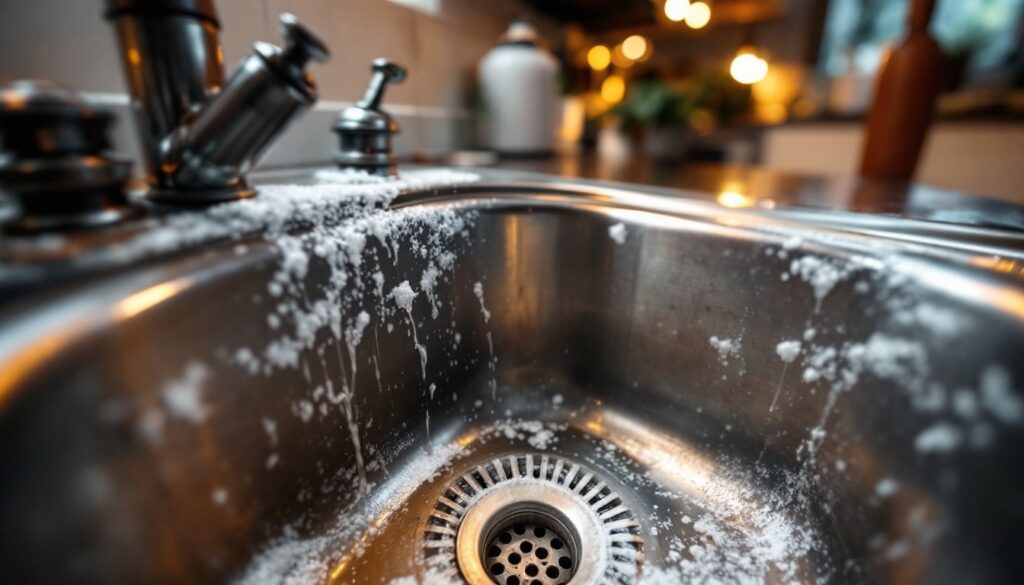
This is your first line of defense for slow drains and minor odors. Baking soda and white vinegar work through a chemical reaction that dislodges debris without harsh fumes or damage to older pipes. Start by removing any standing water with a cup or small bucket. Pour about ½ cup of baking soda directly down the drain, then follow it immediately with 1 cup of white vinegar. The mixture will fizz and bubble, that’s the reaction working on the clog.
Cover the drain opening with a wet cloth or plug to keep the reaction working downward rather than bubbling back up at you. Let it sit for 30 minutes to an hour, then flush with hot water (not boiling if you have PVC pipes, as extreme heat can soften them). This method works best on buildup clogs and grease, though it won’t clear dense blockages or solid objects. It’s safe for septic systems and won’t harm the environment either.
Using A Plunger Or Drain Snake
For more stubborn clogs, a manual drain snake (also called a plumbing auger or hand auger) is a homeowner’s best friend. These tools are inexpensive, typically $15 to $40 for a basic model, and remarkably effective. A drain snake is a long, flexible metal cable with a handle on one end and either a spiral hook or barbed tip on the other.
Insert the snake into the drain opening and feed it down slowly, turning the handle as you go. You’ll feel resistance when it hits the clog. Keep turning and pushing: the spiral or hook will either break apart the blockage or snag hair and debris so you can pull it back up. This works well for hair clogs, soap buildup, and even small root intrusions. For bathtub or shower drains, remove the overflow plate first to allow the snake full access.
A plunger is still valuable for sudden backups, especially in toilets. Use a flange plunger (with the rubber accordion-like extension on the bottom) for toilets and a standard cup plunger for sinks. Fill the sink or tub with a few inches of water to create a seal, then plunge vigorously 15 to 20 times. The suction and pressure can dislodge clogs that aren’t deeply seated. Avoid mixing bleach with other chemicals when using a plunger, never plunge a drain you’ve just treated with chemical cleaners, as the resulting splashback can burn your face and eyes.
Professional Drain Cleaning Solutions
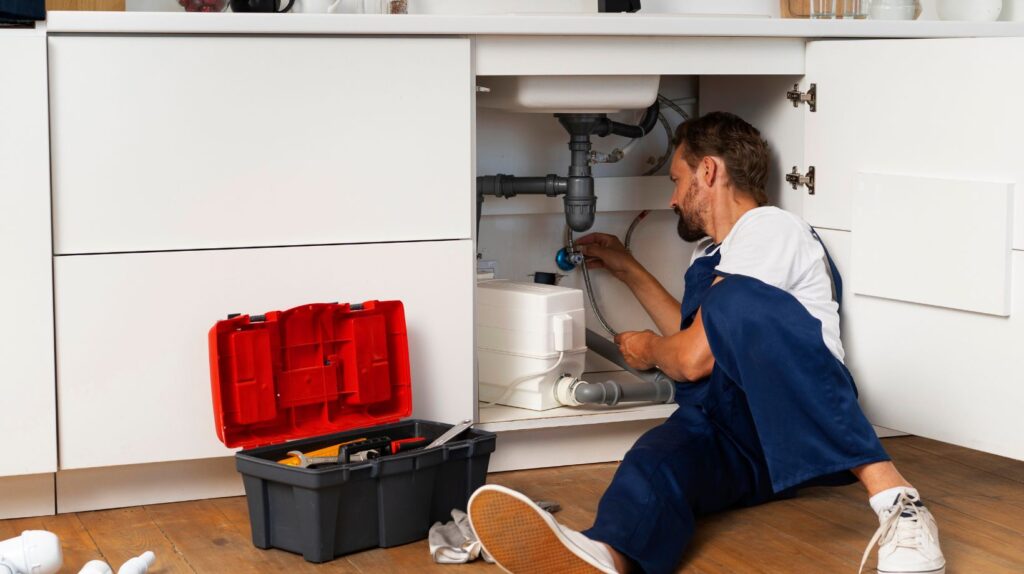
Sometimes a clog is beyond DIY reach. If your drain doesn’t improve after trying baking soda, vinegar, and a drain snake, or if multiple drains throughout your home are backing up simultaneously, you’re likely dealing with a sewer line issue or a blockage deeper in your system. Professional plumbers have tools and expertise that home tools can’t match.
Hydro-jetting is one of the most effective professional techniques. It uses a high-pressure water stream (up to 4,000 PSI) that scours the inside of pipes clean, removing mineral deposits, grease buildup, and even minor root intrusions. It’s safe for most modern plumbing systems but can damage older, fragile pipes, so a professional will inspect first. Video camera inspection lets plumbers see exactly what’s blocking your pipes and diagnose problems like cracks, collapses, or offset joints that might need repair, not just cleaning.
For Oklahoma City drain cleaning, you’ll find numerous licensed professionals available. Services like those listed on Angie’s List for Oklahoma City drain cleaners offer reviews and ratings. When calling around, ask whether they charge a flat rate or hourly, what their service warranty covers, and whether they offer emergency service. Many OKC plumbers charge between $150 and $300 for a standard clog clearing, though sewer line work can run higher. Consider the cheapest drain cleaning service option if budget is tight, but don’t sacrifice experience, a cheaper service that misdiagnoses the problem costs more in the long run.
Preventing Future Drain Problems In Your OKC Home
Once your drains are flowing freely, keep them that way with simple habits. Never pour grease down the sink, let it cool, solidify, and toss it in the trash instead. Use drain screens or strainers in every sink and shower to catch hair and debris before they reach the pipes. In Oklahoma’s hard-water climate, running a commercial drain cleaner designed for mineral deposits (like products containing citric acid) through your drains monthly can prevent buildup before it becomes a clog.
Bleach-based drain cleaners are tempting, but they’re corrosive and can damage older pipes or harm your septic system if you have one. If you choose chemical cleaners, use them sparingly and only on tough mineral deposits. Better yet, stick with enzyme-based drain cleaners, which use natural bacteria to break down organic matter and are gentler on pipes and the environment.
Keep tree roots in check if you have older clay sewer lines. Root barriers (buried copper or plastic strips) prevent roots from entering pipes, and regular sewer line inspections catch problems early. Family Handyman offers several plumbing maintenance guides that can help you understand your home’s system better. Finally, don’t ignore slow drains, a drain that takes 30 seconds longer to clear than usual is telling you that buildup is starting. A quick baking soda and vinegar treatment now prevents a major clog later.
Conclusion
Drain cleaning in Oklahoma City is manageable for homeowners when you start with the right DIY approach and recognize when professional help is necessary. Most minor clogs respond to baking soda, vinegar, or a drain snake. Regular maintenance, catching buildup early and protecting your pipes from grease and hair, saves you money and headaches. When a clog doesn’t budge or multiple drains back up, a licensed plumber with tools like hydro-jetters and camera inspections can solve the problem properly. Whether you’re tackling the clog yourself or calling in the pros, the key is acting quickly: slower drains don’t improve on their own and only worsen over time.