Slow drains are one of those problems that catch homeowners off guard. One day your sink drains fine: the next, water pools around your feet in the shower. If you live in Marietta, Georgia, you’re not alone, mineral deposits from hard water and seasonal debris make drain maintenance especially important here. The good news? Many drain cleaning issues don’t require a plumber’s invoice. With the right approach, basic tools, and honest assessment of when to call in a professional, you can keep your drains flowing freely and avoid costly emergency repairs down the road.
Table of Contents
ToggleKey Takeaways
- Drain cleaning in Marietta requires regular maintenance due to hard water mineral deposits and seasonal debris that accelerate clog formation and reduce water pressure.
- DIY drain cleaning methods like baking soda and vinegar solutions or hand snakes can effectively handle hair and soap buildup for $15–$50 without professional costs.
- Call a professional drain cleaning service when clogs affect multiple fixtures, water backs up into your home, or you suspect main-line damage in pre-1970 properties.
- Monthly preventive maintenance—including boiling water flushes, drain screens, and avoiding grease—significantly reduces emergency drain issues and extends pipe lifespan.
- Camera inspections every 3–5 years (costing $150–$300) catch tree root intrusion and scale buildup early, preventing costly excavation or sewer backups.
- A water softener investment in Marietta’s hard-water climate improves drain flow, reduces mineral buildup, and enhances overall water pressure throughout your home.
Why Regular Drain Maintenance Matters in Marietta Homes
Marietta’s water supply contains higher mineral content than some regions, which leads to scale buildup inside pipes over time. This isn’t just a cosmetic issue, it reduces water pressure, traps debris more easily, and creates conditions where clogs develop faster. Regular maintenance prevents the slow creep from “a bit slow” to “completely blocked.”
When you ignore early warning signs (gurgling sounds, slow drainage, or faint odors), you’re setting yourself up for a burst pipe or a backed-up sewage situation. The cost difference between a 20-minute drain snake session now and emergency excavation later is night and day. Beyond cost, maintained drains mean better water pressure throughout your home, fewer odors in bathrooms, and fewer instances where you’re plunging at midnight.
Marietta’s humidity and older home stock also mean tree roots occasionally find their way into underground drain lines, a problem that preventive care won’t solve but early detection can head off before it becomes catastrophic.
DIY Drain Cleaning Methods for Marietta Homeowners
Before you grab your wallet, try these proven methods. Many clogs are hair, soap scum, and grease, not structural problems, and respond well to household techniques.
Baking Soda and Vinegar Solutions
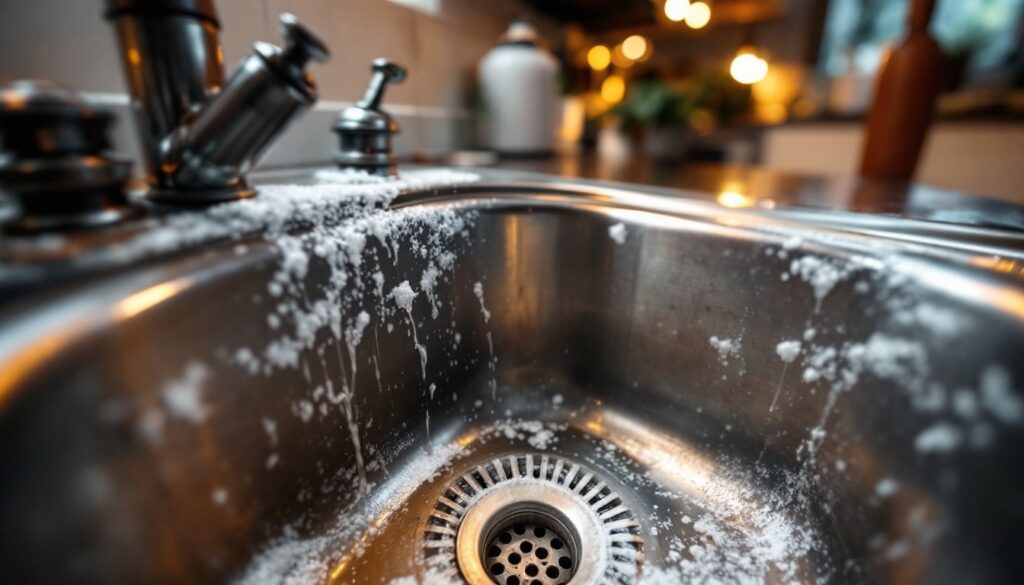
This isn’t a myth. Baking soda (sodium bicarbonate) and white vinegar create a mild fizzing reaction that breaks down soap buildup and dislodges loose debris. It won’t pulverize a solid blockage, but for slow drains and maintenance, it works.
Here’s the process: Remove visible hair from the drain opening. Pour ½ cup of baking soda directly down the drain, followed by ½ cup of white vinegar. The reaction starts immediately, let it sit for 15–30 minutes (cover the drain opening if you want to contain the fizz). Flush with hot water (not boiling, which can damage old pipes). This works best on bathroom sinks and tub drains where hair and soap are the culprits.
For stubborn slow drains, repeat once or twice weekly over a month. You’ll likely see gradual improvement.
Plumbing Snake and Drain Auger Techniques
A drain snake (or hand auger) is your next-level tool. These cost $15–$50 for a basic model and handle what baking soda can’t. A snake is a coiled metal cable with a handle or crank: you feed it down the drain until it hits the clog, then twist or crank to break it apart or retrieve hair.
Steps for using a hand snake:
- Remove the drain stopper and set it aside.
- Insert the snake’s tip into the drain and start cranking gently.
- Feed cable slowly, you’ll feel resistance when you hit the clog.
- Once contact is made, twist the handle or push/pull the cable to break apart the blockage or snag hair.
- Pull the snake back slowly and carefully: it may be messy.
- Run hot water for 30 seconds to flush debris.
If you rent frequently, a motorized drain auger ($100–$300) saves effort on tough clogs. These are overkill for routine maintenance but worthwhile if you’re dealing with recurring basement or kitchen sink backups. For Marietta homes with cast iron drains (common in older properties), be gentle, aggressive snaking can damage corrosion-weakened pipes.
Safety note: Wear work gloves and eye protection when snaking. Debris flies back, and rough cable edges catch skin easily.
When to Call a Professional Drain Service in Marietta
Not every clog is a DIY situation. Know when to stop and dial.
Call a professional if:
• The clog affects multiple fixtures (toilet, sink, shower all draining slowly). This signals a problem in the main line, not a branch pipe.
• Water is backing up into your home. Sewer backups are health hazards: don’t gamble.
• You’ve snaked twice with no improvement. Persistent issues often indicate a collapsed pipe, tree root intrusion, or hardened scale buildup that needs professional equipment like a motorized auger or hydro-jetting (high-pressure water cleaning).
• You hear sewer smells or see raw sewage. This requires immediate professional intervention.
• Your home was built before 1970 and you’re unsure of your pipe materials. Old clay or lead lines need skilled handling.
Marion residents have several options: local plumbers, municipal services, and national chains. Review top-rated drain cleaners in Marietta on Angi to compare pricing and read customer feedback. Ask for upfront cost estimates and ask whether they’ll use camera inspection first (this identifies the exact problem). A reputable service won’t charge you for an initial assessment.
If cost is your primary concern, cheapest drain cleaning service guides can help you understand typical market rates and which services offer the best value.
Preventing Future Drain Issues in Your Marietta Home
An ounce of prevention beats a pound of cure, especially with drains.
Monthly maintenance:
• Once a month, pour boiling water down your kitchen sink (slowly, over 10 seconds). This melts grease buildup before it solidifies.
• Use drain screens or hair catchers in shower and tub drains. They’re cheap and catch 90% of the trouble.
• Avoid pouring grease, coffee grounds, or large food scraps down the kitchen sink. These are clog superstars.
Quarterly deep clean:
Run the baking soda and vinegar treatment quarterly on all drains, even ones that flow fine. Think of it as preventive maintenance.
Know your water:
If you haven’t already, invest in a water softener or point-of-use filter for hard water. Marietta’s mineral content is manageable with modern softeners, and you’ll notice better water pressure and fewer scale issues over time. Resources like HomeAdvisor’s cost estimators can help you assess whether a softener pays for itself in your situation.
Landscape mindfully:
If you’re planting trees or shrubs, avoid placing them directly over drainage lines. Tree roots seek water and can infiltrate pipes over 10–20 years. Ask your municipality for a map of your property’s drainage route if you’re unsure.
Stay proactive with inspections:
Every 3–5 years, if you suspect any issues, hire a plumber to run a camera inspection of your main line. It costs $150–$300 but catches problems early. Guides on Family Handyman’s plumbing section walk through what to expect during these inspections.
Conclusion
Drain cleaning doesn’t have to be a mystery or an expensive emergency. Start with simple tools, baking soda, vinegar, and a basic snake, to handle routine clogs. Learn to recognize when a problem is beyond DIY scope, and don’t hesitate to call a licensed plumber for main-line issues, backups, or persistent blockages. In Marietta’s hard-water climate, consistent monthly and quarterly maintenance makes a real difference. Stay ahead of the curve, and your drains will stay clear and problem-free.