A slow drain is one of those problems that starts small, water pools around your feet in the shower, or the kitchen sink drains like molasses. If you live in Castle Rock, Colorado, you might be tempted to reach for whatever chemical drain cleaner is on the shelf. But before you do, there are better options. Many drain clogs in Castle Rock respond well to straightforward DIY methods, especially if caught early. This guide walks you through what actually works, when it’s worth your effort, and when calling in a professional drain cleaner saves both money and headaches.
Table of Contents
ToggleKey Takeaways
- Drain cleaning in Castle Rock works best when you start with simple DIY methods like plunging or baking soda and vinegar, especially for clogs caught early.
- Installing drain screens and flushing monthly with hot water prevents up to 80% of clogs before they start, saving time and money.
- Castle Rock’s hard water causes mineral deposits that narrow pipes; never pour grease down drains, and use salt-boiled water to dissolve mineral buildup.
- Professional drain cleaners with motorized augers and hydro-jetting can clear blockages 20–50 feet deep that DIY methods cannot reach.
- Multiple slow drains, sewage backups, or recurring clogs in the same location signal serious pipe issues requiring a licensed plumber and possible excavation.
Why Drain Clogs Happen and How to Prevent Them
Most drains clog from a combination of hair, soap buildup, grease, and mineral deposits, especially in Castle Rock, where water tends to be harder. Hard water leaves scale inside pipes that narrows the internal diameter, making clogs more likely over time.
Hair is the single biggest culprit in bathroom drains. A single shower sheds 50–100 strands: over weeks, that adds up to a mat of tangled hair trapping everything else. Kitchen drains usually fail because people send grease or food scraps down them. Once grease cools, it hardens on the pipe walls and catches debris like a net.
Prevention starts before the clog. Install drain screens (cheap wire baskets) in all sinks and tub drains to catch hair and food debris before it enters the pipe. In Castle Rock’s hard-water environment, flushing drains monthly with hot water or a mixture of baking soda and vinegar helps dissolve early mineral buildup. Never pour grease down the drain, let it cool in a cup and throw it away. These small habits save you hours of troubleshooting later.
DIY Drain Cleaning Methods That Actually Work
Before you call anyone, try these methods in order. Most clogs that are less than a year old respond well to the first two approaches.
The Plunger Method for Quick Fixes
A standard plunger (the cup-shaped kind, not a flange plunger) works surprisingly well on bathroom and kitchen sink clogs. It creates suction that can dislodge blockages sitting within the first few feet of pipe.
Fill the sink with a few inches of water so the plunger cup covers the drain opening completely. Push down and pull up rapidly 10–15 times in succession. The sudden change in pressure can break up soap buildup and shift accumulated hair. Empty the sink and try again if water drains slowly. If it drains fully, you’re done.
For toilet clogs, use a flange plunger (the kind with the rubber piece inside the cup), never a standard cup plunger. The flange creates a better seal in the curved toilet bowl.
Baking Soda and Vinegar Solutions
This method is gentler than commercial drain cleaners and often surprisingly effective. Remove any visible hair or debris from the drain first using needle-nose pliers or a drain snake, don’t skip this, as it makes the chemical reaction more productive.
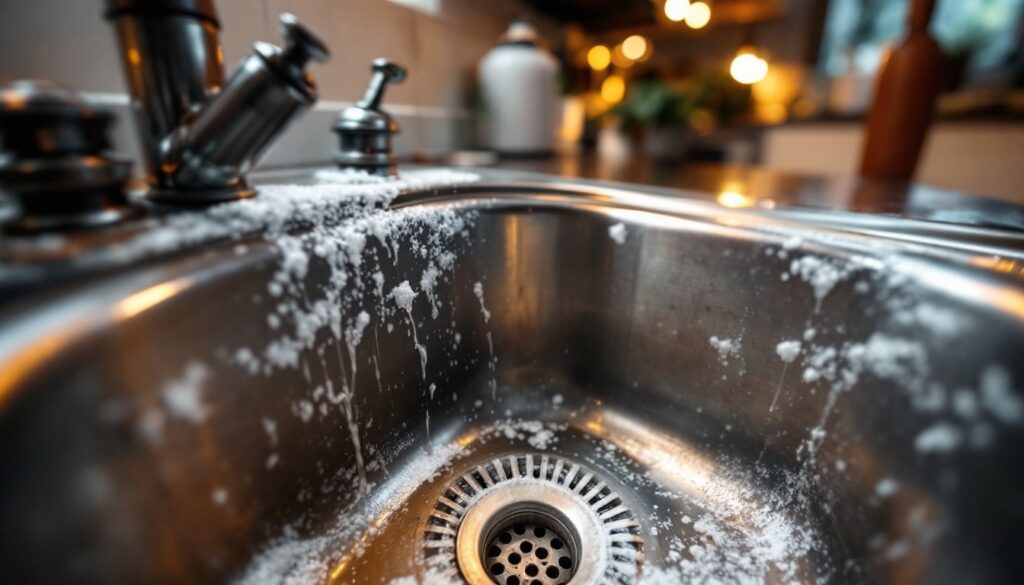
Pour one-half cup of baking soda directly into the drain, followed by one cup of white vinegar. The mixture will fizz and bubble: that’s the reaction doing the work. Cover the drain opening with a rag or plug to keep the mixture inside the pipe. Let it sit for 30 minutes, then flush the drain with boiling water. If the drain is still slow, repeat once more.
For tougher buildup in Castle Rock’s hard-water systems, you can also boil one gallon of water with one tablespoon of salt and pour it down the drain slowly before the baking soda step. The salt helps dissolve mineral deposits that are common here.
If neither of these methods works after two attempts, the clog is deeper than DIY reach, time to move to the next step.
When to Call a Professional Drain Cleaner in Castle Rock
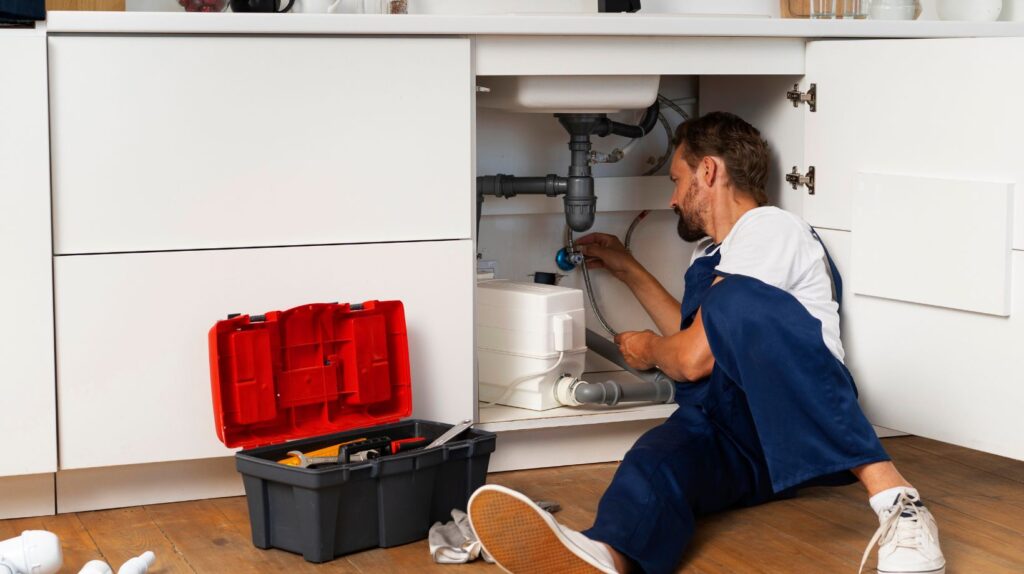
If your drain still runs slow after trying the plunger and baking soda, or if multiple drains in your home are backing up at once, you’ve got a deeper issue. Standing water in the tub or toilet overflow is also a sign: don’t ignore it or you’ll risk raw sewage backing up into your house.
Professional drain cleaners in Castle Rock use equipment that reaches deep, usually a motorized drain auger that can clear blockages 20–50 feet down the line, far beyond what a plunger or DIY snake can reach. Some use hydro-jetting, which blasts high-pressure water through the pipe to scour mineral buildup and break apart tree roots if they’ve invaded the line.
You’ll find that drain cleaning services in Castle Rock vary in price and quality. Before hiring, ask whether the company offers camera inspection (a small waterproof camera fed down the drain to show exactly where the clog is). This costs a bit more upfront but saves money if the real problem is structural rather than just buildup. Use platforms like HomeAdvisor to get cost estimates and read reviews from other Castle Rock homeowners. Angi and similar sites also let you compare drain cleaning companies based on local ratings.
If you’re dealing with a recurring clog in the same location, say, the main line backing up every six months, root intrusion or a collapsed section of pipe is likely. These require excavation and replacement, which absolutely demands a licensed plumber. Some signs of serious pipe issues include multiple drains running slow simultaneously, raw sewage smell in the yard, or sinkholes near your foundation. Don’t try to diagnose this yourself.
For Castle Rock residents specifically, check whether your municipality requires permits for drain cleaning work, especially if it involves the main sewer line. Family Handyman has tutorials on basic plumbing principles and when professional help is needed, though your local building department is the final authority.
You might also consider the cheapest drain cleaning service option if cost is the priority, but weigh that against reputation and warranty. A $50 bargain service that doesn’t actually clear the clog wastes money.
Conclusion
Most drain clogs in Castle Rock respond to basic DIY methods, a plunger or baking soda and vinegar, if you catch them early and stick with prevention. Installing drain screens and flushing monthly with hot water heads off 80% of problems before they start. When DIY stops working, professional drain cleaning is affordable and often saves you from costly water damage or repeat emergencies. The key is acting fast: a slow drain today becomes a backed-up line tomorrow.