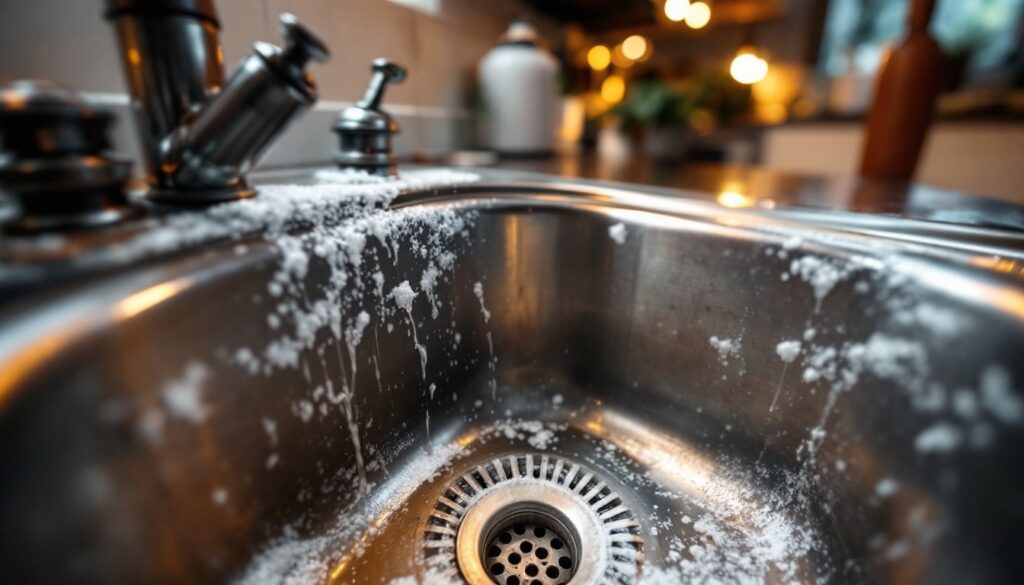
A slow drain in your Denton home might seem like a minor inconvenience at first, but it’s often a warning sign of something brewing beneath the surface. Tree roots seeking moisture, mineral deposits from hard water, and accumulated hair and grease can transform a small flow problem into a full-scale backup that damages your foundation or floods your yard. Professional drain cleaning in Denton, TX addresses these issues before they become expensive emergencies. Whether you’re dealing with a single sluggish sink or recurring clogs throughout your home, understanding when to tackle it yourself and when to call a professional can save you both time and money.
Table of Contents
ToggleKey Takeaways
- Professional drain cleaning in Denton, TX is essential because the region’s clay-heavy soil, mature tree roots, and hard water mineral deposits create unique plumbing challenges that DIY methods cannot resolve.
- Call a professional immediately for main sewer line backups, multiple clogged drains, recurring clogs, or sewage odors, as these symptoms indicate systemic problems requiring camera inspection and proper diagnosis.
- Professional hydrojetting and camera inspection can identify structural issues, root invasions, and mineral buildup while safely preserving older cast-iron or clay pipes that aggressive DIY tools might damage.
- Maintain clean drains between professional services by using drain screens, avoiding pouring grease down drains, running monthly boiling water treatments, and performing annual professional inspections in older homes.
- Warning signs that your home needs drain cleaning include slow draining, water backing up during toilet flushes, persistent sewage odors, soggy yards during dry weather, and foundation cracks related to subsurface pipe failure.
Why Professional Drain Cleaning Matters in Denton
Denton’s clay-heavy soil and older neighborhood infrastructure create unique drainage challenges that homeowners in newer developments might never face. Tree roots naturally migrate toward water sources, and they’re relentless, a tiny crack in a clay pipe becomes a root invasion highway within months. Also, hard water is common throughout North Texas, leaving mineral deposits that narrow pipe diameter and slow drainage significantly.
Professional drain cleaning isn’t just about removing what’s there now: it’s preventive medicine for your plumbing system. A licensed technician can identify structural issues, assess water pressure, and recommend solutions tailored to Denton’s specific conditions. They’ll also document the condition of your pipes, which is valuable information if you’re planning to sell your home or file an insurance claim. Regular professional cleaning extends the life of your drainage system and catches problems before they require expensive excavation or foundation repair.
Common Drain Problems Denton Homeowners Face
Tree Roots and Mineral Buildup
Denton’s mature oak, elm, and pecan trees are beautiful but thirsty. Root systems follow the scent of water and can penetrate clay and cast-iron pipes with surprising force. Once inside, roots form a dense mat that traps debris, creating a stubborn blockage that a plunger or store-bought drain snake won’t clear. Mineral buildup from hard water compounds the problem by reducing available pipe diameter. Over time, the combination of roots and mineral deposits can partially or completely block your main sewer line, causing sewage to back up into your home.
Professional hydrojetting, high-pressure water jets that scour pipe walls, is highly effective for root removal and mineral scale. But, it’s not appropriate for all pipe materials. Older cast-iron or clay pipes may require gentler methods or pipe relining rather than aggressive cleaning. This is why a professional inspection with a camera scope is crucial before deciding on the cleaning method.
Hair, Grease, and Debris Clogs
This is the everyday clog that homeowners often try to fix themselves first. Kitchen drains accumulate grease buildup (especially during cooler months when grease solidifies), while bathroom drains trap hair, soap residue, and toothpaste. A standard plunger or basic drain snake might temporarily clear the clog, but it rarely removes all the buildup. The blockage often reforms within days or weeks because the underlying film remains.
Professional cleaning removes the entire blockage and the biofilm that promotes regrowth. Technicians use motorized augers, hydrojetting, or enzyme-based solutions depending on the severity and location of the clog. For recurring kitchen drain clogs, a professional can also recommend grease traps or strainers to prevent future problems.
DIY vs. Professional Drain Cleaning: When to Call the Experts
Not every slow drain requires a professional, but knowing when you’re in over your head saves frustration and potential damage. A simple sink clog caused by recent hair or debris, the kind that happens overnight, is fair game for a plunger or a basic drain snake from the hardware store. Many homeowners successfully clear these with minimal effort and a 15-minute investment. If the problem is isolated to one bathroom sink and hasn’t recurred, DIY is reasonable.
But, call a professional immediately if you’re dealing with a main sewer line backup, multiple drains clogging simultaneously, recurring clogs even though your efforts, sewage odors, or slow drainage throughout the home. These symptoms indicate a systemic problem that DIY tools won’t solve. Main line issues often require a camera inspection to diagnose correctly, and the wrong approach can damage your pipes further. Also, if your home has very old cast-iron or clay piping, aggressive DIY methods like a motorized auger can cause collapses or cracks. Professional technicians understand which tools and techniques are safe for your specific pipe material and can identify the cheapest drain cleaning service options for your situation.
Signs Your Denton Home Needs Drain Cleaning Now
Slow draining is the most obvious sign, but there are others that indicate it’s time to schedule professional cleaning. If water backs up into your tub or shower when you flush the toilet, your main sewer line is partially blocked. Gurgling sounds from drains, even when they’re not in use, suggest trapped air caused by a blockage. Persistent odors coming from your drains, especially if they smell like raw sewage, point to trapped debris and bacterial growth.
An unusually wet or soggy yard, especially during dry weather, can indicate a break in your sewer line or lateral pipe that’s allowing sewage to leach into the soil. This is a serious issue requiring immediate professional attention. Similarly, if you notice cracks appearing in your foundation or driveway, it might be related to soil shifting caused by subsurface pipe failure. Multiple plumbing fixtures draining slowly at once is another red flag. The good news is that professionals using inspection cameras can quickly identify whether the problem is a simple clog, root invasion, or structural damage, helping you understand the true scope and cost of repairs. Resources like HomeAdvisor and local Denton reviews on Angi’s drain cleaning service list can help you find qualified technicians.
How to Maintain Clean Drains Between Professional Services
Maintenance between professional cleanings keeps minor issues from becoming major expenses. The simplest habit is prevention: use drain screens in every sink and tub to catch hair and debris before they enter the pipe system. In the kitchen, never pour grease down the drain, let it cool, solidify, and throw it in the trash. If you accidentally wash grease down the drain, run hot water for 30 seconds immediately afterward to push it further into the warm main line where it’s less likely to solidify.
Once a month, pour boiling water down your drains to help dissolve grease buildup and keep bacteria in check. For stubborn slow drains that aren’t completely blocked, a mixture of baking soda and vinegar can help, pour half a cup of baking soda followed by half a cup of vinegar, cover the drain, and let it sit for 30 minutes before flushing with hot water. This fizzing action breaks up some buildup without the caustic nature of commercial drain cleaners, which can actually damage older pipes and create environmental hazards.
Avoid store-bought chemical drain cleaners, especially for recurring problems or older homes. They’re harsh on pipes, ineffective on tree root intrusions, and dangerous to handle. Instead, have a licensed plumber perform professional hydrojetting or camera inspection every 1–2 years if you live in an older home or in an area known for root problems. Between services, maintain clear gutters and downspouts so water doesn’t pool near your foundation, which attracts tree roots. Small, consistent effort prevents the emergency call at 2 a.m.