A slow drain is usually your first warning sign, water pools around your feet in the shower, or your sink gurgles before emptying. Left unchecked, a clogged drain becomes a real headache: standing water, foul odors, and the risk of backups into your home. The good news is that most household clogs don’t need a plumber’s visit or harsh chemical overhauls. With the right approach, technique, and a few basic tools, you can clear a clogged drain yourself. This guide walks you through five proven methods, from simple plunger work to motorized drain snakes, plus honest talk about when to call a professional.
Table of Contents
ToggleKey Takeaways
- Most household clogs can be cleared without a plumber using proven methods like plunging, baking soda and vinegar, or drain snakes.
- A plunger resolves 70–80% of shallow clogs by creating suction—making it your first line of defense for clogged drain cleaning.
- The baking soda and vinegar method is a safe, non-toxic alternative for mild to moderate clogs that won’t damage older pipes.
- Drain snakes are effective for stubborn blockages; manual snakes cost $15–50 while motorized versions ($100–400+) handle tougher jobs faster.
- Prevention reduces clog frequency by 80%: use drain strainers, never pour grease down drains, and perform monthly boiling water flushes.
- Chemical cleaners are caustic and dangerous if mixed with other products—use only as a last resort and always call a professional if clogs persist.
Signs Your Drain Is Clogged and Why It Matters
Before reaching for tools, know what you’re dealing with. Early signs of a clogged drain include slow drainage (water takes 10+ seconds to disappear), standing water in the sink or tub, and gurgling sounds when you use fixtures elsewhere in the home. Hair, soap buildup, grease, and mineral deposits are the usual culprits in household drains.
Ignoring a slow drain has consequences. Stagnant water breeds mold and bacteria, creating odor and potential health issues. Continued pressure on a blocked pipe can cause leaks under your sink, damage to the p-trap (the U-shaped section under the fixture), or even cracks in your main sewer line if the blockage is deep. Catching and clearing the clog early saves you money and prevents water damage. A slow drain that drains completely is still draining, address it now rather than waiting for a complete backup.
The Plunger Method: Your First Line of Defense
The humble plunger remains one of the most effective tools for surface-level clogs, and it should always be your first attempt. A cup plunger (the flat-bottomed type) works best for sinks: a flange plunger (with the rubber extension) is designed for toilets but can work on tubs if you’re careful.
Here’s the process:
- Fill the sink or tub with 3–4 inches of water to create a seal.
- If you have a double sink, plug the overflow hole or the second drain with a wet cloth to maintain suction.
- Place the plunger over the drain opening and press down and pull up vigorously 15–20 times without breaking the seal.
- Check if water drains: repeat if needed.
The key is speed and pressure, the up-and-down motion creates suction that dislodges the clog. You should feel resistance on the downstroke. If the water drains after a few rounds, run hot water for 30 seconds to flush remaining debris. According to step-by-step instructions for clearing clogs, plunging resolves roughly 70–80% of shallow household clogs. Wear gloves if you’re uncomfortable with the water, and avoid plunging if you’ve already poured chemical cleaners down the drain (dangerous splatters).
Using Baking Soda and Vinegar for Natural Drain Cleaning
If plunging doesn’t work, the baking soda and vinegar method is a safe, non-toxic alternative that works on mild to moderate clogs. It’s gentler on older pipes and won’t corrode metal fittings.
Materials you’ll need:
• Baking soda (1 cup)
• White vinegar (1 cup)
• Boiling water (1–2 quarts)
• Drain plug or cloth to seal the opening
Steps:
- Remove standing water from the drain if possible (use a wet/dry vacuum or a cup).
- Pour 1 cup of baking soda directly down the drain.
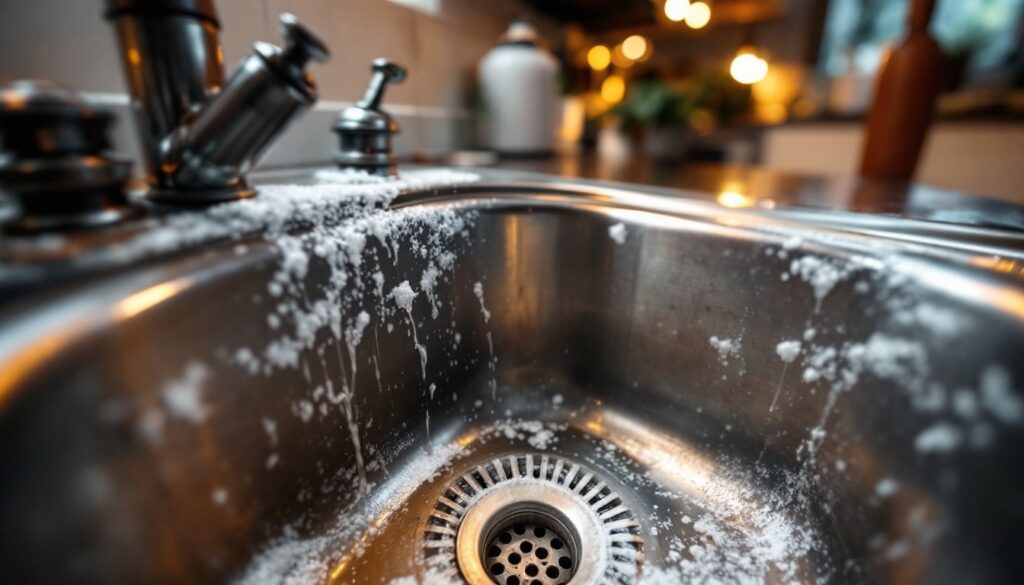
- Immediately pour 1 cup of vinegar down the drain, you’ll see fizzing and bubbling as the chemical reaction breaks down debris.
- Seal the drain with a plug or wet cloth for 15–30 minutes to keep the reaction working inside the pipe.
- Boil water and slowly pour it down the drain to flush out loosened material.
The fizzing action physically dislodges buildup without harsh fumes. This method works particularly well on soap and hair clogs. DIY methods like enzyme cleaners have gained popularity, but baking soda and vinegar remains reliable and cost-effective. For stubborn clogs, repeat the process, or let baking soda sit in the drain overnight before adding vinegar the next morning.
The Drain Snake Technique for Stubborn Blockages
When plunging and natural methods don’t work, a drain snake (also called a drain auger) reaches deeper clogs. Snakes are long, flexible cables with either a hook or screw tip designed to grab or break apart blockages.
Manual Drain Snakes vs. Motorized Versions
Manual drain snakes (25–50 feet long) cost $15–50 and work by hand crank. You feed the cable down the drain, rotating the handle to catch hair or break up debris. They’re quiet, safe, and suitable for most household clogs in kitchen sinks and bathroom drains.
Motorized drain snakes ($100–400+) feature an electric motor that powers the cable, making them faster and less physically demanding. They’re helpful for tougher blockages or if you’re clearing a main line. Rental options exist at hardware stores for $30–60 per day, making them affordable for one-time use.
How to use a manual snake:
- Remove the drain cover or strainer.
- Feed the cable tip into the drain, rotating the handle as you push.
- When you feel resistance (the clog), push firmly while rotating to hook or break the blockage.
- Pull the cable out slowly, which should dislodge debris.
- Run hot water to flush remaining material.
- Wear gloves and safety glasses: the cable can whip or sling debris.
Multiple techniques including drain snakes are effective for kitchen and bathroom blockages. Snakes work best on hair, grease, and soap buildup but struggle with tree roots or mineral-hard blockages in outdoor lines (that’s professional territory).
Chemical Drain Cleaners: When and How to Use Them Safely
Chemical drain cleaners are strong options when other methods fail, but they’re caustic and require careful handling. They come in two main types: lye-based (typically liquid, alkaline) and sulfuric acid (extremely corrosive). Some newer enzyme-based options break down organic matter without toxic fumes.
Safety requirements:
• Wear chemical-resistant gloves (not standard latex) and eye protection.
• Ensure strong ventilation, open windows and run fans.
• Never mix chemicals: the combination can release toxic gases.
• Keep children and pets away from the area.
• Read the product label completely before use.
How to use:
- Remove standing water if possible (some products require a dry pipe).
- Pour the recommended amount down the drain, don’t exceed the label’s dose.
- Wait the time specified (usually 15–30 minutes).
- Flush with abundant hot water.
- If the clog persists, don’t repeat: seek professional help.
Chemical cleaners work fast on grease and soap buildup but can damage older metal pipes or PVC if used repeatedly. Avoid them if your home has a septic system, they kill beneficial bacteria that break down waste. They’re also dangerous if you’ve already used another method (including baking soda and vinegar), so always know what’s in the pipe before pouring anything down it. If you have doubts, skip chemicals and call a professional.
Preventing Future Clogs With Simple Maintenance Tips
Prevention beats cure. A few habits keep drains flowing and save you time and money.
In the kitchen:
• Never pour grease or cooking oil down the drain: let it cool and discard it in the trash.
• Use a drain strainer to catch food particles before they enter the pipe.
• Run hot water after using the sink, especially after washing greasy dishes.
In the bathroom:
• Install a hair trap (a simple mesh screen) over drain openings in tubs and showers.
• Brush your hair before showering to reduce the amount going down the drain.
• Clean the drain cover monthly to remove trapped hair and soap.
General maintenance:
• Monthly, pour boiling water down each drain to dissolve soap and mineral buildup.
• Every three months, use the baking soda and vinegar method as a preventive flush.
• Have your main sewer line inspected every 3–5 years if your home is older than 50 years: root intrusion or settled pipes can cause persistent clogs.
These simple steps reduce clog frequency by 80% and keep your drains smelling fresh. Most clogs develop over weeks or months, so small actions now prevent emergency calls later.