A clogged drain is one of those home problems that hits at the worst possible time, usually when you’re rushing to get ready or hosting guests. The good news? Most drain clogs can be tackled without calling a plumber, and understanding what’s blocking your pipes is the first step toward fixing it. Whether you’re dealing with a slow-draining sink or a backed-up shower, this guide walks you through the causes, tools, and methods to clear your drains like a pro. We’ll cover when DIY solutions cut it and when you should bring in a licensed professional, plus preventative tricks to keep your pipes flowing freely for years to come.
Table of Contents
ToggleKey Takeaways
- Most household drain clogs—from hair in bathrooms to grease in kitchens—can be cleared with mechanical tools like plungers and hand augers without professional help.
- Clog busters drain cleaning & repair solutions work best when you identify the source of the blockage, as different clogs require different approaches to avoid pipe damage.
- Use plungers and hand augers as your first line of defense before chemicals; if DIY methods fail or the clog affects multiple fixtures, call a licensed professional to prevent costly damage.
- Install drain screens, avoid pouring grease down the sink, and perform monthly baking soda and vinegar flushes to prevent future clogs and keep pipes flowing freely.
- Professional drain cleaning typically costs $150–300 for motorized augers, while hydro-jetting or pipe repair ranges from $500–2,000+, making prevention a smarter long-term investment.
Understanding Common Drain Clogs and Their Causes
Before you grab a plunger, it helps to know what’s actually clogging your pipes. The most common culprit in bathroom sinks and showers is hair, it tangles with soap residue and mineral deposits to form a matted blockage just below the drain opening. Kitchen sinks take a different hit: grease and food particles accumulate on the interior walls of the pipe, gradually narrowing the passage until water backs up.
Toilet clogs usually stem from excessive toilet paper or objects that shouldn’t be flushed (wipes, feminine hygiene products, dental floss). Main line clogs, the big ones affecting your whole house, can result from tree roots penetrating pipes, collapsed sections of cast-iron drain line, or years of mineral buildup. Hard water is particularly brutal: calcium and magnesium deposits layer on interior walls like plaque in an artery.
Laundry rooms can develop lint-related blockages, and floor drains in basements sometimes trap sediment or organic debris. Knowing the source matters because the wrong solution can make things worse. A chemical approach might not touch a physical obstruction, and a plunger won’t help if you’re dealing with collapsed pipe sections underground.
When to Call a Professional vs. DIY Solutions
Not every clog is a DIY job, and knowing the difference saves time and money. Surface-level clogs, hair in a shower drain, a slow kitchen sink, are fair game for homeowners. If water drains, even slowly, and the clog is clearly near the drain opening, you can attempt mechanical removal with basic tools.
Call a professional if water backs up into other fixtures (a sign the clog is in the main line), if you see sewage smells, or if DIY attempts have already failed. Roots in the main line, cracked pipes, and collapsed sections require camera inspection and specialized equipment like hydro-jetting or trenchless repair. Older homes with cast-iron drains that are deteriorating also warrant a pro’s assessment.
Cost-wise, a simple plunger or hand-auger approach costs under $50. Chemical drain cleaners run $10–30. Professional drain cleaning with a motorized auger typically costs $150–300, while hydro-jetting or pipe repair can run $500–2,000+. The investment in professional work becomes worth it when DIY risks damaging pipes or missing a deeper problem. Platforms like HomeAdvisor and Angi can help you get quotes and read reviews from licensed plumbers in your area.
Essential Tools Every Homeowner Should Have
You don’t need much to tackle most household clogs. A plunger is the foundation, but choose the right one. Sink plungers have a flat cup that seals against flat surfaces: toilet plungers have a flange (an extra cone inside) for a tighter seal. A hand auger or plumbing snake (6–25 feet, $15–40) is your next essential. It’s a coiled metal cable with a handle: you crank it to break apart or snag blockages.
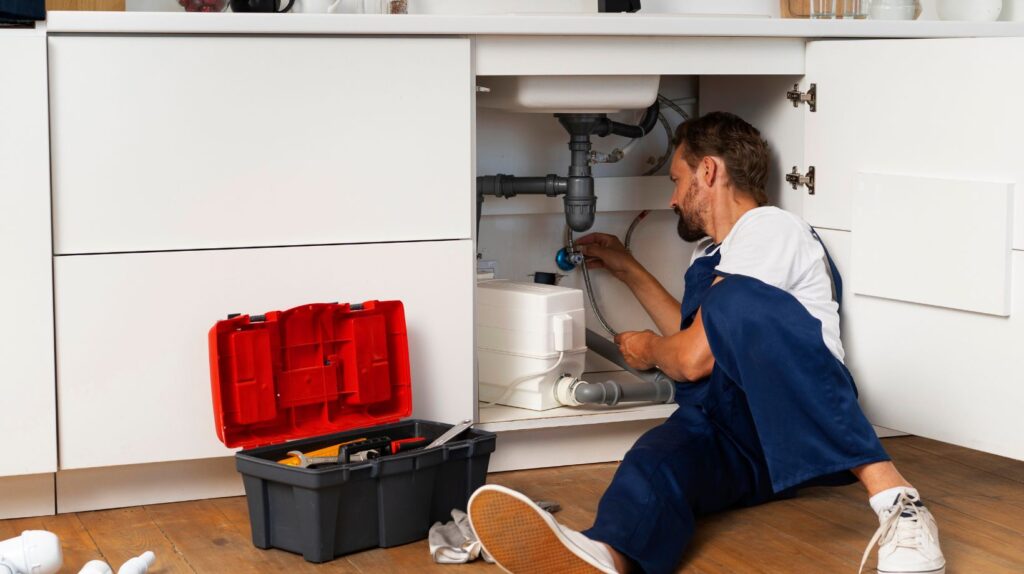
For under-sink access, channel locks or a pipe wrench help you remove the P-trap (the U-shaped pipe under the sink) without damaging it. A bucket catches the water that spills when you open the trap. Wet/dry shop vacuums work surprisingly well for extracting clogs from drains and are useful for general workshop cleanup anyway.
Before using any tool, wear nitrile gloves to avoid contact with bacteria in drain water. Safety glasses protect your eyes if water or debris splashes back. For chemical cleaners, add a respirator mask and keep the area ventilated. A flashlight or headlamp helps you see into the drain. Most of these items cost under $100 total and last for years. Family Handyman has detailed tutorials on proper plunger technique and safe auger use if you want visual guides.
Step-by-Step Drain Cleaning Methods That Work
Chemical Drain Cleaners vs. Natural Alternatives
Chemical drain cleaners work fast and are effective on grease and soap buildup, but they’re caustic and dangerous. Products containing sodium hydroxide or sulfuric acid can burn skin and eyes, release toxic fumes, and damage older pipes if left too long. Never mix chemical cleaners, combining bleach and ammonia produces toxic chloramine gas. If you do use a chemical cleaner, wear gloves and eye protection, ensure excellent ventilation, and never plunge or use a snake immediately after (you’ll spray caustic liquid upward).
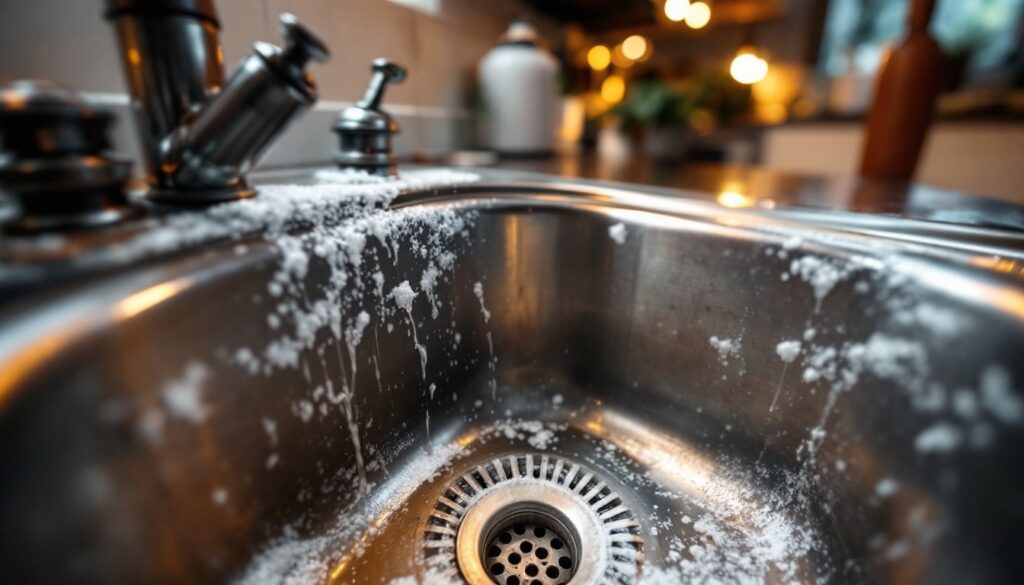
Natural alternatives are slower but safer. Baking soda and white vinegar create a fizzing action that can loosen debris in surface clogs. Pour 1/2 cup of baking soda down the drain, follow with 1 cup of vinegar, cover the drain opening, wait 30 minutes, then flush with hot water. Boiling water alone can dissolve grease in kitchen drains and is free.
For most homeowners, the mechanical approach beats chemicals: use a plunger or hand auger first, remove the P-trap if needed to fish out hair and gunk, then follow with hot water and baking soda for maintenance. Motorized augers or hydro-jetting (pressurized water) are best left to pros because they require skill to avoid damaging pipes.
Plunging technique: Fill the sink or tub with enough water to cover the plunger cup, position it firmly over the drain, and pump vigorously 15–20 times without breaking the seal. The suction and pressure dislodge clogs. For double sinks, block the overflow hole or the second drain with a wet cloth so pressure doesn’t escape.
Hand auger method: Feed the cable into the drain slowly, cranking the handle to turn the tip. When you hit resistance, crank harder to break through or hook the clog and withdraw it. Pull out the auger slowly: hair and debris may come with it. Rinse the auger between attempts.
Preventative Maintenance to Avoid Future Clogs
An ounce of prevention beats a pound of drain cleaner. In bathrooms, install drain screens (cost $2–5 each) to catch hair before it enters the pipe. Empty the screen weekly and rinse it. In kitchens, scrape dishes into the trash before rinsing, don’t rely on the garbage disposal to handle grease. Let grease cool and solidify in a container, then throw it away: never pour hot grease down the sink.
Monthly maintenance keeps drains flowing: boil a kettle of water and pour it slowly down each drain, or use the baking soda and vinegar flush monthly. For slower drains, repeat it weekly. Run the garbage disposal with cold water (not hot, which keeps grease liquid) and always use plenty of water to push food through.
Inspect under sinks quarterly for leaks or corrosion. If your home has hard water, consider a whole-house softener or at minimum install point-of-use softeners on hot water lines, this prevents mineral buildup that narrows pipes over years. For main line issues, avoid planting large trees near your sewer line and don’t pour grease, oils, or non-flushable items down drains.
If clogs keep returning in the same spot, the cause might be deeper than your auger can reach. This is when a professional camera inspection makes sense, it costs $200–400 but pinpoints whether you’re dealing with roots, buildup, or structural damage. Investing in preventative maintenance now saves thousands in emergency repairs later. Homeowners serious about long-term plumbing health should explore clog busters drain cleaning & repair reviews and professional assessments to understand their home’s unique drainage needs.
Conclusion
Drain clogs are common and usually manageable with basic tools and elbow grease. Start with mechanical methods, plungers and hand augers, before resorting to chemicals. Know your limits: if DIY approaches fail, the clog is affecting multiple fixtures, or you suspect tree roots or structural damage, a licensed plumber will save you headaches and protect your pipes. Finally, adopt simple preventative habits like drain screens, monthly baking-soda flushes, and proper grease disposal. A little attention now keeps your drainage system healthy and your home headache-free for years.