Your dishwasher cleans your dishes, but who cleans the dishwasher? Over time, food particles, grease, and mineral deposits build up inside, leaving behind odors and reducing cleaning performance. The good news: you don’t need harsh chemicals or expensive commercial cleaners to fix it. Baking soda is an inexpensive, non-toxic powerhouse that cuts through gunk naturally, and it’s already sitting in your pantry. This guide walks you through the entire process of cleaning your dishwasher with baking soda, from prepping the interior to establishing a maintenance routine that keeps things fresh between deep cleans.
Table of Contents
ToggleKey Takeaways
- Cleaning your dishwasher with baking soda is an inexpensive, non-toxic alternative to harsh chemicals that safely removes food particles, grease, and mineral deposits without damaging rubber seals or finishes.
- The most effective cleaning method combines a 1-cup baking soda cycle followed by a 2-cup white vinegar cycle on hot water to neutralize odors and dissolve stubborn mineral buildup completely.
- Prepare your dishwasher by removing and soaking the filter and spray arms in a baking soda solution, then wiping interior surfaces to remove loose debris before running any cleaning cycle.
- A monthly maintenance routine with 1 cup of baking soda, rinsing dishes before loading, and wiping the door seal prevents odors and extends the time between deep cleans to 3–6 months.
- Homes with hard water benefit from running the vinegar cycle monthly and using rinse aid to reduce mineral deposit buildup faster than in soft water areas.
- Contact a professional if odors persist after a baking soda and vinegar deep clean, as the issue may involve internal problems like a clogged drain line or mold growth in the pump.
Why Baking Soda Is The Best Dishwasher Cleaning Solution
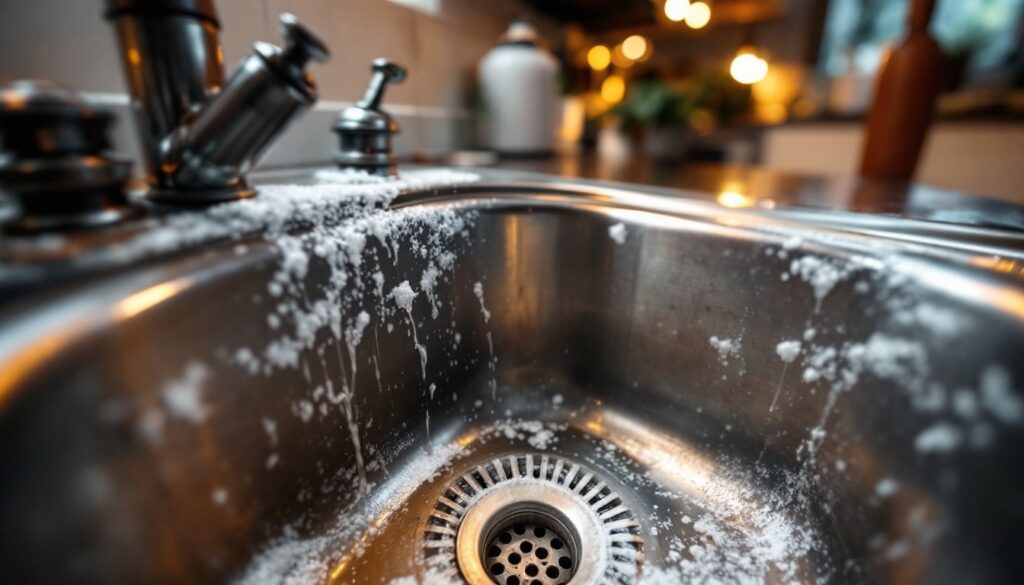
Baking soda works as a mild abrasive and deodorizer, two qualities that make it ideal for dishwasher cleaning. Unlike bleach or commercial degreasers, it won’t damage rubber seals, gaskets, or stainless steel finishes. It also dissolves naturally in water, leaving no residue behind.
The mineral deposits and stuck-on food that accumulate on dishwasher walls, racks, and filter screens are acidic. Baking soda, a base, neutralizes these deposits and loosens them mechanically without scratching. When you run a hot water cycle with baking soda, the combination of heat, agitation, and the alkaline nature of the powder tackles odors at their source rather than just masking them.
Another reason DIYers prefer baking soda: cost. A single box costs under a dollar and cleans your dishwasher multiple times. You’re also avoiding the toxic fumes and skin irritation risk that come with harsher alternatives. If you have kids or pets in the home, this matters, baking soda is safe if accidentally ingested in small amounts, though it’s still not meant for consumption in large quantities.
What You’ll Need To Get Started
Gathering supplies takes five minutes, and most homeowners already have these items on hand.
Materials:
- Baking soda (1 cup per cleaning cycle)
- White vinegar (optional but recommended for extra cleaning power)
- Warm water (for soaking and rinsing)
Tools:
- Soft-bristled brush or old toothbrush (for scrubbing tight spots and filter areas)
- Rag or microfiber cloth (for wiping down interior surfaces)
- Vacuum or damp cloth (for removing loose debris before you start)
Safety & Comfort:
- Rubber gloves (to protect hands while reaching into the filter area and handling debris)
- Proper lighting (a flashlight or headlamp helps you see inside the tub clearly)
You do not need commercial drain cleaners, enzyme treatments, or specialty degreasers for routine maintenance. If you’re dealing with stubborn mineral buildup from hard water, white vinegar, not the baking soda, will handle that job more effectively, though the two work beautifully together when used in sequence.
Step-By-Step Instructions For Cleaning Your Dishwasher
Cleaning The Filter And Spray Arms
Before running any cycle, remove and inspect the filter and spray arms. These are where the most debris collects, and skipping this step wastes time and reduces results.
-
Locate the filter. Most dishwashers have a filter assembly at the bottom of the tub. Consult your manual if you’re unsure, but it’s typically a cylindrical or basket-style component near the drain.
-
Remove the filter carefully. Twist or unclip it (again, your manual tells you which), and lift it out. You’ll likely see a layer of food particles, grease, and buildup, this is normal.
-
Rinse under warm running water. Use your fingers or a soft brush to gently dislodge loose debris. Don’t scrub aggressively: the goal is to remove the obvious junk without scratching the fine mesh.
-
Soak the filter. If buildup is stubborn, place the filter in a bowl of warm water mixed with 2 tablespoons of baking soda and let it sit for 15–20 minutes. Then brush gently and rinse again.
-
Clean the spray arms. These rotate at the bottom and middle of the tub. Check the spray holes (usually small openings along the arms) for blockages. Use an old toothbrush or a straightened paperclip to clear any debris, then soak the arms in baking soda solution if they’re heavily calcified.
-
Wipe the interior tub. Use a damp rag to wipe the walls, corners, and bottom of the dishwasher, removing loose food and sediment. Pay attention to the rubber door seal, debris and mold often hide there.
-
Replace the filter and arms. Once everything is clean and dry, reinstall them, making sure they’re seated correctly and secure.
Running The Baking Soda Cycle
Now comes the easy part. This is where DIY cleaning with simple ingredients shows its power.
-
Fill the detergent dispenser (or a small bowl) with 1 cup of baking soda. Some dishwashers have a dedicated powder detergent slot: use that if available. If not, place a small oven-safe bowl filled with baking soda on the bottom rack of the empty dishwasher.
-
Run the hottest water cycle. Select a normal or heavy-duty wash cycle using the hottest water your machine offers. The heat activates baking soda’s cleaning power. Do not add any detergent, baking soda alone is sufficient, and mixing it with regular detergent can reduce effectiveness.
-
Let it run to completion. This takes 2–3 hours depending on your machine. During this time, the hot water and baking soda circulate through the spray arms, dissolving mineral deposits and neutralizing odors.
-
Optional second pass with vinegar (recommended). Once the baking soda cycle finishes, run a second cycle using 2 cups of white vinegar. Here’s why: vinegar is acidic and dissolves mineral deposits that baking soda missed. The two together form a one-two punch. Pour the vinegar into a bowl and place it on the top rack of the empty dishwasher, then run another hot cycle.
-
Inspect and wipe down. After both cycles complete, wipe the interior with a clean, damp cloth. You should notice a significant reduction in buildup and odor. The tub will look noticeably brighter.
Pro tip: If you see stubborn white or brown deposits still clinging to the walls, make a paste with baking soda and a small amount of water. Apply it to the spots, let it sit for 10 minutes, then scrub gently with a soft brush and rinse. Resources like Good Housekeeping’s dishwasher cleaning guide offer additional troubleshooting if deposits persist.
Tips For Maintaining A Fresh-Smelling Dishwasher
Deep cleaning every 3–6 months keeps your dishwasher running efficiently, but you can extend the time between deep cleans with simple habits.
Quick monthly maintenance:
- Run a cycle with 1 cup of baking soda monthly (no second vinegar pass needed unless odors return).
- Rinse dishes before loading to reduce the amount of food debris entering the tub.
- Wipe the door seal monthly with a damp cloth, this prevents mold and trapped food from creating smells.
- Leave the door cracked open after a cycle to allow moisture to evaporate.
Hard water and mineral deposits:
If your home has hard water, mineral deposits will build up faster. The vinegar cycle is especially important in your case: consider running it monthly rather than waiting 3–6 months. Some homeowners add a rinse aid designed for hard water to their machine’s dispenser: this helps water bead and drain faster, reducing deposit buildup.
When to call a pro:
If your dishwasher smells even after a deep clean with baking soda and vinegar, the problem may be internal, a clogged drain line, mold growing in the pump, or a stuck food trap. These issues require professional service. Similarly, if spray arms won’t rotate or the filter won’t seat properly, internal damage may have occurred. Comprehensive home improvement guides often include when to DIY versus when to hire help, and dishwashers are a good example of that balance.
Conclusion
Cleaning your dishwasher with baking soda is straightforward, affordable, and effective. Start with filter and spray arm prep, run a hot baking soda cycle, follow with vinegar if you have hard water or stubborn buildup, then maintain monthly with quick maintenance. You’ll extend your dishwasher’s life, improve wash performance, and keep odors gone, all without harsh chemicals or contractor fees. Most homeowners can complete a full deep clean in under an hour of actual hands-on time. Start today and enjoy a fresher-running machine.