A clogged drain is one of those home problems that can escalate fast, and the longer you wait, the messier it gets. Before you call a plumber and watch your wallet deflate, it’s worth knowing which drain cleaning tools actually work and when to use them. Most clogs fall into a couple of predictable categories, and the right tool makes all the difference between a quick fix and a frustrating afternoon. This guide walks you through the essential drain cleaning tools every homeowner should know about, from simple plungers to mechanical augers, so you can tackle the problem yourself with confidence.
Table of Contents
ToggleKey Takeaways
- Identify your clog type before choosing drain cleaning tools—hair and grease require different approaches than mineral deposits or deeper blockages.
- Plungers and hand-crank drain snakes ($15–50) handle most shallow bathroom clogs effectively, but motorized augers work better for tougher or deeper blockages.
- Chemical drain cleaners work fast but carry serious safety risks; natural alternatives like baking soda, vinegar, and enzyme-based products are safer and effective for organic buildup.
- Mechanical equipment like wet/dry vacuums and drain jetting machines tackle stubborn obstructions, with jetting machines available for rent ($30–60 per day) for cost-effective heavy-duty cleaning.
- Prevention through drain screens, monthly hot-water flushes, and proper disposal habits (no grease or large solids) saves time and money by stopping clogs before they start.
Understanding Your Drain Problem
Before grabbing tools, figure out what’s actually blocking your drain. A slow sink drain is different from a completely backed-up tub, and the problem location matters too. Hair tangles, soap scum buildup, and food debris are shallow clogs sitting just below the trap. Mineral deposits, roots in sewer lines, and solid obstructions sit deeper and require more aggressive tools.
Does water drain at all, even slowly? That’s usually hair or grease, the easiest fix. Is water backing up into other fixtures or the yard? That points to a main line issue and likely needs professional help. Most DIY drain cleaning happens on bathroom sinks and shower drains: kitchen sink clogs often involve grease and benefit from heat or solvents. Toilet clogs are their own beast (tackled best with a specialized closet auger, not a standard snake).
Check whether your pipes are plastic or older cast iron too. Plastic handles snakes fine. Old cast iron is fragile, aggressive mechanical cleaning can crack it. If you live in an older home and aren’t sure, gentle hand tools come first.
Essential Hand Tools for Minor Clogs
Plungers: The First Line of Defense
A cup plunger (the flat-bottomed type) works best for sinks and tubs. The flange plunger (with the extra rubber piece) is designed for toilets and won’t seal properly on a flat sink drain. Don’t substitute.
Fill the sink with a few inches of water, enough to cover the plunger cup, and block any overflow holes with a wet cloth. This seals the system so pressure builds where it counts. Plunge with firm, rapid strokes 15–20 times without breaking the seal. The goal isn’t brute force: it’s rapid pressure changes that dislodge the clog. If nothing moves after two rounds, the blockage is probably too deep for a plunger alone.
Safety note: Wear eye protection when plunging. Splashing dirty water is part of the deal.
Drain Snakes and Augers
A hand-crank drain snake (also called a manual auger) is a DIYer’s best friend for shallow clogs. These run $15–50 and fit any household budget. The snake is a long, flexible cable with a handle at one end. You feed it down the drain and crank the handle to snag hair or push through debris.
Snakes work great on bathroom sinks because the clog sits just a few feet down. Feed the cable slowly: don’t force it. When you feel resistance, try small rotations and gentle pulls. Often, a few cranks bring up a ball of hair that’s remarkable in its size.
For tougher jobs, a motorized drain auger ($40–150) does the cranking for you and handles slightly deeper or denser clogs. They’re overkill for simple hair removal but shine when you’re dealing with calcified soap buildup or small roots. Wear gloves and eye protection, if the cable binds, it can whip.
The key difference between a hand snake and an auger comes down to depth and clog type. A 25-foot hand snake tackles most residential clogs. A motorized version gives you more pulling power and fits deeper issues, but add a pair of helper hands if you’re inexperienced. The cable can twist and jam if mishandled.
Mechanical Drain Cleaning Equipment
When hand tools can’t cut it, mechanical equipment steps in. A wet/dry shop vacuum pulls debris out instead of pushing it through. Connect the hose to the drain opening (you’ll need adapter fittings), seal the drain as best you can, and let suction do the work. This works surprisingly well for hair clogs in tubs and showers. Cost: $50–150 depending on capacity.
Drain jetting machines (pressure washers adapted for drains) blast water at high pressure to clear stubborn blockages and clean buildup off pipe walls. These require specific attachments for drain use and aren’t cheap ($200–1,500 for homeowner-grade versions). That said, they’re effective for grease in kitchen sinks or mineral deposits in older homes. Renting one for a day costs $30–60.
A motorized cable auger (mentioned above but worth emphasizing) is the workhorse for deeper residential clogs. Most clogs sit within 15 feet of the drain opening: augers reach 50+ feet if needed. Rental shops have 1/2-inch and 3/4-inch diameter models. Larger pipes need larger cables. Step-by-step instructions for drain cleaning cover proper technique if you’re renting one for the first time.
Caution: Don’t mix mechanical cleaning with chemical drain cleaners. If you’ve already poured caustic chemicals down the drain, wear full PPE (face shield, gloves, apron) when using a snake, splashing caustic material is a burn hazard.
Chemical and Natural Cleaning Solutions
Chemical drain cleaners (sodium hydroxide or sulfuric acid bases) dissolve clogs fast, but they come with serious safety trade-offs. They work best on grease and soft blockages, less so on hair or mineral buildup. Never mix different cleaners, the reaction can produce toxic fumes or explosion risk.
Wear heavy-duty gloves, eye protection, and ensure good ventilation. Pour the recommended amount, wait 15–30 minutes, and flush with hot water. Follow the label exactly: these aren’t forgiving products. If the clog doesn’t clear, don’t repeat the dose. Multiple applications build up caustic concentration and don’t help.
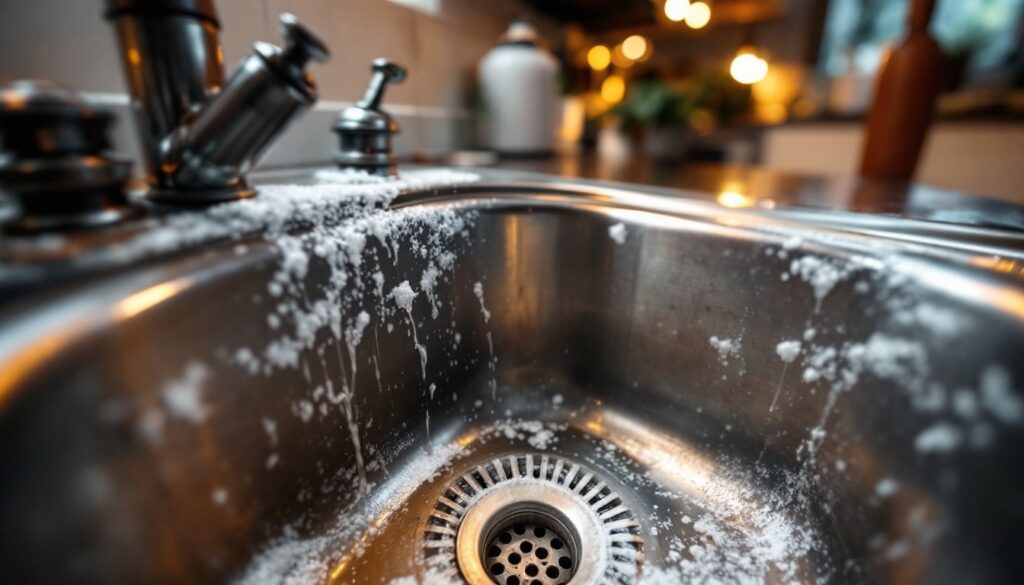
Natural alternatives (baking soda, vinegar, or enzyme-based cleaners) are gentler and safer, though slower. Reviews of tested drain cleaners show enzymatic products work best on organic matter like hair and soap scum. Pour a half-cup of baking soda down the drain, follow with a cup of white vinegar, cover the drain, wait 30 minutes, then flush with hot water. It’s not Hollywood-quick, but it’s effective for maintenance and won’t corrode pipes or harm skin on contact.
Enzyme-based cleaners ($10–25 per bottle) contain bacteria or fungi that eat organic buildup. They work overnight or over a few hours and pair well with regular maintenance. Drain cleaning product comparisons break down which types suit different clog scenarios.
For grease clogs (common in kitchens), pour boiling water alone first. Heat often loosens hardened grease enough to clear it without chemicals. If that fails, enzyme cleaners outperform harsh acids on grease specifically.
Preventing Future Drain Issues
The best drain cleaning tool is prevention. Install drain screens or stoppers ($2–10) in every sink and tub. They catch hair and debris before they enter the pipes. Empty and clean screens weekly, it takes 30 seconds and saves you hours of troubleshooting later.
Flush drains monthly with hot water, or use the baking soda and vinegar routine above as preventive maintenance. This keeps buildup from accumulating and keeps pipes flowing freely. For kitchen sinks, never pour grease down the drain, let it cool and solidify, then throw it away. Grease cools in pipes and traps debris like a magnet.
Don’t force large solids down the toilet: that’s what trash cans are for. Limit what goes in: human waste and toilet paper only. A $20-30 cheapest drain cleaning service consultation might beat years of clogs if you’re unsure about your plumbing setup.
Run the garbage disposal with cold water (not hot) and for a full 30 seconds after food stops flowing. Bone fragments and fibrous scraps jam disposals: scrape plates well before rinsing. If your home uses a septic system, steer clear of harsh chemicals and limit how much you rely on the garbage disposal. Enzyme-based cleaners are friendlier to septic bacteria than bleach or caustic drains cleaners.
In hard-water areas, mineral deposits build up and slow drains over time. A yearly treatment with a chelating agent (which binds minerals) keeps pipes clear. Talk to a plumber if you’re not sure whether hard water is an issue in your area.