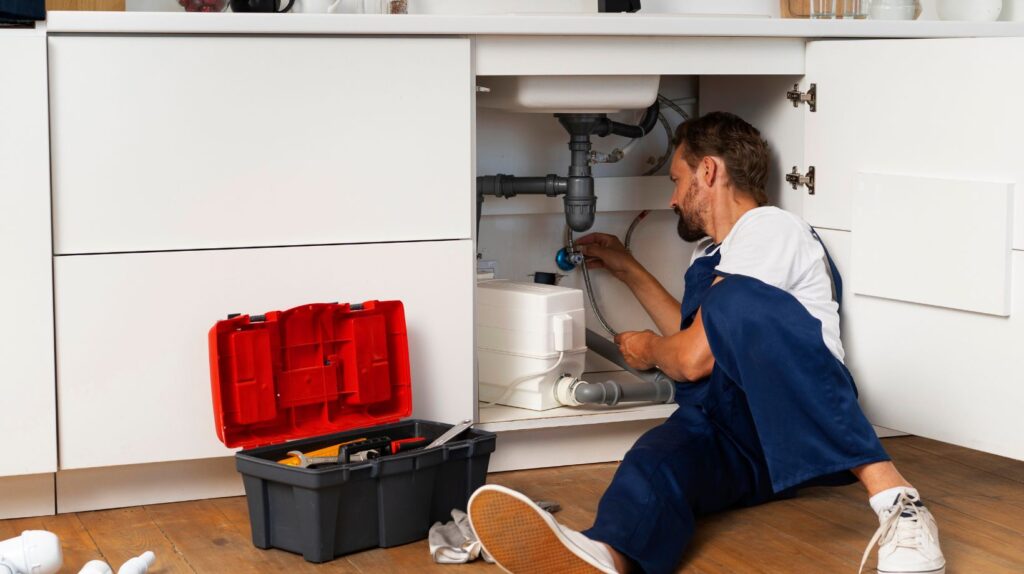
When it comes to home maintenance, downspout cleaning is like that one voice in a horror movie, often ignored until it’s too late. Imagine standing in a downpour only to find water gushing over your gutters like a scene straight out of the Titanic. Not fun, right? Keeping your downspouts clean doesn’t just save you from soggy shoes: it’s essential to maintaining your roof, foundation, and even your sanity. So grab your gloves, and let’s unravel the mysteries of downspout cleaning together without turning into a soggy mess.
Understanding Downspouts and Their Importance

Downspouts are crucial components of your home’s drainage system. They funnel rainwater from your roof to the ground, directing it away from your home’s foundation. This might seem simple, but without properly functioning downspouts, water can pool, leading to some serious problems. They help prevent soil erosion, mold growth, and basement flooding, issues that can create costly repairs over time. Think of them as your home’s unsung heroes, tirelessly protecting your biggest investment.
Common Issues Caused by Clogged Downspouts
So, what happens when downspouts get clogged? Picture this: rainwater begins to overflow, spilling over the sides of the gutters like a broken dam. This overflow can damage roofing materials, lead to ice dams in winter, and wreak havoc on your landscaping. Not to mention, clogged downspouts can cause moisture to seep into your home’s foundation, inviting mold and rot to take up residence. Some common culprits for clogs include leaves, twigs, and debris, elements that seem harmless until a storm hits. Slobbery snails, anyone?
Tools and Materials Needed for Downspout Cleaning
Before diving into the deep end of downspout cleaning, it’s essential to gather your tools. You wouldn’t go on a treasure hunt without a map, right? Here’s what you’ll need:
- Gloves: Protect those hands from grime and muck.
- Bucket: Collect debris without making a mess.
- Garden hose: Use it as a handy water jet.
- Auger or plumbing snake: An invaluable tool for busting clogs.
- Step ladder: Reach those high up downspouts safely.
- Trowel: Perfect for scooping out stubborn gunk.
Having these tools on hand will set you up for success and spare you that last-minute errand to the hardware store.
Step-by-Step Guide to Cleaning Downspouts
Let’s get down to the nitty-gritty of downspout cleaning. Follow these steps for a thorough job that’d make your grandmother proud:
- Safety First: Start by using a ladder. Ensure it’s sturdy and positioned on level ground.
- Inspect the Area: Look for loose connections or visible damage.
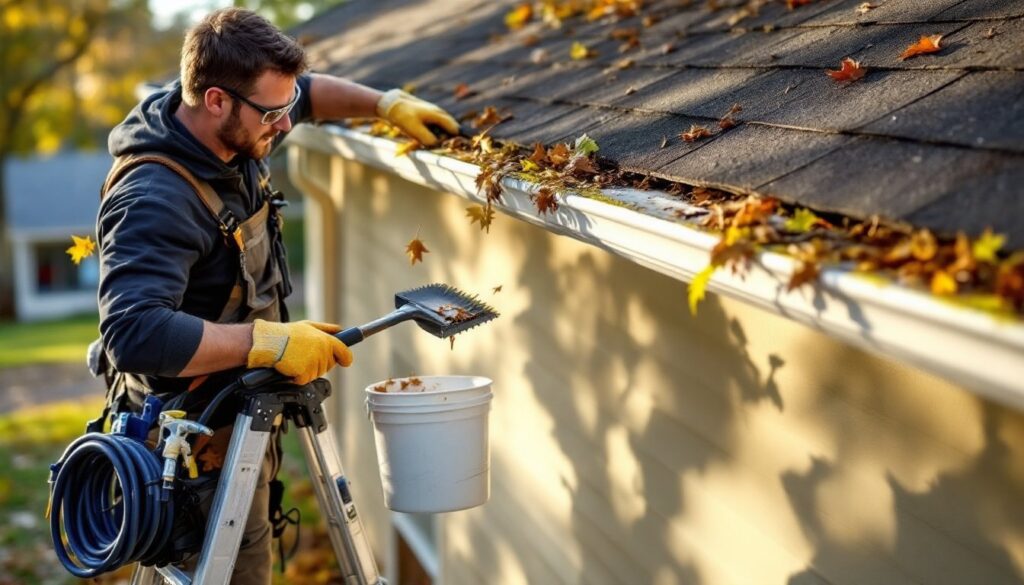
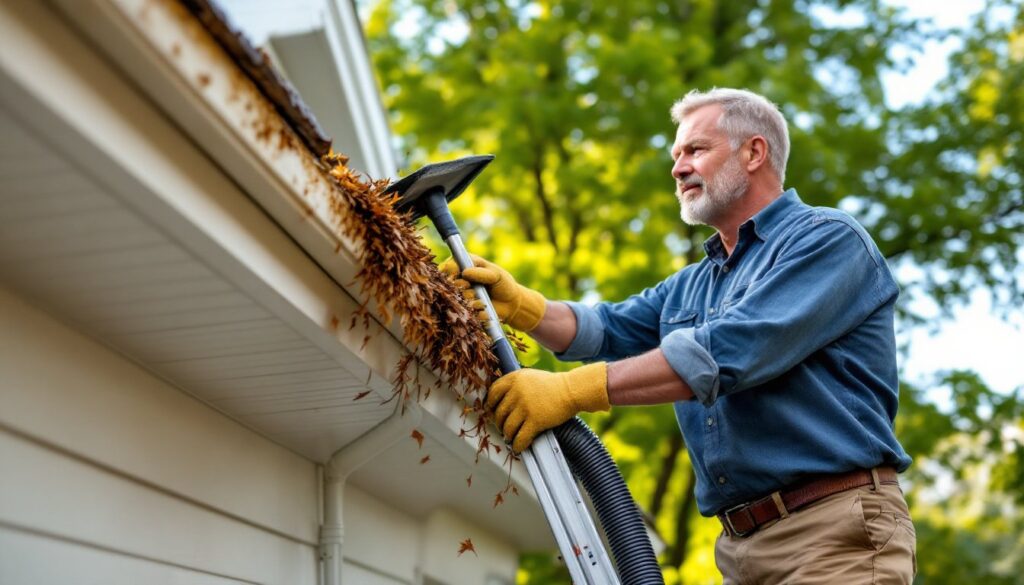
- Remove Debris: Start at the top of the downspout: use your gloves and trowel to scoop out any leaves or muck blocking the flow.
- Flush With Water: Grab your garden hose and flush out the downspout. This will remove the remaining debris and check for blockages.
- Use the Auger: If you still see a blockage, insert the auger and twist to break it up. Follow this up with another flush of water.
- Reassemble: Once cleaned, reattach any parts and ensure everything is secure.
- Check the Outflow: Walk outside and check where the water is exiting. It should be flowing freely away from your foundation.
Preventative Maintenance Tips for Downspouts
Cleaning downspouts isn’t a one-time deal. Regular maintenance is key to preventing future clogs. Here are some tips to keep those downspouts flowing smoothly:
- Regular Inspections: Check your downspouts every season. Look for leaves and other debris that may have accumulated.
- Install Guards: Consider adding mesh guards to your gutters to minimize debris accumulation.
- Cut Overhanging Branches: Trim trees to prevent leaves from falling directly into your gutters.
- Ensure Proper Drainage: Check to make sure water flows away from your home after heavy storms.
- Plan for Seasonal Changes: Prepare your downspouts for winter months to avoid ice dams.
When to Call a Professional
Sometimes, even the most diligent homeowner may face challenges that require professional help. Here are signs that it’s time to pick up the phone:
- Persistent Clogs: If you consistently battle clogs, even though your best cleaning efforts.
- Visible Damage: Cracks or rust in the downspouts themselves can compromise their functionality.
- Water Damage Signs: Mold or water damage inside your home points to drainage issues.
- Extensive Repairs: If your downspouts have extensive damage or if the situation is beyond DIY fixes, calling in a pro is smart.
After all, sometimes those heroes in capes, err, I mean professionals, know a thing or two.