A slow drain is annoying. A backed-up one is a crisis. If you’re a homeowner in Centennial, you’ve likely encountered at least one drain that needed attention, whether it’s a kitchen sink, bathroom fixture, or laundry line. The good news: drain cleaning in Centennial doesn’t always mean calling a plumber and watching your wallet drain instead. This guide walks you through why regular maintenance matters, what problems look like, which DIY methods actually work, and when it’s time to bring in the professionals. Whether you’re dealing with a preventable clog or something more serious, you’ll find practical solutions here.
Table of Contents
ToggleKey Takeaways
- Regular drain maintenance prevents emergency clogs and extends your plumbing system’s lifespan by removing hair, soap, grease, and mineral buildup before they cause serious blockages.
- Simple DIY drain cleaning methods like baking soda and vinegar work for minor clogs and preventive maintenance, but professional help is needed if multiple drains back up or problems persist.
- Drain cleaning in Centennial requires special attention to hard-water mineral deposits and mineral scaling, which are common in the area and accelerate pipe blockages over time.
- Install drain screens, avoid pouring grease down kitchen sinks, and perform monthly hot-water flushes to prevent 80% of household drain problems without expensive equipment or chemicals.
- Call a professional drain cleaner if you notice sewage smells, wet patches in your yard, simultaneous backups, or clogs that return within days—these signal main-line issues beyond DIY repair.
Why Regular Drain Maintenance Matters for Your Home
Ignoring slow drains isn’t like ignoring a squeaky door hinge, it compounds over time. Hair, soap residue, grease, and mineral deposits build up gradually inside your pipes, turning a minor slowdown into a full blockage that can back water up into your home or yard.
Regular maintenance prevents emergency calls at 11 p.m. on a Sunday. It also protects your plumbing system’s integrity. When pipes stay clear, water flows freely, reducing strain on joints and seals. In Centennial’s climate, where hard water is common, mineral buildup accelerates, making preventive drain cleaning even more valuable.
You don’t need expensive chemicals or equipment for basic upkeep. A monthly hot-water flush, a drain screen, and the occasional simple cleaning can add years to your plumbing and save hundreds in service calls. Catching a slow drain early beats dealing with a flooded basement or backed-up sewage later.
Common Drain Problems Centennial Homeowners Face
Centennial’s older housing stock and hard water create predictable drain headaches. Hair clogs in bathroom drains are the most common, a simple issue but persistent. Kitchen sinks back up from grease traps, especially after cooking. Over time, grease cools and solidifies inside the pipe, catching debris like a net.
Mineral deposits and hard-water scale are Centennial-specific challenges. The area’s water hardness leaves calcium and magnesium buildup inside pipes, narrowing the opening and slowing flow. You’ll notice this in fixtures across the house, not just one drain.
Less common but serious issues include tree roots invading sewer lines and corroded or fractured pipes. If multiple drains slow simultaneously or you smell sewage, that’s a red flag, call a professional. Single-drain slowness usually points to a local blockage you can handle yourself. Knowing the difference saves time and money.
DIY Drain Cleaning Methods That Actually Work
Using Baking Soda and Vinegar for Natural Cleaning
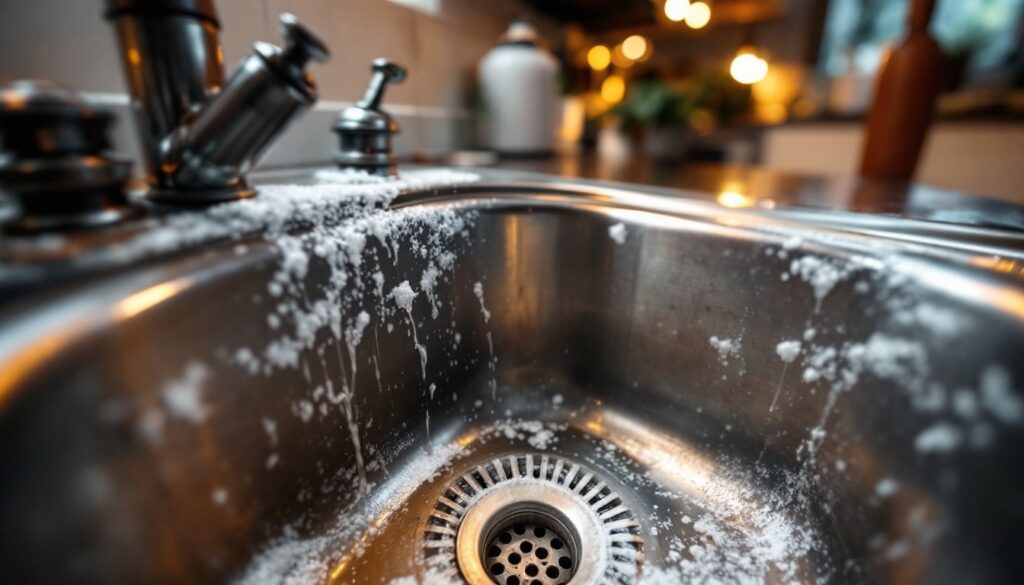
This DIY classic works because of a simple chemical reaction. Pour ½ cup of baking soda down the drain, then slowly add 1 cup of white vinegar. The fizzing action helps break apart minor buildup without harming pipes. Cover the drain opening with a rag or stopper and let it sit for 30 minutes to 2 hours. Finish with a kettle of boiling water to flush the loosened debris.
This method is safe for all pipe types, inexpensive, and non-toxic, perfect for preventive monthly cleaning. It won’t clear a fully blocked drain, but it’s excellent for maintaining clear lines and managing early-stage slowness. For kitchen drains, follow up by running hot water for several minutes: for bathroom drains prone to hair, use the snake first to remove visible blockages, then use the baking soda treatment.
When to Call a Professional Drain Cleaner in Centennial
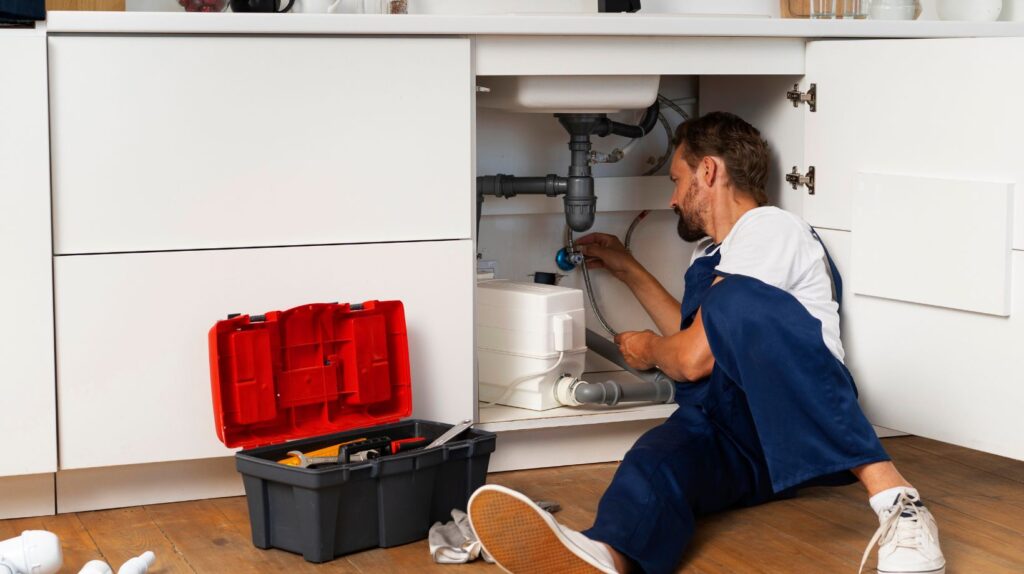
DIY methods handle most household clogs. But some situations demand professional help. If multiple drains back up at once, you likely have a main line issue, that’s beyond a plunger. If a drain returns to being slow within days of clearing it, the underlying problem is bigger. If you smell sewage, see wet patches in your yard, or hear gurgling sounds from multiple fixtures, call immediately.
Centennial professionals have tools you don’t: video inspection cameras that show exactly where a blockage is, high-pressure water jets that blast away years of buildup, and motorized snakes that handle sewer-line clogs. They also diagnose whether your pipes are damaged or just dirty. A professional inspection costs $150-300 upfront but can save thousands by preventing emergency repairs.
When choosing a drain cleaner in Centennial, check reviews and get quotes from at least two companies. Some offer flat rates: others charge hourly. Professionals who are transparent about costs and explain what they found (and show you the camera footage if available) tend to be trustworthy. Top-rated drain cleaners in Centennial, CO with real customer reviews can help you narrow options quickly.
Preventing Future Drain Clogs and Buildup
Prevention beats emergency fixes every time. Install drain screens in every sink and tub, they’re cheap and catch hair and debris before they enter the pipe. Empty them regularly.
For kitchen drains, never pour grease down the sink. Let it cool and solidify in a can or jar, then throw it in the trash. Wipe dishes before rinsing to reduce food debris. Run hot water for 30 seconds after each use to flush lingering particles.
Bathroom drains need regular hair removal. Use a drain snake monthly if you have long hair, or install a drain plug insert that catches hair without blocking water flow.
Once a month, flush each drain with hot water for 2-3 minutes, then run the baking soda and vinegar treatment described above. This gentle, preventive approach keeps hard-water mineral buildup in check without chemicals.
If you suspect hard-water scaling (slow drains throughout the house), discuss a whole-house water softener with a plumber. It’s an investment, $1,500-3,000 installed, but protects all your pipes and fixtures long-term. Resources like HomeAdvisor’s cost estimators help you plan budgets for larger upgrades. For ongoing maintenance tips and DIY plumbing how-tos, home improvement sites offer step-by-step guidance.
Conclusion
Drain cleaning in Centennial doesn’t require a contractor’s license. Most clogs respond to a plunger, drain snake, or the baking soda-vinegar trick, tools and methods any homeowner can master in minutes. Regular maintenance (drain screens, monthly flushes, grease discipline) prevents 80% of problems before they start. When DIY methods don’t work or multiple drains back up, that’s your cue to call a professional. Know the difference, stay proactive, and you’ll spend far less time dealing with plumbing headaches and far more time on projects you actually enjoy.