Deep cleaning your kitchen feels great, until you realize you’re hungry and uncertain whether it’s safe to eat. The timing between scrubbing surfaces and preparing food matters more than most people think. Chemical residues, fumes, and contamination risks depend on what you used to clean and how thorough your rinsing was. Whether you hired a professional service or tackled the job yourself with commercial products or natural alternatives, understanding the wait time protects your family’s health. This guide walks you through the real timing requirements, safety protocols, and practical steps to get your kitchen food-ready after a deep clean.
Table of Contents
ToggleKey Takeaways
- How long after deep cleaning you can eat depends on the cleaning products used: professional chemical cleaners require 2–4 hours of wait time, while natural alternatives like vinegar and baking soda need only 30–60 minutes.
- Chemical residues, fumes, and VOCs pose health risks when transferred to food-contact surfaces, so proper rinsing, ventilation, and drying are essential before preparing meals.
- Always verify safety data sheets (SDS) from professional cleaning services and maintain adequate cross-ventilation (open windows and exhaust fans) throughout the waiting period.
- Final preparation steps—wiping high-touch surfaces, inspecting appliances, and washing cutting boards with hot soapy water—are critical to ensure your kitchen is truly food-ready after deep cleaning.
- Never mix cleaning products, wear appropriate PPE, and keep children and pets out of the kitchen during cleaning and the entire wait period to prevent chemical exposure.
- Keeping a cleaning log with product names and recommended wait times prevents confusion and ensures consistent safety protocols across your household.
Why Timing Matters When Eating After Deep Cleaning
Chemical Safety Concerns
Deep cleaning products contain active ingredients designed to cut through grease, kill bacteria, and dissolve buildup. These same compounds can be harmful if ingested in significant quantities or if residues accumulate on food-contact surfaces. The main risk isn’t a single catastrophic exposure but rather low-level contact that repeats over time.
Common culprits include ammonia-based cleaners, bleach solutions, petroleum distillates in degreasers, and quaternary ammonium compounds (quats) found in disinfectants. When these remain on countertops, cutting boards, or in sink bowls, they can transfer to food, dishes, or utensils. Inhaling fumes during and immediately after cleaning also poses respiratory irritation, especially for children, pets, and people with asthma or sensitivities.
Rinsing surfaces thoroughly reduces residue, but some products leave an invisible film. Ventilation helps clear airborne fumes, but natural air circulation takes time. The wait period accounts for both surface drying and fume dissipation. Skipping or shortening this wait risks introducing unwanted chemicals into your meals, even if the risk seems low on any single occasion.
Recommended Wait Times by Cleaning Method
Professional Chemical Cleaners
Professional-grade degreasers, oven cleaners, and disinfectants typically require a wait of 2 to 4 hours before preparing food in the space. This accounts for full evaporation of volatile organic compounds (VOCs) and surface drying. Many professional services apply products that are EPA-registered and approved for food-prep areas, but only after proper ventilation and rinsing.
If your kitchen was cleaned by a service using commercial-strength oven cleaners, tile sealers, or grout treatments, ask the cleaning company for the specific product’s safety data sheet (SDS). The SDS lists reentry time and food-contact surface drying periods. Products like caustic oven sprays may require up to 4 hours: gentler EPA-approved disinfectants might clear in 2 hours with adequate ventilation.
During the wait, keep windows open and exhaust fans running. Avoid allowing children or pets into the kitchen immediately after the service leaves. Wipe down any high-touch surfaces (cabinet handles, light switches) with a damp cloth before the wait period ends, just to be safe. Many homeowners extend this to 6 hours if cleaning happened in the morning, simply allowing the afternoon and early evening for full off-gassing.
Natural and Eco-Friendly Cleaners
Vinegar, baking soda, and hydrogen peroxide are gentler alternatives that typically require only 30 to 60 minutes before eating. These products break down quickly and leave minimal toxic residue. Vinegar’s acetic acid evaporates readily, and baking soda is a food-grade compound used in baking itself. Hydrogen peroxide, when used at standard household concentrations (3%), breaks down into water and oxygen.
But, even natural cleaners benefit from a thorough rinse and brief wait. If you mixed baking soda and vinegar into a paste for scrubbing, rinse surfaces with clean water and allow them to air-dry. The same applies to soap-based plant cleaners and essential oil-infused products, low toxicity doesn’t mean zero wait time, especially on cutting boards or inside refrigerators.
Many DIYers underestimate the importance of rinsing when using natural methods. A paste left on a countertop for hours can still leave a residue. Wipe, rinse thoroughly with clean water, dry with a paper towel or clean cloth, and wait 30 to 60 minutes before preparing fresh food. This buffer also ensures surfaces feel completely dry to the touch, reducing any slipping hazard or contamination from damp cloths.
Preparing Your Kitchen for Eating After Deep Cleaning
Once the wait time has passed, don’t skip the final prep steps. These ensure surfaces are truly ready for food contact.
Rinse and dry high-touch areas: Countertops, cutting boards, sink bowls, and the refrigerator interior should be wiped with a clean, damp cloth, not one you used during cleaning. Use fresh water, not leftover cleaning solution. Dry thoroughly with a paper towel or lint-free cloth. This removes any remaining residue and prevents moisture from attracting bacteria during the wait period.
Check for cleaner smell: Open cabinets and drawers to air them out. If you detect a strong chemical or vinegar smell, extend the wait by 15 to 30 minutes and open more windows. A faint scent is usually normal, but overpowering odors suggest the space needs more time to clear. Trust your nose, if it bothers you, it’s likely still off-gassing.
Inspect appliances: If you cleaned inside the oven, dishwasher, or microwave, run the oven at 350°F for 10 minutes with the door open to fully dry the interior and clear residual fumes. Wipe down the microwave interior with a damp cloth after the wait period. These steps are especially important if you used commercial oven cleaners, which can leave caustic residue in corners.
Prepare food prep surfaces: Wash your cutting boards, knives, and any dishes you’ll use with hot soapy water and rinse thoroughly. Even if these weren’t directly in the cleaning area, dust and fumes can settle on them. A quick wash takes 2 minutes and removes any lingering particles.
Ventilate the refrigerator: If you deep-cleaned the fridge interior with commercial products, leave the door open for the full wait period (2 to 4 hours for chemicals). This prevents food stored inside from absorbing chemical odors. According to cleaning tips from The Spruce, proper ventilation of appliances after deep cleaning prevents cross-contamination of stored food.
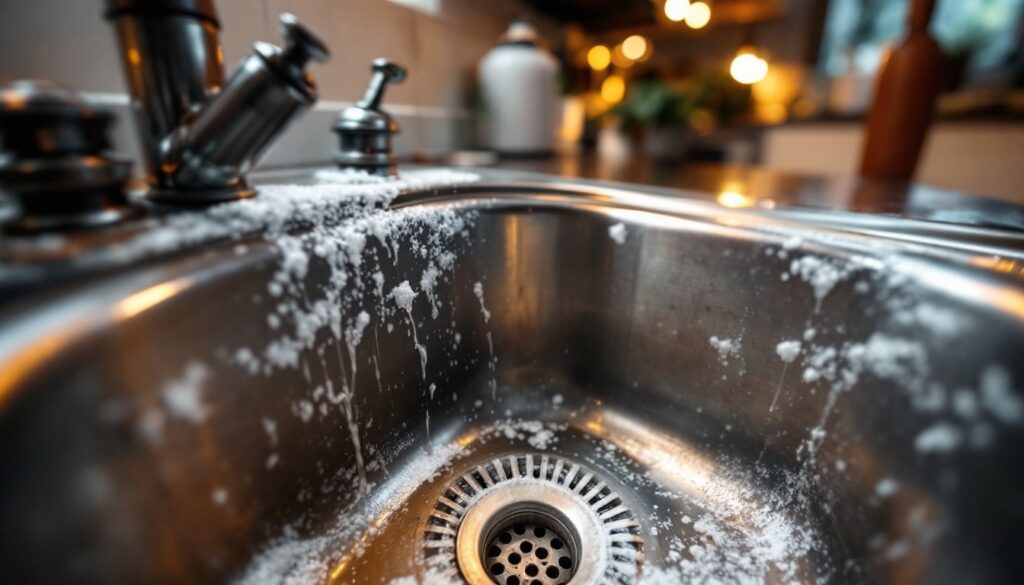
Don’t forget the sink: This is where many people make mistakes. Scrub the sink one more time with hot soapy water and a clean sponge (not the one used for cleaning), then rinse generously and dry. The sink is a food-contact zone and should feel completely clean before you wash dishes or prepare food in it.
Safety Tips to Follow Before Your Next Meal
Safety during and after deep cleaning protects both your immediate comfort and long-term health. These practices reduce risk and ensure your kitchen is genuinely ready for food preparation.
Wear proper PPE while cleaning: Use nitrile or latex gloves to prevent skin contact with chemicals. Wear safety goggles when cleaning overhead areas or using spray products to protect your eyes from splashes. For heavy-duty cleaners or bleach-based products, use a dust mask or respirator rated N95 or higher. This is non-negotiable if you have respiratory sensitivity or asthma. Ear protection isn’t required for cleaning, but good ventilation (opening windows and running exhaust fans) is.
Never mix cleaners: This is the most important safety rule. Mixing bleach and ammonia creates toxic chloramine gas, which causes serious respiratory damage. Mixing bleach with acids (vinegar, toilet bowl cleaners) also produces hazardous chlorine gas. Use one product, rinse thoroughly, and only then switch to another. Keep a checklist if you’re cleaning multiple areas.
Ensure adequate ventilation: Open all windows and doors during and for the full wait period after cleaning. Use bathroom and range hood exhaust fans continuously. Cross-ventilation (opening windows on opposite sides of the house) creates airflow that clears fumes faster than static open windows. For professional services, ask the company what ventilation they recommend: most suggest 2 to 4 hours of open windows.
Protect children and pets: Keep them out of the kitchen during cleaning and for the entire wait period. Don’t allow them to touch surfaces, countertops, or flooring until you’ve confirmed the area is safe. Young children and pets have lower body weight, so chemical exposure affects them more severely. Provide them with snacks in another room if they’re hungry during the wait.
Store cleaning products safely: According to home safety guides from Good Housekeeping, secure all cleaning chemicals in locked cabinets or high shelves away from food items and children’s reach. Never leave bottles open or partially used products sitting on counters. Properly sealed containers prevent accidental ingestion and cross-contamination.
Mark treated areas if necessary: If you’ve spot-treated specific surfaces with strong products, place a small sign or note nearby as a reminder not to prepare food there until the wait period is complete. This is especially helpful in busy households where multiple people use the kitchen.
Keep a cleaning log: Write down what products you used, when you applied them, and when the wait period ends. This prevents confusion, especially if different areas were cleaned at different times. For kitchens deep-cleaned by professionals, request documentation of products used and recommended wait times.