Drain clogs are one of those home problems that sneak up on you, a slow drain today becomes a backed-up sink tomorrow. For Omaha homeowners, the combination of mineral-heavy water, temperature swings, and typical household debris makes drain maintenance a practical necessity rather than a luxury. The good news is that many clogs are preventable or fixable with basic know-how, and you don’t always need to call a plumber. This guide walks you through the common culprits behind sluggish drains in Omaha, shows you hands-on techniques to try first, and explains when it’s time to bring in professional help. Whether you’re dealing with a kitchen sink or bathroom drain, you’ll learn the right approach for your situation.
Table of Contents
ToggleKey Takeaways
- Drain cleaning in Omaha is essential due to hard water minerals and temperature fluctuations that accelerate clogs and pipe deterioration.
- Start with simple DIY methods like boiling water, plunging, and baking soda-and-vinegar solutions before calling a professional.
- Hair, grease, and mineral deposits are the most common causes of clogs, but professional inspection is needed for multiple slow drains or sewage odors.
- A motorized auger, hydro-jet, or camera inspection from a licensed plumber can diagnose serious issues like root intrusion or main line blockages that DIY methods cannot fix.
- Preventive drain maintenance every few months using hot water and vinegar keeps mineral buildup at bay and saves money on emergency service calls.
Why Drain Maintenance Matters for Omaha Homeowners
Drain maintenance is often overlooked until something goes wrong, but staying on top of it saves money, prevents water damage, and keeps your home functioning smoothly. Omaha’s water hardness, caused by dissolved calcium and magnesium minerals, builds up inside pipes over time, narrowing the flow and creating the perfect environment for clogs to develop. This mineral accumulation happens faster in areas with hard water, and Omaha falls into that category.
Beyond hard water, Omaha’s weather also plays a role. Temperature fluctuations can cause pipes to shift slightly, and ground settling (common in Nebraska clay soil) can create low spots where debris collects. Routine drain cleaning prevents these issues from becoming emergencies that require emergency service calls at premium rates.
A clogged drain isn’t just an inconvenience, it’s a warning sign. If water backs up into your shower, kitchen, or laundry area, it can damage floors, walls, and cabinets. Addressing slow drains early, before they completely block, keeps your plumbing system healthy and your wallet happy.
Common Causes of Clogged Drains in Omaha Homes
Understanding what clogs your drains helps you prevent them in the first place. Hair is the #1 culprit in bathrooms, it combines with soap scum and other debris to form stubborn blockages. Kitchen drains struggle with grease, which hardens as it cools and traps food particles against the pipe walls. Omaha’s hard water makes this worse because mineral deposits stick to the waxy grease buildup.
Other common causes include:
- Soap residue and detergent buildup, especially from older, denser soaps
- Food waste and plant matter, particularly in kitchen and outdoor drains
- Mineral deposits (scale), accelerated by Omaha’s hard water conditions
- Tree roots, a serious issue in older Omaha neighborhoods where clay pipes were standard
- Foreign objects, like children’s toys, cotton swabs, or dental floss
- Deteriorating pipes, especially in homes older than 40–50 years
Root intrusion deserves attention because it’s not a DIY fix. Tree roots seek moisture and can crack, fracture, or completely block sewer lines. If multiple drains throughout your home are slow, or if you notice frequent backups, root intrusion is a possibility worth investigating with a professional camera inspection. That said, most household clogs stem from the first three categories and respond well to DIY methods.
DIY Drain Cleaning Methods You Can Try First
Before you call a professional, several proven techniques can clear minor to moderate clogs using items you likely already have at home. These methods are safe for most modern plastic and PVC pipes, though be cautious if your home has older cast iron or clay drain lines (more on that below).
Boiling Water and Plunging Techniques
The simplest approach is often the most effective. Boiling water alone can dissolve grease and light mineral buildup, especially if the clog is fresh. Bring a kettle to a rolling boil and carefully pour it directly down the drain. Wait a few minutes, then run hot (not boiling) tap water to flush it through. This works best for kitchen drains and sometimes clears a slow bathroom drain.
If boiling water doesn’t fully solve it, a plunger is your next step. Use a standard cup plunger (not a flange plunger, which is designed for toilets) and fill the sink or tub with enough water to cover the plunger cup. Block any overflow openings with a wet cloth, then plunge vigorously 15–20 times. The suction and pressure action dislodges debris and can break up soft clogs. For double sinks, block the other drain while plunging one side to create proper pressure.
Wear safety glasses, splashing drain water isn’t pleasant, and work over a sink or tub to catch overflow. If the clog is stubborn, you may need to repeat this a few times over several hours.
Baking Soda and Vinegar Solutions
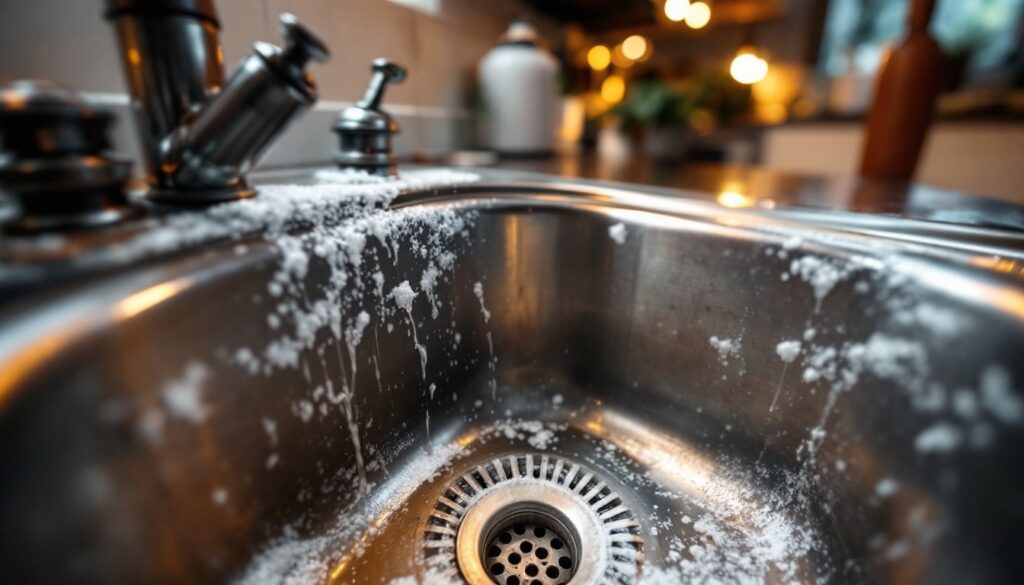
This combination is a safe, non-toxic alternative to harsh chemical drain cleaners. It works through a gentle fizzing action that helps break up light clogs and rinse away debris. Here’s how to use it:
- Remove any standing water from the sink or tub using a cup or wet vac.
- Pour ½ cup of baking soda directly down the drain.
- Follow with 1 cup of white vinegar (the reaction is immediate and dramatic, that’s normal).
- Cover the drain opening with a plug or cloth to keep the fizz working inside the pipe, not up and out.
- Let it sit for 15–30 minutes.
- Flush with a kettle of hot water.
Repeat once or twice if the drain is still slow. This method is particularly good for bathroom drains clogged with hair and soap residue, and it’s safe for septic systems. You’ll want to wear rubber gloves to avoid irritating your skin with vinegar.
For tougher clogs, a manual drain snake (also called a plumbing auger or hand auger) is an affordable next step. These are available at hardware stores for $15–$40 and work by mechanically breaking through clogs. Feed the snake into the drain, turn the handle to spin and dislodge debris, and pull it back out. Be gentle to avoid scratching the inside of pipes. This method is less safe for very old pipes but effective on most modern drains.
Chemical drain cleaners (sodium hydroxide or sulfuric acid products) are tempting but problematic. They’re caustic, dangerous to handle, and can damage older pipes if you’re not careful. If DIY methods fail, professional cleaning is safer and often more effective.
When to Call a Professional Drain Cleaner in Omaha
Some situations call for professional expertise. If your drain doesn’t respond to plunging, baking soda-and-vinegar, or a hand snake after two or three attempts, it’s time to call a licensed plumber or drain service.
You should definitely contact a professional if:
- Multiple drains in your home are slow or backing up (sign of a main line blockage or root intrusion).
- Water is backing up into your toilet, shower, or laundry area (indicates a sewer line issue).
- You smell sewage odors inside or outside your home.
- Your home is older (pre-1970) and you haven’t had the main line inspected (clay and cast-iron pipes deteriorate and need assessment).
- You suspect tree roots are involved (requires a camera inspection and possibly trenchless repair).
- Previous DIY attempts haven’t worked and the clog is blocking normal water flow.
Omaha professionals use equipment like motorized drain augers (much more powerful than hand snakes), hydro-jets (high-pressure water spray that clears mineral buildup and light roots), and video inspection cameras. A camera inspection costs $150–$300 but pinpoints the exact problem, saving money on unnecessary guesswork. This is invaluable if you’re considering buying an older home or if your drains are frequently problematic.
For cost estimates and contractor reviews, top drain cleaning companies in Omaha, NE maintain verified ratings and customer feedback. You can also compare pricing and find local plumbers using HomeAdvisor’s cost estimator and contractor matching tools, which helps you understand regional rates and typical fees for your area.
If you’re dealing with persistent drainage issues or want to understand the full scope of repair options, many professionals offer free phone consultations. Be clear about which drains are affected, how long the problem has persisted, and whether this is a first occurrence or recurring issue. A good contractor will diagnose before quoting a price.
For hands-on step-by-step guidance on plumbing fixes and drain maintenance, DIY repair tutorials on drain cleaning and maintenance cover techniques in detail and often include video demonstrations. These resources complement professional advice and help you understand what a contractor is recommending.
Another consideration: if your home’s main sewer line is damaged, a plumbing permit may be required in Omaha. Check with your city’s development services office before starting any major drain work. Permits ensure the job meets code and protects your home’s resale value.
Conclusion
Drain clogs are frustrating, but most respond well to simple, affordable techniques. Start with boiling water and plunging, graduate to baking soda and vinegar if needed, and reach for a hand snake if those don’t work. Omaha’s hard water and older home infrastructure make preventive maintenance worth the effort, clean drains every few months using hot water and vinegar to keep mineral buildup at bay. When a clog resists your efforts or multiple drains are affected, calling a professional is the right move. A licensed plumber can diagnose issues you can’t see and carry out solutions that last, saving you money and stress in the long run.