A clogged air conditioning drain line is one of those sneaky home problems that catches homeowners off guard. You’re enjoying cool air one day, and the next you’re staring at water pooling around your indoor AC unit or noticing musty smells wafting through your home. The good news? Cleaning your AC drain line is a straightforward DIY task that takes maybe 30 minutes and costs almost nothing. Better yet, regular maintenance prevents expensive damage to your AC system and keeps your home comfortable. This guide walks you through exactly how to identify a problem, clean the line yourself, and stay ahead of future blockages.
Table of Contents
ToggleKey Takeaways
- Cleaning your AC drain line is a 30-minute DIY task that prevents thousands of dollars in water damage and keeps your system running efficiently.
- Common signs of a clogged AC drain line include water pooling around the unit, musty smells, water stains, and sudden cooling failures despite the unit running.
- Clear blockages by flushing with hot water, using a wire brush or plumbing snake, and treating with white vinegar to kill algae and bacteria that cause clogs.
- Perform preventive AC drain line maintenance monthly during cooling season by pouring vinegar down the drain and annually before spring to avoid future problems.
- Stop DIY cleaning attempts if the clog resists after 20 minutes or the pipe shows cracks, and contact an HVAC professional to prevent system damage.
Why Your AC Drain Line Matters
Your air conditioning system removes moisture from the air, that’s half of what it does. As warm air passes over cold evaporator coils inside your unit, water condenses, the same way dew forms on grass. That condensation needs to drain somewhere, and that’s where your AC drain line comes in.
The drain line is a small-diameter plastic or metal pipe that carries this water away from your indoor AC unit, typically down to a floor drain, laundry area, or outside. When it works, you don’t think about it. When it clogs, water backs up into your system or pools around the unit. Water damage to walls, ceilings, or flooring adds up fast, we’re talking thousands of dollars in repairs. Beyond the obvious water damage, a blocked drain line forces your AC to work harder, shortens its lifespan, and can trigger a safety shutoff on newer systems, leaving you without air conditioning on the hottest days of the year.
Signs Your AC Drain Line Needs Cleaning
A few telltale signs tell you it’s time to act. The most obvious is water pooling around your indoor AC unit, usually near a closet or attic where the air handler sits. You might also notice water stains on walls or ceilings below the AC unit, or a musty, moldy smell coming from vents, that’s bacteria growing in backed-up water.
Some homeowners hear a gurgling sound from the unit, similar to a clogged drain in your kitchen sink. In summer, if your AC suddenly stops cooling but the unit runs, a clogged drain line often triggers a safety shutoff. If you see any of these, your AC drain line is likely blocked and needs attention now, not next month. Catching it early prevents water damage and keeps your unit running efficiently.
What You’ll Need to Get Started
Cleaning an AC drain line doesn’t require specialized equipment. Gather these items before you start:
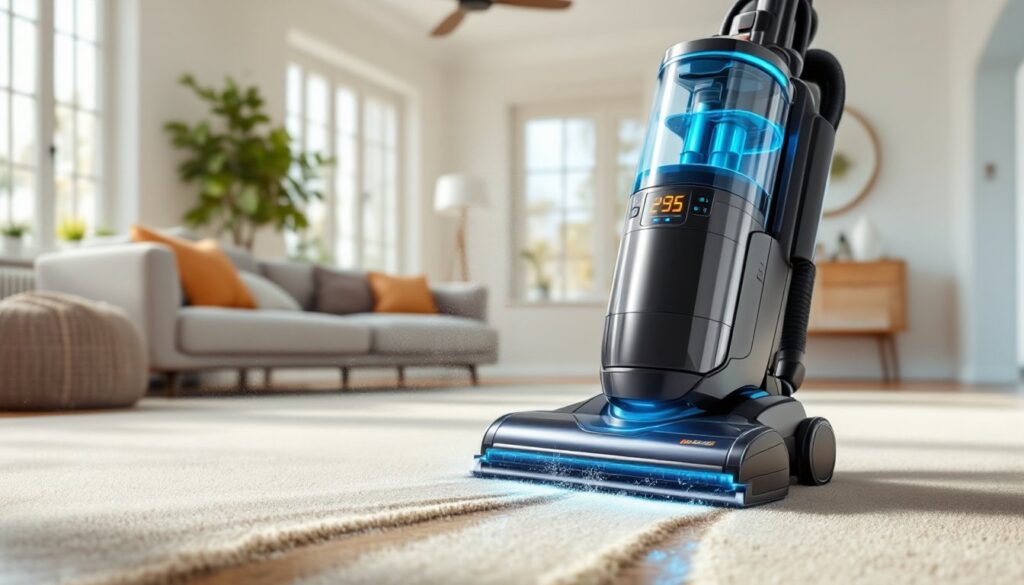
• Wet/dry shop vacuum (optional but very helpful for pulling out stubborn clogs)
• Stiff wire brush or plumbing snake (6-8 feet long)
• White vinegar (distilled white vinegar works best)
• Hot water (from your tap)
• Bucket or pan (to catch water and debris)
• Pipe wrench or adjustable wrench (if you need to remove fittings)
• Work gloves and safety goggles (drain lines accumulate mold and bacteria)
• Straightened coat hanger or drain cleaning wire (budget alternative if you don’t have a proper snake)
You probably have half these items already. Vinegar costs a few bucks, and a basic drain snake runs $10–20 at any home improvement store. Skip expensive chemical drain cleaners, they’re overkill for an AC drain line and can damage plastic piping.
Step-by-Step Guide to Cleaning Your AC Drain Line
Locate and Inspect the Drain Line
First, find your drain line. Your indoor AC unit (the air handler) is usually in an attic, basement, or closet. Look for a small plastic or metal pipe, roughly ¾ inch to 1 inch in diameter, running down from the unit. It often has a slight slope to help water flow. Trace it to where it empties, typically a floor drain, condensate pump, or outside near your home’s foundation.
Before diving in, turn off your AC system at the thermostat. This prevents water spray and protects the unit. Now, visually inspect the drain line opening. If you see algae, mold, or a web of gunk, you’ve found your culprit. The drain line sits in warm, dark conditions, a perfect breeding ground for algae and bacteria. This buildup is the most common cause of clogs, far more likely than a leaf or debris blockage.
Clear the Blockage
Start by flushing the drain line with hot water. Pour a bucket of hot (not boiling, it can crack plastic pipes) water slowly down the opening where the line leaves the unit. If water flows through freely, you’re done: the line just needed a rinse. If it backs up or drains slowly, you have a genuine clog.
Next, disconnect the drain line if possible. Many units have a removable section near the air handler, secured with a clamp or band. Loosen the clamp with a wrench and gently pull the pipe free. Place a bucket underneath to catch any water. Now feed a stiff wire brush or plumbing snake down the line, working slowly and twisting gently as you push. You’re trying to break up the buildup, not puncture the pipe. If the clog is stubborn, you can also use a wet/dry shop vacuum to pull it out, place the hose over the line opening and turn it on. Vacuums work surprisingly well for removing sludge.
Once the blockage clears, flush the line thoroughly with hot water mixed with white vinegar (roughly equal parts). Vinegar kills algae and bacteria, preventing quick re-clogging. Pour the mixture slowly and let it sit for 30 minutes if possible, then flush with plain hot water. Reattach the drain line, tighten the clamp, and turn your AC back on.
If the clog won’t budge after 20 minutes of effort, or if the pipe is cracked or corroded, stop. You’ve likely hit the limit of a DIY fix. A professional HVAC technician can use compressed air or specialized equipment to clear stubborn clogs, and they’ll assess whether the line needs replacement. Don’t force it and risk damaging a functional system.
Maintenance Tips to Keep Your Drain Line Clear
The best fix is prevention. Schedule a drain line cleaning once a year, ideally before cooling season starts in spring. If you live in a humid climate or notice your unit works year-round, check it every six months.
Pour a cup of white vinegar down the drain line opening once a month during the cooling season. This kills algae before it builds up and costs nothing. Some people install a drain line float switch, a small safety device that triggers if water backs up, shutting down the AC before damage occurs. They cost $20–50 and are worth it for peace of mind, especially if you travel or aren’t home regularly.
Keep the outdoor drain opening clear of leaves and debris. If your line runs outside, make sure nothing blocks the exit. Clean or replace your AC filter every 1–3 months, depending on dust levels in your home. A clogged filter forces your AC to work harder and can accelerate drain line buildup.
For a more comprehensive understanding of drain cleaning options and when to call a professional, many homeowners find that cheapest drain cleaning services provide insight into what professional work costs. Understanding the cost difference motivates many to keep up with basic maintenance themselves. Resources like Family Handyman offer additional step-by-step methods, and Today’s Homeowner maintains seasonal maintenance checklists that remind you when drain cleaning falls due. If you’re tackling other home maintenance tasks, The Spruce has comprehensive guides covering everything from cleaning to repairs.