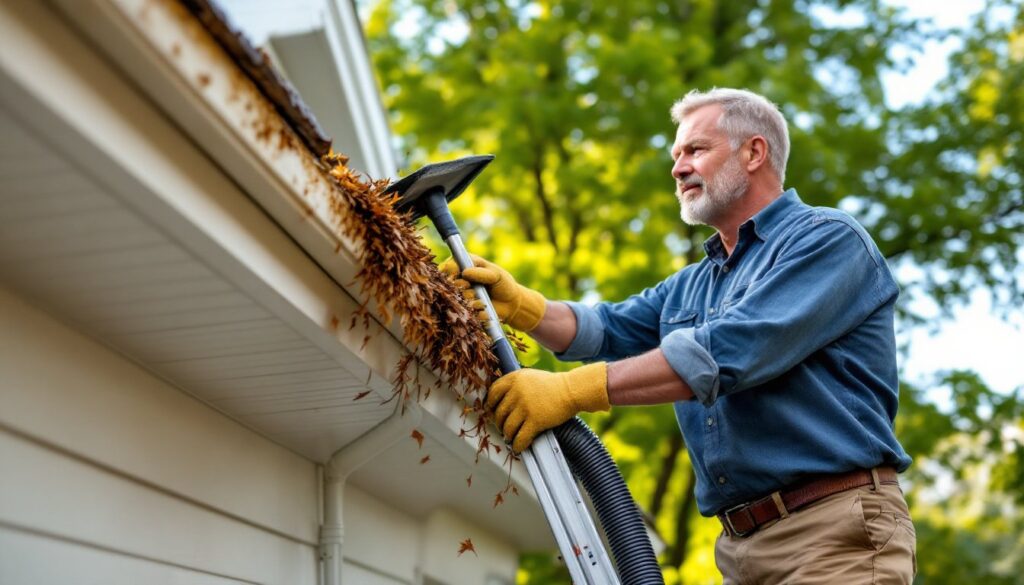
Atlanta’s warm, humid climate and older drainage infrastructure create unique challenges for homeowners dealing with clogged drains. Red clay soil, tree roots seeking moisture, and aging pipes combine to make drain cleaning in Atlanta more frequent than in many other regions. Whether you’re facing a slow-draining sink or a backed-up toilet, understanding what causes Atlanta’s specific drainage issues, and knowing when to DIY versus calling a pro, can save you time, money, and frustration. This guide walks you through the signs of a clogged drain, practical cleaning methods you can try yourself, and the threshold for bringing in a professional drain cleaner.
Table of Contents
ToggleKey Takeaways
- Atlanta’s red clay soil, tree roots, and humid climate create frequent drain cleaning challenges that homeowners should address early to prevent expensive backups.
- Watch for warning signs like slow draining, gurgling sounds, multiple drains backing up simultaneously, and foul odors—these indicate when drain cleaning in Atlanta is necessary.
- DIY methods including plungers, drain snakes, baking soda and vinegar, and enzyme-based cleaners can resolve minor blockages, but avoid caustic chemicals on older pipes built before 1975.
- Professional drain cleaning is essential for main sewer line clogs, suspected tree root intrusion, sewage odors, or water pooling, with costs ranging from $125–$300 for routine clearing to $1,000–$5,000+ for sewer line work.
- Preventive maintenance—installing drain screens, never pouring grease down drains, and scheduling camera inspections every 3–5 years—saves thousands in emergency repairs over time.
Why Atlanta Drains Require Special Attention
Atlanta’s geology and climate work against your plumbing in specific ways. The region sits on red clay soil, which is dense and prone to shifting, especially during wet winters and dry summers. This movement stresses drain pipes and can cause cracks or misalignments, even in newer homes.
Another culprit is the abundance of large trees. Oak, pine, and maple roots are naturally drawn to the moisture and nutrients in sewer lines. Over time, they penetrate pipes, create blockages, and can collapse entire sections of drainage. If your home was built before the 1980s, your sewer line may still use clay or cast-iron pipes, which are more vulnerable to root intrusion than modern PVC.
Humidity and temperature swings also accelerate mineral buildup and grease hardening inside pipes. What might be a minor slow drain in a drier climate can become a full blockage in Atlanta within weeks.
Signs Your Atlanta Drain Needs Cleaning
Catching a drainage problem early prevents expensive backups. Watch for these red flags:
Slow draining. Water takes more than a few seconds to leave your sink, shower, or tub after you turn off the tap. This often signals a partial blockage further down the line.
Gurgling sounds. If drains or toilets make gurgling or bubbling noises, air is trapped in the pipes because water can’t flow freely. It’s one of the first warnings before a full clog.
Multiple drains backing up at once. A single slow sink might just need a plunger, but if your kitchen sink, bathroom sink, and shower all slow simultaneously, the main drain or sewer line is likely clogged.
Unpleasant odors. Stagnant water and decaying organic matter smell terrible. If drains smell foul even though cleaning, a significant blockage is trapping debris.
Water pooling around drains or outdoor catch basins. Standing water near floor drains or cleanout caps suggests the sewer line is completely or nearly blocked.
In Atlanta specifically, if the problem worsens after heavy rain, suspect tree root intrusion or clay soil settlement rather than simple grease buildup.
DIY Drain Cleaning Methods That Work
Using Plungers and Manual Tools
A cup plunger (the rubber dome kind) works best on sinks and tubs: a flange plunger (with the extra rubber extension) is designed for toilets. Fill the basin with enough water to cover the plunger cup, block the overflow hole with a wet rag, and pump vigorously 15–20 times. The rapid pressure change dislodges many partial clogs.
For stubborn blockages, a drain snake or hand auger (typically 25–50 feet long) is your next step. Feed it slowly into the drain, turning the handle as it advances. When you hit resistance, twist and push to break through the clog, then reverse the crank to pull out debris. Rent a motorized drain snake from a tool rental center for about $40–60 per day if a manual one isn’t enough.
Wear nitrile gloves during this work, you’ll encounter hair, grease, and organic matter. Old drain pipes may contain asbestos, so if your home was built before 1975, avoid power tools that could aerosolize fibers.
Natural Solutions and Chemical Cleaners
Baking soda and vinegar is a gentler first line. Pour ½ cup of baking soda down the drain, follow with ½ cup of white vinegar, cover the drain, wait 30 minutes, and flush with boiling water. It won’t clear severe blockages, but it helps dissolve minor buildup and freshen drains.
Commercial caustic drain cleaners (like sodium hydroxide products) generate heat and dissolve organic matter quickly. Follow the label strictly: wear eye protection and chemical-resistant gloves, never add water to the cleaner, and ensure excellent ventilation. These products work on grease and hair but won’t budge mineral deposits or tree roots. The caustic fumes are harsh, so consider this a last resort before calling a professional.
Alternatively, enzyme-based drain cleaners break down organic material over 24 hours with less risk than caustics, though they’re slower. For Atlanta’s environment, avoid pouring grease down any drain, it solidifies in the cooler clay pipes and creates stubborn blockages that require professional removal.
When to Call a Professional Drain Cleaner in Atlanta
Some situations demand professional expertise. Multiple drain backups at once, sewage smell from floor drains or yard, or water pooling near your foundation all point to a main sewer line clog, beyond DIY scope. Clearing this requires either a motorized snake, a hydro-jet (high-pressure water system), or professional diagnosis to rule out collapsed pipes.
If you suspect tree root intrusion, a professional will use a video camera to inspect the line and confirm damage before attempting removal. Roots can’t always be snaked out: sometimes the affected section of pipe needs excavation and replacement, which requires a permit and licensed plumber. The cheapest drain cleaning service in Atlanta ranges from $125–$300 for a routine drain clearing, but sewer line work costs $1,000–$5,000+ depending on depth, material, and access.
According to drain cleaning cost data for Atlanta, factors like property age, soil type, and complexity drive pricing. When in doubt, get a camera inspection and a written estimate before committing. Also check whether your homeowner’s insurance covers sewer line damage, some policies do, which can offset costs significantly.
Preventive Maintenance Tips for Long-Term Drain Health
An ounce of prevention saves hundreds in emergency calls. Install drain screens in kitchen and bathroom sinks to catch hair, food scraps, and soap residue. Clean them weekly.
Never pour grease, oil, or fat down any drain. Let it cool, solidify, and toss it in the trash. Even “flushable” wipes don’t break down: use the trash instead.
Run hot water for 30 seconds after using your sink to help flush debris toward the sewer. Once monthly, pour boiling water down drains to dissolve light grease buildup.
For Atlanta homes with large trees nearby, have a sewer line camera inspection every 3–5 years. Early detection of root damage or pipe cracks prevents catastrophic failures. A routine inspection costs $200–$400 and often saves thousands in emergency repairs.
When using commercial drain cleaners, respect their limitations, caustics won’t remove mineral deposits, and enzymes won’t budge solid blockages. Misuse can damage old pipes or create false confidence that a problem is solved when it’s only masked.
Resources like HomeAdvisor and Family Handyman offer detailed plumbing guides and contractor reviews if you need professional help. Regular drain maintenance and catching problems early keep your Atlanta home’s plumbing flowing smoothly year-round.