Sacramento’s hard water and climate create a perfect storm for drain clogs. If you’re dealing with slow-draining sinks, backed-up showers, or stubborn toilet issues, you’re not alone, it’s practically a rite of passage for homeowners in the region. The good news is you’ve got options. Some clogs respond well to basic DIY techniques, while others demand professional attention. This guide walks you through when to grab a plunger, when to try a drain snake, and most importantly, when to call in a licensed plumber. We’ll cover the specific challenges Sacramento drains face, safe methods to clear them yourself, and strategies to keep your pipes flowing freely for years to come.
Table of Contents
ToggleKey Takeaways
- Sacramento’s hard water and climate create ideal conditions for drain clogs, but understanding the root causes helps you prevent and address them effectively.
- DIY methods like plunging, drain snakes, and baking soda-vinegar treatments can resolve simple drain cleaning issues, but professional hydro-jetting works best for Sacramento’s stubborn mineral scale.
- Call a licensed plumber if DIY attempts fail, you notice sewage smells, multiple drains clog simultaneously, or your home has fragile cast iron or clay pipes that risk damage from aggressive snaking.
- Prevention is your strongest defense: install mesh screens, never pour grease down drains, run hot water after dishes, and clean drain strainers weekly to keep Sacramento drains flowing freely.
- A whole-house water softener ($1,500–$3,000) reduces calcium and magnesium buildup throughout your plumbing and can pay for itself within 5–7 years through fewer repairs and energy savings.
Why Sacramento Drains Get Clogged: Hard Water and Climate Factors
Sacramento’s water is notoriously hard, meaning it’s loaded with dissolved minerals, primarily calcium and magnesium. Over time, these minerals accumulate inside your pipes, creating scale buildup that narrows the pipe diameter and traps hair, soap scum, and food debris. It’s a compounding problem: the harder your water, the more scale forms, and the easier it becomes for ordinary household waste to jam things up.
The region’s climate adds another layer of trouble. Sacramento summers are brutally hot and dry, while winters bring occasional heavy rains. This temperature swing can shift your soil, stressing underground drain lines and causing cracks or settling. The stress on your pipes combined with hard water deposits makes Sacramento homes particularly vulnerable to chronic drain problems compared to areas with softer water supplies.
Inside your house, kitchen sink drains suffer most. Grease cools and solidifies in the lines, mixing with hard water scale and food particles to form stubborn blockages. Bathroom drains get clogged by hair wrapping around soap residue and mineral deposits. Toilet drains, by contrast, typically clog from flushing non-flushable items or excessive toilet paper, less a Sacramento issue and more a household discipline problem.
DIY Drain Cleaning Methods You Can Try at Home
Plunging and Snake Techniques
For a single slow drain, start simple: the plunger. A cup plunger works for sinks: for toilets, you’ll want a flange plunger with the extended rubber cup. Fill the sink or tub with enough water to cover the cup completely, seal all overflow holes with a wet cloth, and plunge vigorously for 15-20 seconds. Do this several times. The suction and pressure can dislodge shallow clogs caused by hair or soap buildup.
If plunging fails, a drain snake (also called a plumbing auger) is your next move. Manual snakes cost $15–$40 and work by breaking up clogs with a rotating coil or hook. Feed the snake slowly into the drain while cranking the handle. When you feel resistance, work the snake back and forth to break apart the blockage, then slowly retract. For tougher clogs, a motorized drain auger ($100–$300 to buy, $40–$80 to rent) provides more power but requires caution, they can damage old pipes if forced.
Wear nitrile gloves always: drain contents aren’t sanitary. If you’re working with a snake, also wear safety glasses in case debris kicks back out.
Natural Drain Cleaners and Chemical Alternatives
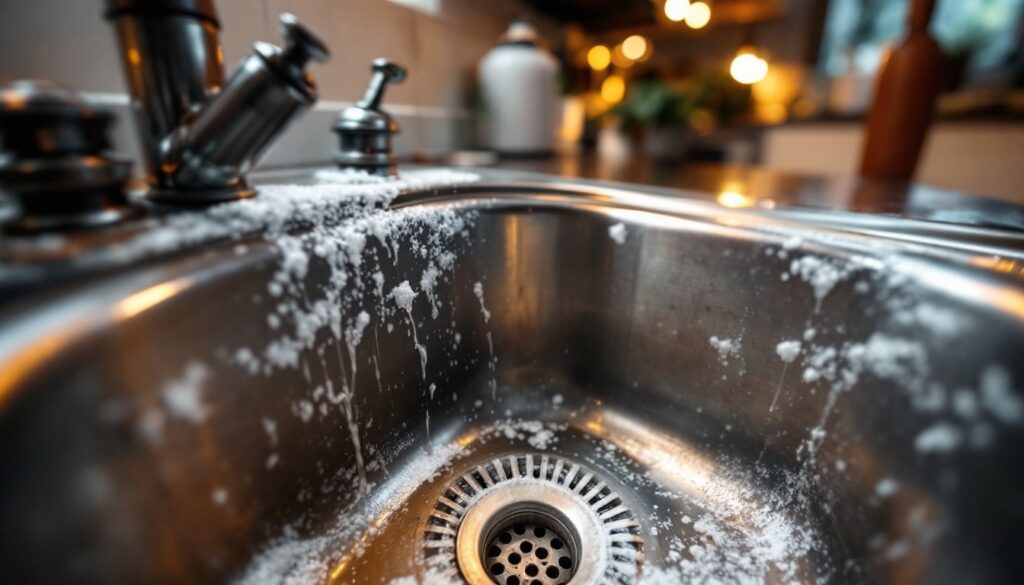
Before reaching for harsh chemicals, try the baking soda and vinegar method. Pour ½ cup of baking soda down the drain, followed by ½ cup of white vinegar. Cover the drain and let it sit for 15–30 minutes, the fizzing action can break up soft clogs. Flush with hot water. It’s gentler on pipes and the environment, though less effective on hardened scale or grease.
If you choose chemical cleaners, understand what you’re using. Liquid caustic drain cleaners (like sodium hydroxide) work fast on organic clogs but are dangerous: they generate heat and can splash. Sulfuric acid cleaners are stronger but even riskier for DIYers and old pipes. Always wear chemical-resistant gloves, eye protection, and ensure ventilation. Never mix different drain cleaners, chlorine and ammonia create toxic gas.
For Sacramento’s hard water scale, chemical cleaners are often less effective than mechanical removal. If you’ve got recurring scale buildup, a professional with hydro-jetting equipment or a water softener installation may be a better long-term investment.
When to Call a Professional Drain Cleaning Service
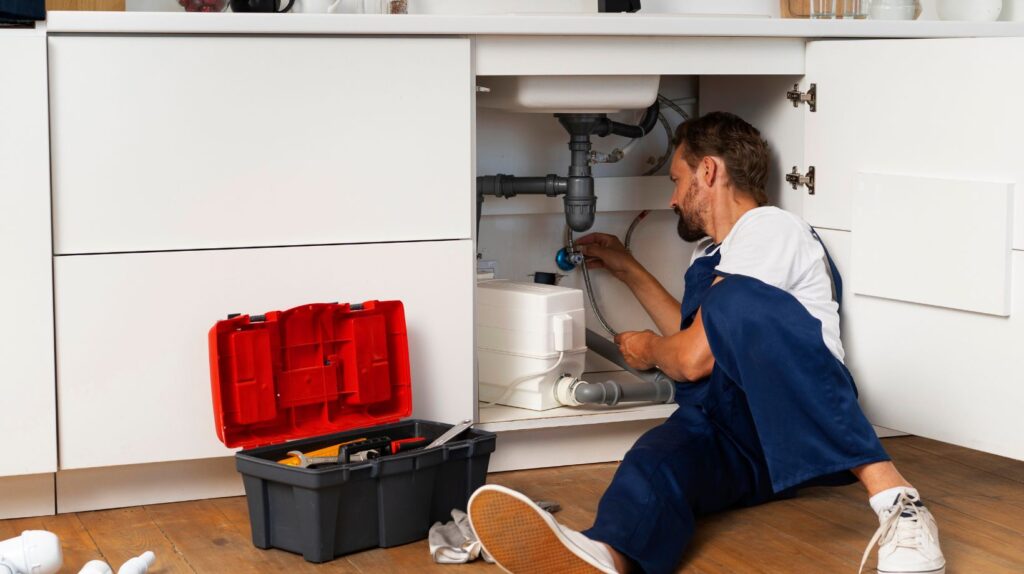
Call a professional if your DIY attempts fail after two or three tries, or if you notice any of these red flags: sewage smell in your yard, multiple drains clogging simultaneously, gurgling sounds from pipes, or water backing up into lower fixtures (like sewage surfacing in your basement). These signs point to problems deeper than a single trap or branch line, possibly a main line blockage or structural issue.
Also call a pro if you’re unsure about your home’s plumbing layout. Old Sacramento homes sometimes have cast iron or clay drain lines that are fragile: aggressive snaking can crack them. A licensed plumber can inspect with a camera scope ($200–$400) to see exactly what’s happening inside your pipes before attempting removal.
Professionals use hydro-jetting, which blasts pressurized water (up to 4,000 PSI) through pipes to scour away scale, grease, and roots. It’s faster and more thorough than snaking, costs $300–$600 typically, and is safe for modern PVC pipes. For hard water scale specifically, hydro-jetting outperforms chemical cleaners.
Research local options by checking top drain cleaning services in Sacramento on Angi’s network or using HomeAdvisor’s contractor matching tools to compare licensed plumbers in your area. Get at least two quotes before deciding. Verify licensing and insurance, California requires a Contractor’s License for plumbing work.
Preventing Drain Clogs: Maintenance Tips for Sacramento Homes
Prevention beats emergency plumbing calls every time. In the kitchen, never pour grease down the drain, let it cool in a container and throw it in the trash. Install a mesh drain screen ($3–$8) in your sink to trap food particles before they enter the pipes. Run hot water for 30 seconds after doing dishes: in Sacramento’s hard water, hot water helps dissolve residual oils before they solidify.
For bathrooms, place a drain strainer over every shower and tub drain to catch hair. Hair is often the culprit in secondary drain clogs. Clean the strainer weekly. Once a month, pour boiling water down drains (except plastic PVC pipes in older homes, use hot tap water instead) to help flush minor buildup.
Consider a whole-house water softener if you’re serious about fighting Sacramento’s hard water. A softener removes calcium and magnesium, reducing scale formation throughout your home. Installation runs $1,500–$3,000, but it extends the life of your plumbing, water heater, and appliances. Some homeowners see payback through energy savings and fewer repair calls within 5–7 years.
Schedule a professional drain cleaning every 1–2 years if you have a history of clogs. This is especially true for homes with large families or older plumbing systems. A licensed plumber can spot early warning signs, like slight backups, before they become emergencies. You might also explore resources like Family Handyman’s plumbing maintenance guides for additional preventive strategies, or check the cheapest drain cleaning service options in your region to budget for routine maintenance.
Conclusion
Sacramento’s hard water and climate make drain clogs a recurring headache for most homeowners, but they’re not inevitable. Start with basic tools, a plunger and a manual snake, and progress to natural or chemical methods if needed. Know your limits: structural issues, recurring blockages, and main line problems belong in a professional’s hands. Prevention through proper disposal habits, strainers, and occasional maintenance keeps most Sacramento drains flowing freely. When clogs do strike, you now know exactly where to start and when to call a licensed plumber.