A clogged drain isn’t just an inconvenience, it’s a wake-up call that something needs attention. Whether you’re dealing with a slow kitchen sink, a backed-up shower, or a yard drainage problem, Orange County drain cleaning issues affect nearly every homeowner eventually. The good news? You don’t always need to call a professional plumber on day one. Many common drain problems can be tackled with tools and methods you likely already have at home. This guide walks you through practical DIY solutions, the right tools to keep on hand, and the clear signals that it’s time to bring in a licensed professional. You’ll learn what causes drains to fail in Orange County’s climate and how to prevent problems before they cost you serious money.
Table of Contents
ToggleKey Takeaways
- Orange County drain cleaning problems are often solvable with DIY methods like plunging, baking soda and vinegar, or a drain snake before calling a professional plumber.
- Understand the difference between minor localized clogs (single slow drain) and serious main sewer line issues (multiple drains backing up) to know when professional help is essential.
- Orange County’s coastal climate and mineral-rich water cause faster pipe corrosion and hard water buildup, making preventive maintenance like mesh strainers and monthly baking soda-vinegar treatments particularly important.
- Avoid caustic chemical drain cleaners as they damage older pipes and pose safety risks; enzymatic cleaners or mechanical tools are safer alternatives for Orange County homeowners.
- Install drain strainers, never pour grease down drains, and have your main sewer line professionally inspected every 3–5 years to prevent expensive emergency repairs.
Understanding Common Drain Problems in Orange County
Orange County’s coastal and semi-arid climate creates specific drainage challenges that inland homeowners might not face. Salt air can corrode older metal pipes, while mineral-rich water from local sources leaves buildup inside lines. Hard water deposits accumulate faster here than in softer-water regions, creating stubborn clogs that simple plunging won’t fix.
Most drain clogs fall into a few predictable categories. Hair tangles with soap scum in bathroom drains, typically forming a fibrous mass just below the strainer. Kitchen drains suffer from grease accumulation, cooking oil cools and solidifies as it moves through pipes, especially in the drain trap where flow naturally slows. Roots invading sewer lines are less common in urban Orange County but still occur in older neighborhoods with large trees.
You’ll recognize a problem drain quickly: water drains slowly or not at all, you hear gurgling when flushing, or you notice a foul smell. A single slow drain usually means a localized clog. Multiple drains backing up simultaneously suggests a main sewer line issue, which requires professional equipment and expertise. Understanding the difference between a nuisance clog and a serious problem will save you time and money.
DIY Drain Cleaning Methods That Actually Work
Using a Plunger Effectively
A simple plunger remains one of the most reliable drain-clearing tools, but most homeowners use it wrong. You need a cup plunger (flat bottom) for sinks and tubs, not the flanged type designed for toilets. Fill the sink with enough water to cover the plunger cup completely, this creates the seal necessary to generate suction.
Place the plunger directly over the drain opening and push down and pull up vigorously for 15-20 seconds, maintaining a tight seal. You’re not trying to dislodge the clog with force: you’re creating pressure waves that break apart the blockage. If the drain remains slow after five or six attempts, move on to another method rather than wearing yourself out.
For shower drains, you may need to block the overflow hole (the small opening near the rim) with a wet cloth to create sufficient suction. If you have a bathtub with a pop-up stopper, pull or flip it to fully open the drain passage.
The Baking Soda and Vinegar Approach
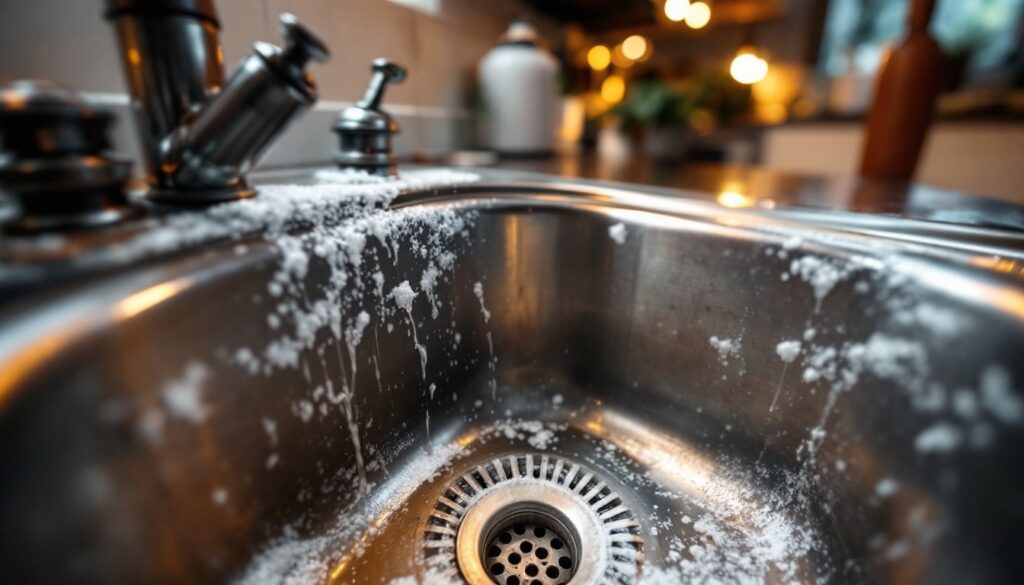
This non-toxic method works surprisingly well for minor clogs and buildup. Pour ½ cup of baking soda directly into the drain, followed by ½ cup of white vinegar. The chemical reaction creates fizzing action that helps break apart hair and soap residue clinging to pipe walls.
Cover the drain opening with a wet cloth or stopper for 15-30 minutes to keep the reaction contained inside the pipe. Then flush with a kettle of boiling water (be careful not to splash yourself). This approach won’t clear stubborn clogs but does help with slow drains and prevents odors. Repeat monthly as preventive maintenance.
For tougher buildup, let the baking soda sit in the drain for several hours or overnight before adding vinegar. You can also use a drain snake (discussed below) to physically pull out hair after the baking soda-vinegar treatment softens the clog.
Tools and Products for Homeowner Drain Maintenance
A few inexpensive tools make drain cleaning much easier and give you confidence to handle problems yourself. A drain snake (also called a plumbing auger) is the workhorse, a flexible metal coil with a crank handle that you feed into the drain to break up or hook out hair clogs. Manual drain snakes cost $15–$40 and work well for bathroom drains. Motorized versions run $100+ but aren’t necessary for most homeowners.
Keep a drain cleaning brush, a long handle with stiff bristles, for clearing buildup inside pipes. These cost under $10 and are gentler on pipes than aggressive snaking. A wet/dry vacuum can actually suck out clogs if you seal the drain opening properly, though it’s messier than other methods.
For chemical assistance, enzymatic drain cleaners (containing natural bacteria) dissolve organic matter safely over 8–12 hours and won’t damage pipes like harsh caustic drain cleaners do. Avoid caustic products like sulfuric acid or sodium hydroxide, they’re dangerous to handle, emit toxic fumes, and can damage older pipes. If you must use any chemical product, wear nitrile gloves, eye protection, and ensure good ventilation.
You can also family handyman guides for plumbing fixes to learn detailed tutorials on using these tools correctly. Having these items on hand means you’ll rarely need emergency plumber calls for minor clogs.
When to Hire a Professional Drain Cleaning Service
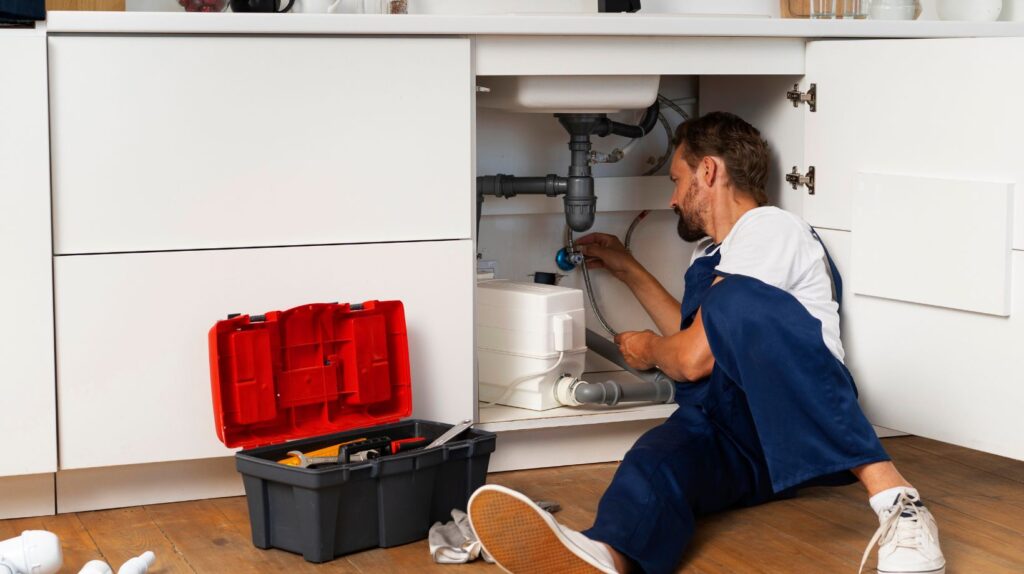
Some situations demand professional expertise and equipment you don’t have. If multiple drains back up simultaneously, you likely have a main sewer line blockage, a serious problem requiring a video camera inspection and possibly hydro-jetting (high-pressure water cleaning) that only licensed plumbers can safely operate.
Call a pro immediately if you suspect a ruptured or collapsed sewer line, signs include sinkholes in your yard, persistent sewage odors, or unusually wet spots near your foundation. These issues affect your entire home’s plumbing system and often require digging and pipe replacement.
You’ll also want professional help if a clog keeps returning to the same spot even though multiple DIY attempts, this suggests tree roots, mineral deposits, or pipe misalignment that a snake alone won’t solve permanently. If a drain hasn’t responded to plunging and enzymatic treatments within a few days, professional service is cheaper than weeks of fighting it yourself.
When choosing a service, check Orange County drain to compare ratings and pricing. Get at least two quotes before committing, pricing varies widely depending on drain depth, clog severity, and location. A video inspection (usually $150–$300) shows you exactly what you’re paying to fix and protects you from overcharging.
Preventing Future Drain Issues
Preventing clogs is far cheaper than clearing them. Install mesh drain strainers in all sink and tub drains to catch hair and debris before they enter pipes, these cost a few dollars and save hours of hassle. Clean strainers weekly by pulling out accumulated hair.
Never pour cooking grease down the drain. Let grease cool and solidify, then throw it in the trash (or save it for a compost bin). Wipe greasy pans with paper towels before washing. Even “flushable” wipes aren’t truly drain-safe, stick to toilet paper only.
Run hot water through kitchen drains weekly to help dissolve minor grease buildup. For bathrooms, use the baking soda and vinegar method monthly as preventive maintenance. Avoid harsh chemical drain cleaners even for minor slowness: they damage pipes over time.
Have your main sewer line professionally inspected every 3–5 years, especially if your home is over 40 years old. HomeAdvisor’s cost estimators help you budget for routine plumbing maintenance and compare service pricing in your area. Regular inspection catches small issues before they become expensive emergencies. In Orange County’s mineral-heavy water environment, periodic professional cleaning of your main line every 5 years prevents catastrophic backups that cost thousands to repair.