A clean carpet keeps your home looking sharp and extends the life of your flooring investment, but only if you stick to a solid cleaning routine. Most homeowners know they should clean their carpets, yet few follow a consistent carpet cleaning schedule that actually works. The difference between a carpet that lasts five years and one that lasts fifteen often comes down to maintenance habits. This guide walks you through exactly when and how to clean your carpets, whether you’re tackling the job yourself or calling in the professionals.
Table of Contents
ToggleKey Takeaways
- A consistent carpet cleaning schedule can extend carpet life from 5 to 15 years by preventing fiber breakdown and premature wear.
- Vacuum high-traffic areas at least twice weekly and schedule professional deep cleaning annually; adjust frequency for homes with pets or kids to every 6–12 months.
- Address spills within 24 hours by blotting with a white cloth and cool water, as dried stains become exponentially harder to remove and require professional intervention.
- Light-traffic rooms can be deep cleaned every 18–24 months, while high-traffic zones like entryways and hallways need deep cleaning every 6–9 months to prevent permanent damage.
- Professional carpet cleaning costs $100–$300 per service and delivers superior results compared to DIY rentals, including faster drying times and expertise in handling specialty fibers.
Why a Regular Carpet Cleaning Schedule Matters
Carpets are magnets for dirt, dust mites, pet dander, and allergens. Unlike hard floors, fibers trap particles deep inside where vacuums can’t always reach them. Dust and debris don’t just make your home look dingy, they break down carpet fibers over time, causing matting and premature wear.
A consistent cleaning schedule prevents buildup before it becomes a problem. Regular maintenance keeps your warranty valid, too: most carpet manufacturers require proof of professional cleaning every 12–18 months. Beyond the practical stuff, a clean carpet simply feels better underfoot and smells fresher. You’ll notice the difference in air quality, especially if anyone in your household has allergies or asthma.
Think of it like changing your car’s oil. Neglect it, and you’re paying for an expensive engine rebuild. Stay on schedule, and your investment runs for years.
How Often Should You Clean Your Carpet
The golden rule: vacuum high-traffic areas at least twice weekly, lightly trafficked rooms once a week, and schedule professional deep cleaning annually. If you have kids, pets, or a lot of foot traffic, bump those numbers up. Consider professional cleaning every 6–12 months instead of the standard 12–18 month window.
For most households, this is the baseline. A family of four in a 2,000-square-foot home with one pet should plan for:
• Weekly vacuuming of living rooms, bedrooms, and hallways
• Twice-weekly vacuuming in high-traffic zones (entry, kitchen threshold, family room)
• Spot cleaning within 24 hours of spills
• Professional deep cleaning once per year
If you live alone in a small apartment with no pets, stretch the schedule: vacuum once weekly and deep clean every 18 months.
Light-Traffic Areas vs. High-Traffic Zones
Not all carpet needs equal attention. Guest bedrooms, formal dining rooms, and media rooms see minimal foot traffic and can get by on light weekly vacuuming and professional cleaning every 18–24 months. High-traffic areas tell a different story. Entryways, kitchen edges, stairways, and hallways leading to bedrooms are abuse zones. These areas should be vacuumed at least twice weekly and deep cleaned every 6–9 months.
Here’s why the difference matters: high-traffic zones develop visible wear patterns and soil buildup faster than low-traffic spaces. Waiting 18 months to deep clean your entryway is asking for permanent staining and fiber damage. Low-traffic rooms can stretch longer without compromise.
Monthly and Weekly Carpet Maintenance Tips
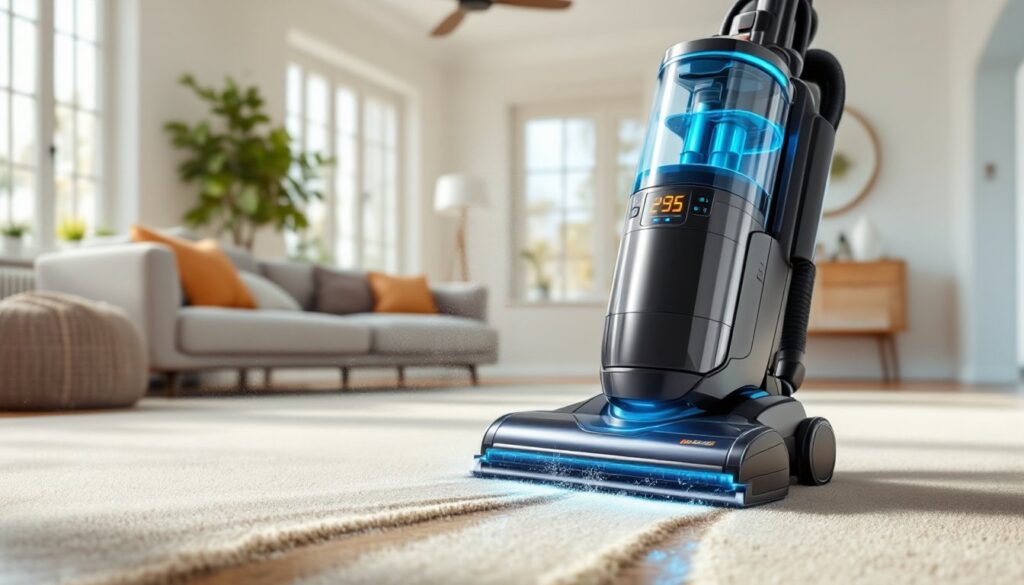
Between professional cleanings, your daily and weekly habits make the biggest difference. Start with a solid vacuum. Not all vacuums are created equal, upright models with beater bars work best on most residential carpet, while canister vacuums excel on low-pile or delicate fibers. Always vacuum in multiple directions to lift fibers and pull embedded soil out of the pile.
Vacuum with slow, overlapping passes. Rushing over carpet in one direction misses debris trapped sideways in the fibers. A standard vacuum covers about 300 square feet per hour at a comfortable pace, so don’t skimp on time.
For spills, the clock is your enemy. Address fresh spills within minutes, dried stains are exponentially harder to remove. Blot (don’t rub) with a clean, white cloth. Use a spray bottle with cool water for most spills, then blot again. For stubborn spots, a solution of one part white vinegar to three parts water works on most carpet types, but test it on an inconspicuous corner first.
Incorporate monthly cleaning hacks into your routine for broader benefits. Monthly maintenance includes vacuuming under furniture (move it aside or use a furniture slider), rotating furniture to change traffic patterns, and refreshing high-wear areas with a carpet brush or rake to restore pile texture.
Keep a carpet cleaning kit handy: white cloths, spray bottle, mild dish soap, white vinegar, and a stiff brush. Having these items ready means you’ll actually treat stains immediately instead of procrastinating until they set permanently.
Deep Cleaning Your Carpet: Professional vs. DIY Methods
Deep cleaning removes embedded soil and revitalizes carpet fibers in ways vacuuming alone cannot. You’ve got two main options: do it yourself with rental equipment or hire professionals.
DIY Deep Cleaning
Renting a carpet cleaning machine (hot water extraction or steam cleaner) from a home improvement store costs $40–$75 per day. Popular models include Rug Doctor or similar brands. Hot water extraction works by spraying hot water and cleaning solution into the carpet, then immediately extracting the dirty water back out. It’s effective on most residential carpet, and you control the schedule.
The catch: you’re doing the physical work yourself, and you need to rent equipment each time. A rented machine typically has less extraction power than commercial equipment, so carpets take longer to dry (12–24 hours vs. 4–8 hours professionally). Incorrect water temperature or solution mixing can leave residue that resoils your carpet faster.
If you go this route, measure your carpet beforehand (length × width = square footage), and rent the largest machine available. Use cool-to-warm water, not hot, extreme heat can damage some carpet types. Follow the manufacturer’s mixing ratios exactly: using too much soap is a common amateur mistake that leaves sticky residue.
Professional Deep Cleaning
Hiring a professional carpet cleaner costs $100–$300 depending on carpet size, soil level, and your region. Professionals use truck-mounted hot water extraction systems with industrial suction power, which dry your carpet much faster and remove more embedded soil. They know how to handle specialty fibers (wool, sisal, or delicate weaves) without damage, and they can treat stains with chemistry that defeats DIY solutions.
The major advantage: results you can’t replicate alone. A professional can address pet odor, mold concerns, and deep-set stains. They also carry warranties on their work. Many recommend professional cleaning every 12–18 months: following that schedule can actually extend your carpet’s life by 5–10 years.
When to Hire Professional Cleaners
Certain situations require professional intervention. If your carpet has visible stains, odor, or matting, DIY methods often make things worse before they get better. Pet accidents, rust stains, coffee, and wine need expert treatment. Likewise, if you have wool, silk, or other luxury fiber carpet, a mistake can cost thousands in replacement.
If you’ve never deep cleaned before, consider one professional cleaning as a baseline. Watch what the professionals do, ask questions about their process, and decide if you can replicate it with rentals or if the convenience and results justify the cost long-term. References from Good Housekeeping and The Spruce often feature tested carpet cleaning products and professional service recommendations if you need guidance.
For most homeowners, a hybrid approach works best: vacuum religiously (twice weekly in traffic zones), spot-clean immediately, and hire professionals annually. This protects your investment without excessive DIY hassle or constant professional bills.
Conclusion
A carpet cleaning schedule isn’t complicated, it’s just consistency. Vacuum twice weekly in high-traffic areas, address spills within 24 hours, and book professional cleaning once a year. This simple rhythm keeps carpets looking fresh and lasting longer. Your wallet and your floors will thank you.