Drain cleaning is a straightforward maintenance task that keeps water flowing smoothly through your home’s plumbing system. Whether you’re dealing with a slow-draining sink or a completely backed-up toilet, understanding the basics of drain cleaning helps you decide when to grab a plunger, mix up a natural solution, or call a professional. Most clogs are preventable, and knowing your options, from DIY methods to professional services, saves you time, money, and the headache of standing water backing up into your bathroom or kitchen.
Table of Contents
ToggleKey Takeaways
- Drain cleaning removes blockages like hair, grease, and mineral deposits that accumulate in pipes over time, restoring proper water flow through your plumbing system.
- DIY methods like plunging, drain snakes, and baking soda-vinegar solutions resolve about 80% of single-fixture clogs without chemicals or professional costs.
- Professional drain cleaning services use motorized machines and hydro-jetting to tackle stubborn clogs, tree roots, and main sewer line issues that DIY approaches cannot resolve.
- Install drain screens, avoid pouring grease down drains, and flush drains monthly to prevent clogs before they start and protect your plumbing investment.
- Call a professional plumber if DIY efforts fail after multiple attempts, water backs up from multiple fixtures, or you suspect tree root intrusion in your main line.
Understanding Drain Cleaning Basics
Drain cleaning refers to the process of removing blockages or buildup from your home’s drain pipes and sewer lines. Over time, hair, soap scum, grease, food particles, and mineral deposits accumulate inside pipes, slowing water drainage and creating ideal conditions for odors and bacteria growth.
Your plumbing system works by gravity and slight slope (typically 1/4 inch per foot) to move waste and water away from fixtures toward the main sewer line. When buildup occurs, water backs up, and problems cascade from there. Drain cleaning restores that flow, whether the blockage is in a single fixture’s P-trap (the U-shaped pipe under a sink) or deeper in the main line.
There’s a difference between routine maintenance cleaning and emergency clearing. Preventive cleaning happens before you notice a problem, catching slow drains early prevents full backups. Emergency cleaning tackles a clogged drain that’s already refusing water. Both protect your plumbing investment and prevent costly damage like burst pipes or sewage backups into your home.
Common Causes of Clogged Drains
Understanding what causes clogs helps you avoid them and know when a simple plunge will work versus when you need something stronger.
Hair is the leading culprit in bathroom sinks, showers, and tubs. It combines with soap residue to form tangles that catch other debris and gradually choke water flow. Grease and soap are the kitchen’s main villains. Cooking oil solidifies as it cools inside cold pipes, and bar soap’s residue sticks to pipe walls, narrowing the passageway. Food scraps shouldn’t go down the drain at all, but disposal misuse sends particles into pipes where they accumulate and rot.
Hard water mineral deposits build up slowly over months or years, especially in older homes. These deposits restrict flow and create rough surfaces where other debris clings. Tree roots invade older sewer lines or cracked pipes, growing into the line and trapping debris. Foreign objects, toys, wipes (even “flushable” ones), dental floss, and feminine hygiene products, lodge in pipes and create blockages.
The P-trap is a common catch point for hair and small objects because water slows at the bend. Main sewer line clogs often involve a combination of factors: years of grease buildup, mineral deposits, and hair matted into stubborn messes.
DIY Drain Cleaning Methods You Can Try
Before calling a pro, try these proven DIY approaches. Success often depends on the blockage’s location and composition.
Plungers and Manual Techniques
A standard cup plunger works best on sinks and shallow clogs. Fill the sink with a few inches of water to create a seal, cover the overflow hole (if present) with a wet cloth, and plunge vigorously 15–20 times. The pressure difference breaks up debris and can dislodge hair clogs near the drain opening.
A flange plunger (the kind with an extra rubber cup extending from the bottom) is designed for toilets and creates a better seal in the bowl. Use 15–20 firm strokes, then check if water drains. For sinks and tubs with a pop-up drain, ensure the stopper is fully closed before plunging.
A drain snake (or hand auger) is a flexible coil of steel wire with a handle you crank to push through pipes. Feed it down the drain slowly, turning the handle when it hits resistance. You’re either breaking up the clog or catching hair to pull back out. A basic 25-foot snake costs $15–$30 and works on clogs within 20 feet of the fixture. For tougher clogs, rent a motorized drain machine ($40–$80 per day): the spinning action is more aggressive but requires caution to avoid damaging pipes. These methods are mechanical and non-toxic, making them ideal first steps.
Chemical and Natural Solutions
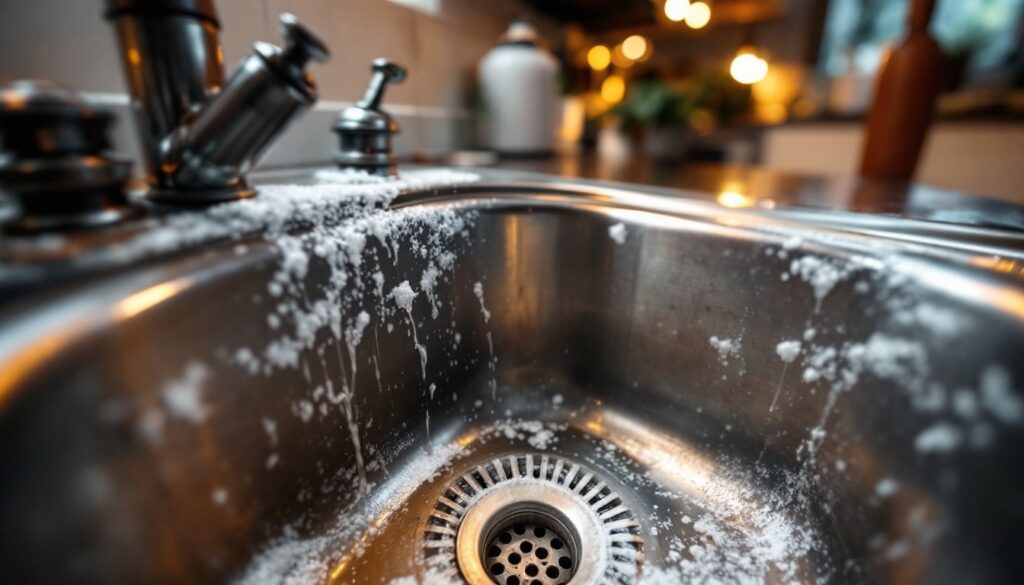
Baking soda and vinegar is a gentler, chemical-free approach. Pour 1/2 cup of baking soda down the drain, followed by 1 cup of white vinegar. The fizzing action helps break up organic debris. Let it sit for 30 minutes, then flush with hot water. It’s safe for all pipe types and won’t harm septic systems. Repeat monthly as preventive maintenance.
Commercial drain cleaners use caustic or enzymatic chemistry. Caustic cleaners (sodium hydroxide-based) generate heat and dissolve organic matter quickly, effective on tough clogs but harsh on skin, eyes, and PVC pipes if overused. Always follow label directions, wear nitrile gloves and eye protection, and ensure good ventilation. Enzymatic cleaners are gentler, using biological enzymes to break down hair and grease over several hours. They’re safer for the user and pipes but slower and less effective on severe clogs.
Hot water flushes work on grease clogs. Boil a kettle and carefully pour it slowly down the drain, the heat softens solidified grease so it flows away. This is free and safe but won’t tackle hair or mineral buildup.
According to how-to resources on drain clearing, combining a plunger with manual techniques often resolves 80% of single-fixture clogs without chemicals.
Professional Drain Cleaning Services
When DIY methods fail or the clog is deep in the main line, a licensed plumber brings professional equipment and expertise.
Motorized drain machines are standard in pro shops. They’re far more powerful than rentals, with spinning cables that cut through tree roots, mineral buildup, and matted hair. Plumbers can also use hydro-jetting, blasting water at 3,000+ PSI to scour pipe walls and clear even stubborn blockages. This method is highly effective but risks damaging older, fragile pipes, so a plumber inspects first.
Video camera inspection lets plumbers see exactly where the clog is and what’s causing it. A small camera feeds through the drain, and the plumber watches the footage to diagnose the problem, critical if you suspect tree roots, collapsed sections, or foreign objects.
Professional cleaning costs vary by location, severity, and equipment used. A simple clog-clearing might run $150–$300: main line work or hydro-jetting could reach $500–$1,500. Comparing professional drain cleaning options helps you understand what equipment and methods are available. Homeowners should get an estimate and ask if a permit is required, some jurisdictions require permits for main sewer line work.
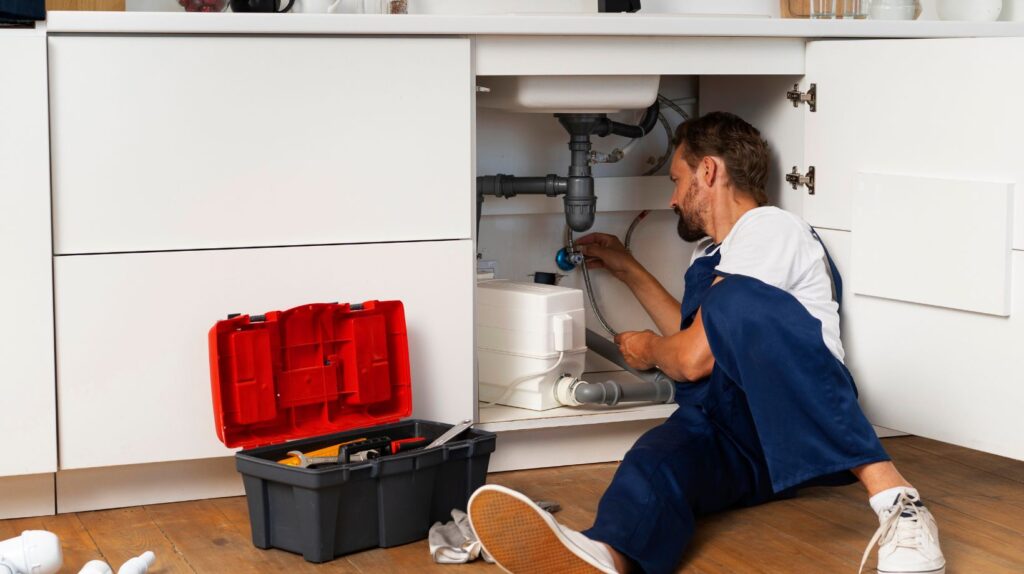
You’ll want a professional if DIY efforts fail after 2–3 attempts, if you suspect tree roots, if water is backing up from multiple fixtures, or if you’re dealing with a basement toilet or floor drain (signs of a serious main line issue). A licensed plumber also handles permit requirements and warranty work, which is peace of mind for a bigger problem.
Preventing Future Drain Problems
An ounce of prevention saves you from future emergencies.
Install drain screens or strainers in every sink, tub, and shower. These catch hair and food scraps before they enter the pipe. Empty them weekly and rinse debris into the trash, not down the drain.
Don’t pour grease down the drain. Let cooking oil cool in a container, then throw it away. Wipe greasy pans with paper towels before washing. Over time, even small amounts of grease solidify and choke pipes.
Use the garbage disposal wisely. Don’t treat it as a trash can. Avoid fibrous vegetables, pasta, rice, and starchy foods. Run cold water while operating and for 30 seconds after. Hot water melts grease, which can resolidify in cold pipes downstream.
Flush drains monthly with hot water or the baking soda and vinegar method. This prevents slow drains from becoming complete blockages and is especially important in homes with hard water.
Be careful what goes down the toilet. Only human waste and toilet paper belong there. Wipes (even “flushable” ones), dental floss, hair, and feminine hygiene products clog both your drain and municipal treatment systems. According to simple drain maintenance tips, proper habits eliminate most clogs before they start.
Know where your main shutoff valve is. If a serious backup happens, you may need to shut off water to prevent sewage from backing further into your home while waiting for a plumber.
Have older plumbing inspected. Cast iron drains can corrode: PVC can crack. A camera inspection costs $200–$400 but reveals problems before they become emergencies. If you’re buying an older home, a sewer line inspection is worth the investment.