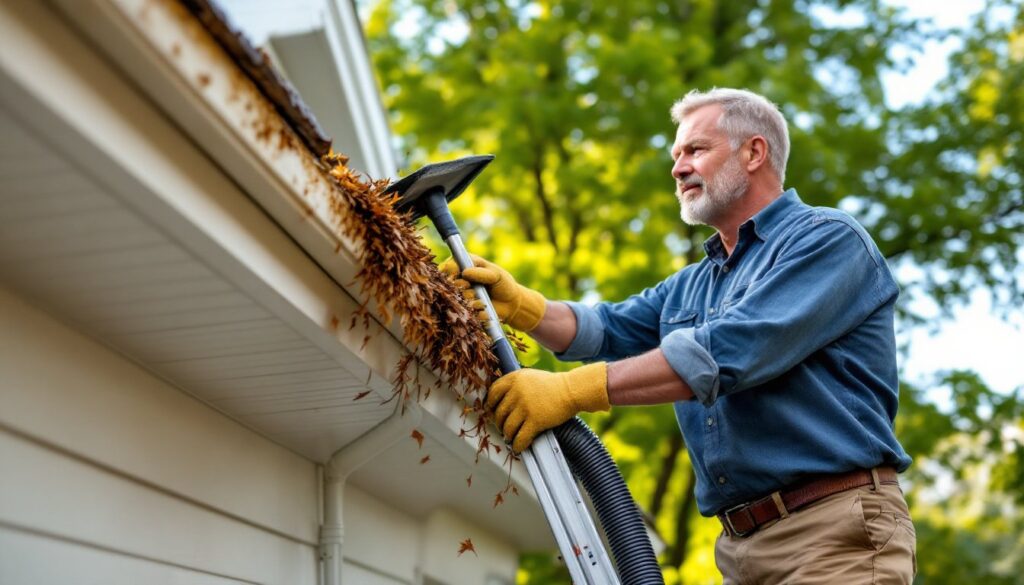
Your home’s storm drain system works quietly behind the scenes, carrying rainwater away from your foundation and landscaping. But when debris accumulates, roots intrude, or sediment clogs the line, that invisible helper becomes an invisible problem, until water backs up into your yard or basement. Storm drain cleaning isn’t glamorous, but it’s essential maintenance. Whether you’re dealing with puddling water after a rainfall or just want to stay ahead of trouble, understanding when to call in a storm drain cleaning company can save you thousands in water damage repairs. This guide walks you through what’s involved, when to seek professional help, and what to expect from the process.
Table of Contents
ToggleKey Takeaways
- A professional storm drain cleaning company uses video inspection to diagnose blockages, then removes debris using hydro-jetting, bucket augering, or suction methods to prevent recurring clogs.
- Watch for warning signs like standing water after rain, foul odors near catch basins, and insect infestations that indicate your storm drain needs professional cleaning.
- While DIY cleanup works for surface debris, hiring a licensed and insured contractor for underground lines saves time, prevents costly pipe damage, and ensures the problem stays fixed.
- Storm drain cleaning typically costs $300–$1,500 depending on severity, with basic services taking 1–3 hours; get multiple quotes and verify insurance and local code compliance before hiring.
- Choose a storm drain cleaning service that provides video inspection, offers written estimates with itemized services, includes follow-up confirmation, and can explain findings clearly to ensure quality work.
What Storm Drain Cleaning Involves
Storm drain cleaning isn’t a one-size-fits-all job. It typically starts with a video inspection, a small camera on a flexible cable runs through the line to identify blockages, cracks, root intrusion, or sediment buildup. This diagnostic step matters because it tells the technician exactly what they’re dealing with.
Once the problem’s located, the contractor removes debris using one of several methods. Hydro-jetting uses high-pressure water (typically 3,000–4,000 PSI) to blast away sediment, grease, and tree roots. It’s aggressive and effective on stubborn clogs. Bucket augering involves a rotating spiral cable that breaks up material and pulls it out. For lighter debris, a simple suction truck (sometimes called a “honey wagon”) vacuums out loose material. The technician selects the method based on what they found during inspection and the line’s age and material.
After cleaning, many professionals run a follow-up camera to confirm the line flows freely. If they spot cracks or persistent root problems, they’ll discuss repair options, which might range from spot repairs to replacement. This thorough approach prevents the cleaned line from clogging again in three months.
Signs Your Storm Drain Needs Professional Cleaning
Knowing when to act saves headaches. Several warning signs tell you it’s time to call a professional.
Water Pooling and Slow Drainage
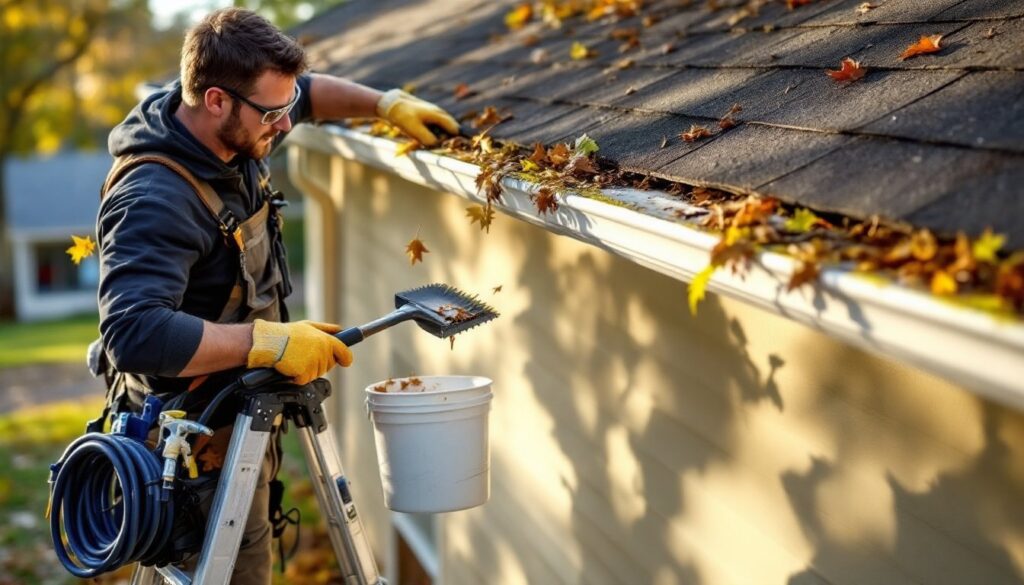
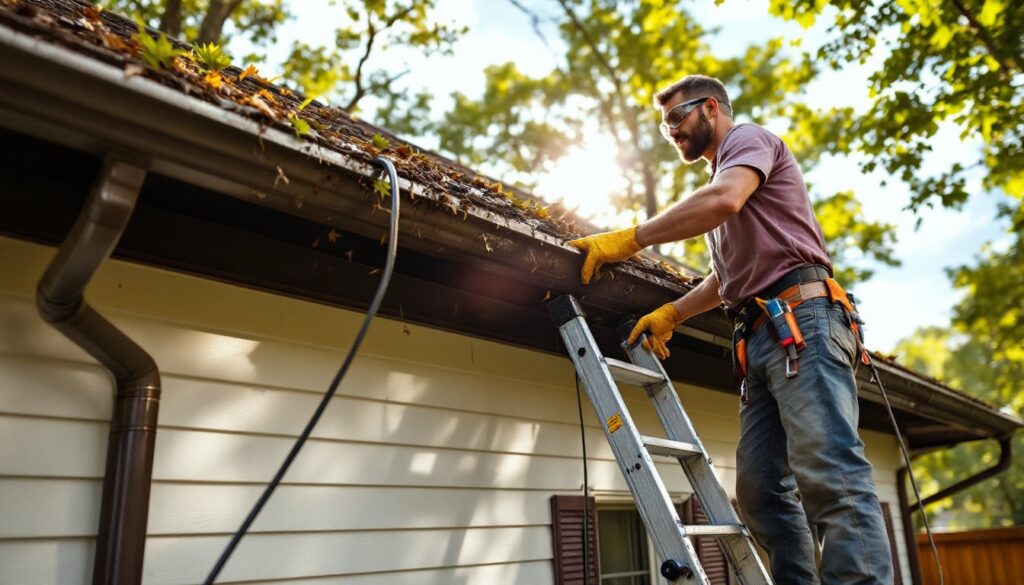
After a moderate rain, water shouldn’t linger in your yard for hours. If you notice standing water near foundation downspouts, in low spots of your lawn, or around a catch basin, the underground line likely has a blockage. Similarly, if water drains slowly from low-lying areas or if downspout cleaning hasn’t solved surface pooling, the problem’s probably downstream in the storm drain itself. You might hear gurgles from gutters during heavy rain, that’s air trapped behind a clog trying to escape.
Foul Odors and Visible Debris
Storm drains shouldn’t smell. If you notice rotten, sulfurous, or sewer-like odors near catch basins or low points, decomposing leaves and organics are likely trapped in the line. You might also spot algae growth, soggy patches, or debris scattered around a catch basin inlet. Insects, especially mosquitoes, breed in standing water, so an uptick in mosquitoes after rain is another subtle hint. These signs all point to poor drainage and organic buildup.
DIY vs. Professional Storm Drain Cleaning
It’s tempting to rent equipment and attempt this yourself. Here’s the honest truth: homeowners can clear surface debris from catch basins and downspouts, but the main underground line is a different beast.
DIY pluses: You save labor cost and can tackle minor blockages (flushing leaves from an accessible inlet). Minuses: You lack specialized cameras, high-pressure equipment, and the expertise to diagnose problems safely. Renting a jetter costs $100–$300 per day, and if you miscalibrate pressure, you’ll damage PVC pipe, the standard material in residential storm drains. You also can’t see what you’re blasting, so you might miss the root of the issue or make it worse. Working in confined spaces or near traffic carries safety risks homeowners often underestimate.
Professional advantages: Licensed contractors carry insurance, use diagnostic equipment, know local drainage patterns, and can spot repairs you’d miss. They complete the job in hours, not a weekend of learning curves. The cost difference usually evens out when you factor in rental fees, potential damage, and the risk of doing it twice.
Bottom line: If the clog is within reach (gutter or downspout), DIY is fine. For underground main lines, hire a professional. Services like those found on HomeAdvisor can connect you with vetted contractors in your area.
Cost and Timeline Expectations
Storm drain cleaning costs vary widely by region, line length, and problem severity. A straightforward cleaning of an accessible 50–100 foot residential line typically runs $300–$800. If the contractor finds tree roots, major clogs, or the line requires hydro-jetting, expect $800–$1,500. Diagnosis (camera inspection alone) costs $150–$300 but gets credited toward cleaning if you proceed.
Timeline depends on setup. Most basic cleanings take 1–3 hours. If roots are blocking the line or the system requires multiple passes, add time. Winter or wet seasons might delay appointments. Get a written estimate before work starts: reputable contractors itemize camera work, cleaning method, and any repair recommendations separately.
Funding advice: Check whether your municipality covers storm drains (many do). Some homeowners insurance policies cover damage from backed-up storm drains, though not routine maintenance. Comparing quotes across platforms like Angi reveals regional pricing and helps you spot outliers.
How to Choose a Storm Drain Cleaning Service
Not all drain cleaners are equal. Start by vetting local contractors through verified review sites and referrals. Confirm they’re licensed and insured (ask for proof). A legitimate company carries liability insurance and workers’ compensation.
Experience matters. Contractors who specialize in storm systems (not just sewer lines) understand residential drainage pitfalls and local code quirks. Ask whether they provide video inspections and can explain findings in plain terms. A contractor who rushes you past the diagnosis step is a red flag, the camera inspection is your roadmap.
Get multiple quotes (three is standard). Cheaper isn’t always better: the lowest bid might skip preparation, use lower pressure, or rush the job. Look for contractors who include follow-up video confirmation and warranty their work. Before hiring, check local building codes, some jurisdictions require permits for major storm drain work, and a professional should know this.
References and online reviews help. Platforms like Bob Vila often feature contractor guides that highlight what to look for. Read feedback on punctuality, communication, and whether the problem stayed fixed. Also ask the contractor about maintenance, do they recommend annual inspections or cleaning on a set schedule based on your area’s climate and vegetation?
When you’ve found the cheapest drain cleaning service that still checks these boxes, you’ve found a winner.