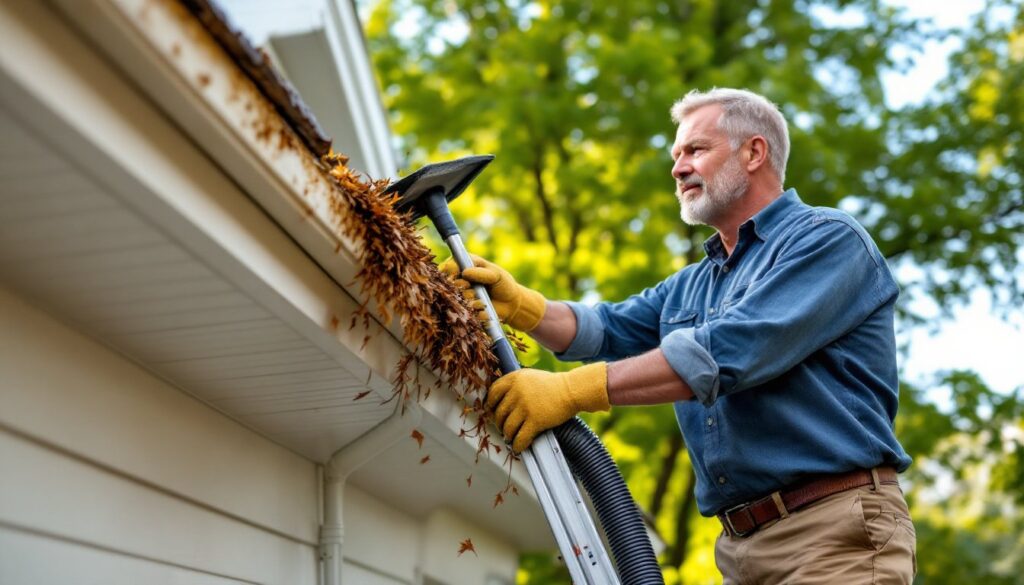
Austin’s hot, dusty climate and frequent spring storms mean your gutters work overtime. Clogged gutters can’t drain water properly, leading to roof damage, foundation issues, and landscape erosion, problems that get expensive fast. Whether you’re tackling gutter cleaning as a DIY project or deciding when to call in a pro, this guide walks you through what matters: timing, tools, safety, and honest talk about when a professional makes sense. Clean gutters protect your home’s structure and curb appeal, so let’s break down how to keep yours in shape.
Table of Contents
ToggleKey Takeaways
- Austin gutter cleaning is essential twice yearly due to the city’s hot, dusty climate, oak pollen, and spring storms that cause rapid debris accumulation and water damage to roofs and foundations.
- Clean your gutters in late spring (May–June) and fall (October–November), or after heavy storms, choosing dry mornings for better safety and visibility when tackling DIY Austin gutter cleaning.
- Essential DIY tools include a sturdy extension ladder, hand scoop, gloves, shop vacuum, and safety gear, but always prioritize ladder safety by repositioning every few feet and avoiding sideways leaning.
- Professional gutter cleaning in Austin costs $100–300 per service and is worth the investment for two-story homes, severe clogs, or anyone uncomfortable with heights to prevent costly falls and water damage.
- Regular gutter maintenance prevents expensive repairs: clogged gutters cause roof rot, foundation damage, and mold, while clean gutters extend their lifespan from 15–20 to 25–30 years.
Why Gutter Cleaning Matters in Austin
Austin’s environment creates specific gutter challenges. The city experiences intense sun, occasional ice storms, and heavy rain during spring and fall. Combine that with debris from oak trees, Austin’s famous “pollen apocalypse”, and your gutters accumulate leaves, twigs, roof granules, and sediment faster than in milder climates.
When gutters clog, water backs up behind the fascia board and under your roofline. This trapped moisture causes wood rot, undermines your roof’s structural integrity, and can leak into your attic. Overflowing gutters also direct water down your home’s exterior walls, staining siding and eroding landscaping. Over time, standing water in gutters rusts metal gutters and shortens their lifespan to 15–20 years instead of 25–30.
Your foundation takes a hit too. Water pooling near the foundation can seep into basement walls and crawlspaces, inviting mold and compromising structural stability. Regular gutter cleaning costs pennies compared to foundation repair or roof replacement.
Best Time of Year to Clean Your Austin Gutters
Austin’s gutter calendar is different from colder regions. Most of the city experiences two peak debris seasons: late spring (May–June, after the oak pollen storm) and fall (October–November, when trees drop leaves). Winter is mild, so debris accumulates year-round more than it would in northern climates.
Ideally, clean your gutters at least twice yearly, once after spring storms and again before fall rain season. If you have large oak trees overhead or live in a wooded area, add a third cleaning in mid-summer when dust and small debris settle. After heavy storms, check your gutters within a day or two: the weight of water-saturated debris can damage the gutter system or downspouts.
Schedule cleaning on a dry, clear morning. You’ll have better footing on the ladder, visibility to spot problem areas, and the ability to test water flow immediately. Avoid cleaning during or right after rain, when gutters are slippery and you can’t see blockages clearly.
DIY Gutter Cleaning: Tools and Safety Tips
Essential Tools and Equipment
You don’t need expensive gear, but the right tools make the job safer and faster. Start with a sturdy aluminum or fiberglass extension ladder, at least 20 feet for single-story homes, 28+ feet for two-story. Avoid wooden ladders: they’re heavier and flex too much at height.
Bring a 5-gallon bucket (with a hook to hang from the ladder rung), heavy-duty work gloves (leather or nitrile-coated), and a hand scoop or small shovel to pull debris from the gutter. A wet/dry shop vacuum with a gutter-cleaning attachment cuts time significantly and keeps you from climbing up and down repeatedly. If you go this route, position the vacuum at ground level and run the hose up to the gutter.
For downspout clogs, a plumbing snake or drain auger ($15–40) clears blockages better than poking with a stick. A garden hose on a spray nozzle flushes sediment and tests water flow. Finally, safety glasses and dust mask protect against debris and roof granules, don’t skip these.
Safety Precautions Before You Start
Ladder accidents are the number-one DIY injury. Never lean sideways beyond the ladder’s side rails. Reposition the ladder every few feet instead: it takes 30 seconds and prevents falls. Make sure the ladder is set on level ground, not on mulch, gravel, or uneven concrete. Extend the ladder at least 3 feet above the roofline so you can grip the upper rails safely and have leverage when pulling yourself up.
Wear long sleeves and gloves to protect against sharp roof shingles, metal gutter edges, and hidden nails. Roof debris contains bacteria and bird droppings: a fitted dust mask is non-negotiable. Never work during or immediately after rain, and avoid windy days when the ladder can shift.
If your home is two stories, a clogged downspout 30 feet up, or you have mobility issues, hire a professional. It’s not worth a trip to the ER. Most Austin gutter companies charge $100–300 for a standard cleaning, a small price for staying upright.
Step-by-Step Guide to Cleaning Your Gutters
1. Set up your ladder safely. Position it directly under the section you’ll start on, making sure the base is 3–4 feet away from the wall at a 75-degree angle. Have a helper hold the base or lock it in place if you’re working alone. Wear your gloves, glasses, and mask before climbing.
2. Remove large debris by hand. Use your hand scoop or small shovel to pull out leaves, twigs, and sediment from the gutter. Dump it into the 5-gallon bucket hanging from your ladder. Work systematically from one end of the gutter to the other, section by section.
3. Flush the gutter with water. Once the bulk is removed, use your garden hose on a medium spray to rinse out fine sediment and test water flow. Watch how the water moves, it should flow quickly toward the downspout. If it pools or backs up, you likely have a downspout clog.
4. Clear the downspout. Aim the hose directly into the downspout opening from above and let the pressure dislodge blockages. If that doesn’t work, disconnect the downspout (usually held by 1–2 screws or snap-lock brackets) and snake it with a plumbing auger from the top. Severe clogs may require a professional to avoid damaging the downspout.
5. Inspect for damage. While you’re up there, look for rust, sagging sections, or loose fasteners. Small holes can be sealed with gutter sealant, but large rust-through areas or sagging gutters indicate replacement is necessary, a job for a licensed contractor.
6. Retest water flow and climb down. Run the hose along the entire length one more time to confirm water drains cleanly. Once you’re satisfied, carefully descend the ladder. Set it down, remove your PPE, and give yourself a pat on the back.
When to Call a Professional Gutter Cleaner
Not every homeowner should be climbing a ladder 30 feet in the air. If any of these apply, hire a professional:
• Two-story or higher home. Working at that height compounds fall risk. Professional cleaners have insurance and proper equipment.
• Mobility issues, age, or balance concerns. Safety comes first: don’t prove your courage on a ladder.
• Severe clogs or downspout damage. If the downspout is cracked, rusted through, or blocked with compacted sediment, a pro can handle it without damaging the system.
• You’re uncomfortable with heights. Period. No shame in it.
• Gutters haven’t been cleaned in years. Heavily clogged systems require more time and care to avoid damage.
According to recent gutter cleaning cost data for Austin, professional cleaning runs $100–300 for a typical home, depending on gutter length and debris severity. Many companies offer seasonal packages, two or three cleanings per year, at a discount. Checking HomeAdvisor or ImproveNet can help you compare local contractors and read customer reviews.
If you’re planning other roof or gutter work, like installing gutter guards, repairing downspouts, or replacing damaged sections, a professional can coordinate everything at once. It’s more efficient than DIY piecemeal fixes. When selecting a contractor, confirm they’re insured, ask for references, and verify they’ll remove and dispose of debris (not just pile it on your property). A reputable gutter company should inspect your downspout cleaning work and address any underlying issues discovered during the job.
For Austin homeowners with complex roof lines, multiple stories, or heavy tree coverage, the modest professional fee beats a fall or water damage that costs thousands. Know your limits.